
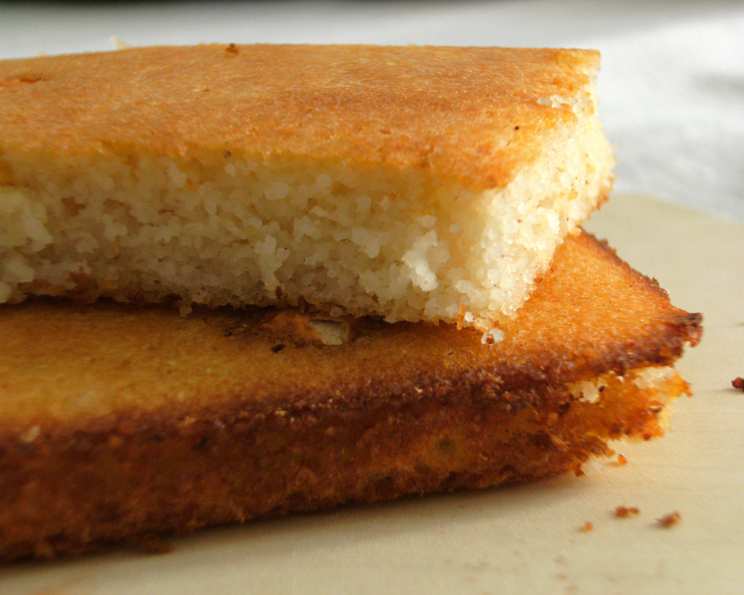
Old Fashioned Southern Cornbread: A Taste of Home
There are certain flavors that instantly transport me back to my grandmother’s kitchen, the air thick with the comforting aroma of baking. Old-fashioned Southern cornbread is one of those culinary anchors for me. I can still picture her, a worn wooden spoon in hand, patiently stirring a golden batter in a cast-iron skillet that had seen more birthdays than I’d had. It wasn’t just food; it was a ritual, a testament to simple ingredients transformed into something utterly delicious, perfect for sopping up the last vestiges of gumbo or standing proudly alongside a platter of slow-cooked greens.
Recipe Overview
- Prep Time: 15 minutes
- Cook Time: 20 minutes
- Total Time: 35 minutes
- Servings: 8
- Yield: 1 pie
- Dietary Type: Vegetarian
Ingredients
This recipe, a gem from the esteemed River Road Recipes collection by the Junior League of Baton Rouge, relies on a handful of pantry staples to create that quintessential Southern flavor. It’s a testament to how humble ingredients can create something truly magical.
- 1 cup cornmeal
- 1/2 cup all-purpose flour
- 1 teaspoon salt
- 1 teaspoon sugar
- 1/2 cup milk (whole milk will yield the richest result)
- 1/2 cup boiling water
- 3 tablespoons corn oil
- 1 large egg
- 1 1/2 teaspoons baking powder
Equipment Needed
To bring this classic cornbread to life, you’ll need a few essential kitchen tools:
- A mixing bowl for combining dry and wet ingredients.
- A whisk or spoon for stirring.
- A measuring cup and spoons for accurate ingredient measurements.
- An 8-inch round or square baking pan, or ideally, a cast-iron skillet (for that authentic Southern char and even cooking).
- An oven for baking.
- A wire rack for cooling.
Instructions
The beauty of this cornbread lies in its simplicity, a method passed down through generations. Follow these steps closely, and you’ll be rewarded with a golden, tender, and flavorful cornbread.
-
Preheat and Prepare: Begin by greasing an 8-inch round or square baking pan. For an extra layer of authenticity and to achieve that coveted crispy crust, a cast-iron skillet is the preferred choice. Place your chosen pan in the oven and preheat your oven to 425°F (218°C). Allowing the pan to preheat with the oven is a crucial step for achieving a perfect texture.
-
Combine Dry Ingredients: In your mixing bowl, combine the cornmeal, all-purpose flour, salt, and sugar. Whisk these dry ingredients together to ensure they are thoroughly mixed.
-
Incorporate the Oil: Add the corn oil to the dry ingredients. Use a spoon and employ a cutting motion to thoroughly blend the oil with the other ingredients. This step helps to create a tender crumb.
-
Add Boiling Water: Carefully pour the boiling water into the mixture. Mix well until a smooth batter begins to form. The hot water helps to “cook” the cornmeal slightly, contributing to a more tender texture.
-
Incorporate Milk and Cool: Now, add the cold milk to the batter and stir gently. Allow the batter to stand for a few minutes until it has cooled to room temperature. This is important to prevent the egg from cooking prematurely when it’s added.
-
Add Egg and Baking Powder: Once the batter has cooled, mix in the egg. Then, add the baking powder. Beat briskly for about 30 seconds. This vigorous beating helps to activate the baking powder and ensures a light, airy texture.
-
Bake to Golden Perfection: Carefully remove the preheated pan from the oven. Pour the cornbread batter into the hot pan. Bake for approximately 20 minutes, or until the cornbread is lightly browned and a toothpick inserted into the center comes out clean.
Expert Tips & Tricks
As a chef, I’ve learned that even the simplest recipes can benefit from a few insider secrets. While this cornbread is wonderfully straightforward, a few nuances can elevate it from good to spectacular.
- The Cast-Iron Advantage: If you have a cast-iron skillet, use it! Preheating the skillet is key. The cast iron gets incredibly hot and distributes heat evenly, creating a wonderfully crisp bottom and sides that simply can’t be replicated in a standard baking pan. Make sure to grease it well, even if it’s seasoned.
- Don’t Overmix: While we beat briskly after adding the egg and baking powder, resist the urge to overmix the batter at any other stage. Overmixing can develop the gluten in the flour, leading to a tougher cornbread. A few lumps are perfectly fine.
- The Boiling Water Nuance: The boiling water is not just a suggestion; it’s essential. It helps to hydrate the cornmeal, softening its texture and preventing that gritty feel that can sometimes plague less expertly made cornbread.
- Testing for Doneness: While 20 minutes is a good guideline, oven temperatures can vary. Trust your senses and the toothpick test. A golden-brown crust is a good visual cue, but a clean toothpick inserted into the center is the definitive sign that your cornbread is ready.
- Room Temperature Batter: Letting the batter cool to room temperature after adding the milk and before the egg is vital. Pouring a hot batter over a hot egg can scramble it, leading to an undesirable texture. Patience here pays off.
Serving & Storage Suggestions
Old-fashioned Southern cornbread is incredibly versatile. It’s the perfect accompaniment to a hearty bowl of gumbo, a classic plate of red beans and rice, or any robust Southern meal. Serve it warm, straight from the oven, perhaps with a generous smear of butter. It’s also delicious crumbled into buttermilk or served alongside barbecue.
Leftovers can be stored at room temperature in an airtight container for up to two days, though it’s best enjoyed fresh. If you need to store it for longer, refrigerate it in an airtight container for up to four days. To reheat, gently warm it in a 300°F (150°C) oven for about 10-15 minutes, or until heated through. You can also reheat individual slices in a toaster oven or microwave, though the oven method generally yields a better texture.
Nutritional Information
Here’s an estimated nutritional breakdown for a single serving of this classic cornbread. Please note that these values are approximate and can vary based on specific ingredients and brands used.
| Nutrient | Amount per Serving | % Daily Value |
|---|---|---|
| Calories | 119.7 kcal | |
| Calories from Fat | 34.7 kcal | |
| Total Fat | 3.5 g | 5% |
| Saturated Fat | 0.8 g | 4% |
| Cholesterol | 25.4 mg | 8% |
| Sodium | 381.1 mg | 15% |
| Total Carbohydrate | 19.2 g | 6% |
| Dietary Fiber | 1.3 g | 5% |
| Sugars | 0.7 g | 2% |
| Protein | 3.3 g | 6% |
Variations & Substitutions
While this recipe is a beloved classic for a reason, there are always ways to put your own spin on it.
- For a Sweet Cornbread: If you prefer a sweeter cornbread, you can slightly increase the sugar to 2 teaspoons.
- Buttermilk Power: For an even more tender and slightly tangy cornbread, you can substitute the milk with buttermilk. If you do this, you may want to slightly reduce the baking powder to 1 teaspoon, as buttermilk is acidic and will react with the baking powder.
- Add-Ins: For a savory twist, consider adding 1/2 cup of shredded cheddar cheese, some chopped jalapeños (seeds removed for less heat), or even some cooked bacon crumbles to the batter before baking.
- Cornmeal Types: While fine or medium-grind cornmeal is typical, you can experiment with coarser grinds for a more rustic texture. Just be aware that coarser grinds might require a slightly longer baking time.
FAQs
Q: Why is my cornbread dry?
A: Dry cornbread often results from overbaking or using too much flour relative to the wet ingredients. Ensure you’re not baking it longer than necessary and that your measurements are accurate.
Q: Can I use self-rising flour instead of all-purpose flour and baking powder?
A: While you could, it’s generally not recommended for this specific recipe. Self-rising flour already contains leavening agents, and this recipe relies on a precise balance of ingredients, including the separate addition of baking powder, to achieve its intended texture.
Q: What’s the best way to get a crispy crust?
A: Preheating your baking pan, especially a cast-iron skillet, is the most effective way to achieve a wonderfully crispy crust. Ensure the pan is hot when the batter is added.
Q: Why did my cornbread turn out dense?
A: A dense cornbread can be caused by overmixing the batter, which develops the gluten too much, or by not using enough leavening. Ensure you’re not overworking the batter after adding the flour and that your baking powder is fresh.
Q: Is it okay to use a different type of oil?
A: While corn oil is traditional, other neutral-flavored oils like vegetable oil or canola oil can be substituted. Avoid strongly flavored oils like olive oil, as they can overpower the delicate cornbread flavor.
Final Thoughts
This Old Fashioned Southern Cornbread is more than just a recipe; it’s a warm embrace, a connection to heritage, and a testament to the power of simple, honest cooking. It’s the kind of bread that asks for nothing more than to be enjoyed with good company and perhaps a heaping spoonful of your favorite comfort food. I encourage you to gather your ingredients, embrace the simplicity, and bake a batch. Share it with loved ones, savor the aroma as it fills your home, and I have no doubt you’ll find a piece of Southern tradition in every golden crumb.