
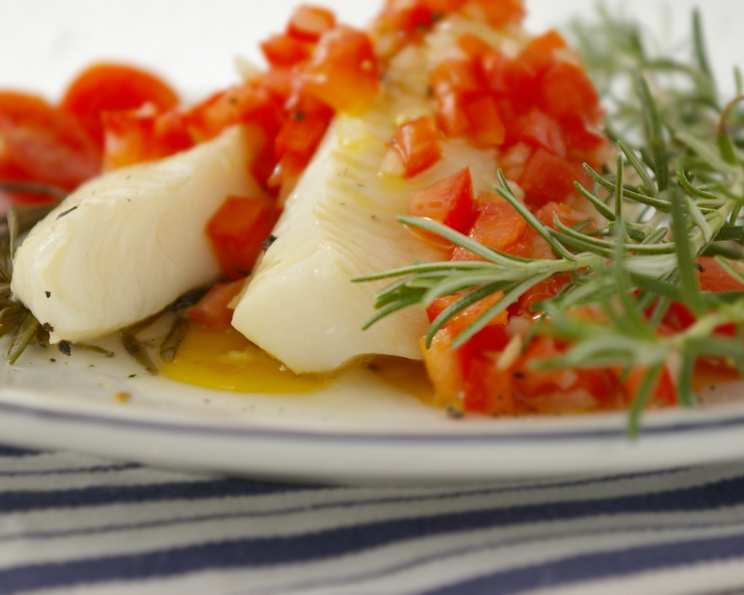
Rosemary Smoked Halibut with Balsamic Vinaigrette
There are certain aromas that instantly transport me back to my earliest days in the kitchen, and the sharp, piney scent of rosemary, particularly when kissed by a flame, is one of them. I remember one particular summer evening, the air thick with the scent of the garden, when I first experimented with this method of infusing fish with herbs. The unexpected sight of the rosemary sprigs briefly igniting, releasing their fragrant oils, was pure culinary magic. It set the stage for a simple yet profoundly flavorful halibut dish that has since become a cherished staple, a testament to how a few well-chosen ingredients and a touch of theatrics can elevate a humble weeknight meal.
Recipe Overview
- Prep Time: 15 minutes
- Cook Time: 12 minutes
- Total Time: 27 minutes
- Servings: 6
- Yield: 6 servings
- Dietary Type: Gluten-Free, Dairy-Free
Ingredients
For the Halibut:
- 2-3 sprigs fresh rosemary
- 1 ½ lbs halibut fillets
For the Balsamic Vinaigrette:
- ¼ cup olive oil
- 2 tablespoons balsamic vinegar
- ¼ teaspoon black pepper, coarsely crushed
- ⅛ teaspoon salt
- ½ cup tomatoes, seeded and diced
- 1 teaspoon shallot, finely chopped
Equipment Needed
- Baking dish
- Foil
- Small bowl
- Whisk
- Match or long lighter
Instructions
- Begin by preparing your halibut. Gently rinse the halibut fillets under cool water and pat them completely dry with paper towels. This ensures a better texture and allows the flavors to penetrate more effectively.
- Next, it’s time for the aromatic infusion. In a baking dish, arrange the halibut fillets. Nestle the fresh rosemary sprigs alongside the fish.
- Now for the exciting part! Using a match or a long lighter, carefully light the rosemary sprigs. They may not stay lit for long, but the brief flame will release a wonderful, smoky, herbaceous aroma that will infuse the fish as it bakes. This step is both functional and theatrical, adding a unique character to the dish.
- Once the rosemary has had its moment, cover the baking dish tightly with foil. This is crucial for trapping the steam and aromatic smoke, ensuring the halibut cooks evenly and remains moist.
- Preheat your oven to 425°F (220°C).
- Place the foil-covered baking dish into the preheated oven and bake for 8 to 12 minutes. The exact time will depend on the thickness of your halibut fillets. You’ll know the fish is done when it flakes easily when tested with a fork. Overcooked halibut can become dry, so keep a close eye on it during this final stage.
- While the halibut is baking, prepare the Balsamic Vinaigrette. In a small bowl, combine the olive oil, balsamic vinegar, coarsely crushed black pepper, and salt.
- Whisk these ingredients together until they are well emulsified, creating a vibrant dressing.
- Stir in the seeded and diced tomatoes and the finely chopped shallot into the vinaigrette. This mixture can be prepared ahead of time, making it a convenient component for busy cooks.
- Once the halibut is cooked and perfectly flaked, carefully remove the baking dish from the oven.
- Discard the rosemary sprigs (they have served their flavorful purpose).
- Serve the baked halibut immediately, spooning the prepared Balsamic Vinaigrette generously over the top.
Expert Tips & Tricks
The beauty of this recipe lies in its simplicity, but a few pointers can elevate it further. When selecting your halibut, opt for thick, uniform fillets for the most even cooking. If your fillets are thinner, you may need to reduce the baking time slightly to prevent them from drying out. Don’t be discouraged if the rosemary doesn’t burn dramatically; even a brief flare-up is enough to impart its essential oils. For an extra layer of flavor, you can lightly season the halibut with salt and pepper before baking, but be mindful of the salt in the vinaigrette. The vinaigrette itself can be a canvas for creativity. A pinch of dried oregano or a whisper of Dijon mustard can add intriguing nuances.
Serving & Storage Suggestions
This Rosemary Smoked Halibut is best enjoyed fresh from the oven, allowing the delicate aroma and flavor to be at their peak. The vibrant Balsamic Vinaigrette, with its fresh tomatoes and shallots, provides a delightful contrast to the rich, flaky fish. It pairs wonderfully with a simple side of steamed asparagus, a light quinoa salad, or roasted baby potatoes.
If you find yourself with any leftovers, store them in an airtight container in the refrigerator for up to 2 days. The halibut will retain its moisture best when kept whole or in larger pieces. The Balsamic Vinaigrette should be stored separately in its own container. To reheat, gently warm the halibut in a low oven (around 300°F or 150°C) or in a non-stick skillet over low heat, taking care not to overcook it. The vinaigrette can be served at room temperature or slightly warmed.
Nutritional Information
| Nutrient | Amount per Serving | % Daily Value |
|---|---|---|
| Calories | 241.8 | |
| Calories from Fat | 111 | |
| Total Fat | 12.4 g | 19% |
| Saturated Fat | 1.7 g | 8% |
| Cholesterol | 46.5 mg | 15% |
| Sodium | 127.8 mg | 5% |
| Total Carbohydrate | 0.7 g | 0% |
| Dietary Fiber | 0.2 g | 0% |
| Sugars | 0.4 g | 1% |
| Protein | 30.4 g | 60% |
Nutritional values are estimates and may vary based on specific ingredients used.
Variations & Substitutions
While halibut is the star here, this smoking technique can be adapted for other firm white fish like cod, haddock, or even sea bass. Adjust the cooking time based on the thickness of the fillets. For those who prefer a milder herb flavor, consider using just one sprig of rosemary, or supplementing it with a sprig of thyme for a more complex aromatic profile. The Balsamic Vinaigrette offers a wealth of possibilities. Experiment with different types of vinegar, such as red wine vinegar or apple cider vinegar, for subtle shifts in flavor. A touch of honey or maple syrup can balance the acidity, and a sprinkle of fresh herbs like parsley or chives can add brightness. For a touch of heat, a tiny pinch of red pepper flakes can be incorporated into the vinaigrette.
FAQs
Q: How do I know if my rosemary is fresh enough to light?
A: Fresh rosemary sprigs that are slightly pliable but not dried out are ideal for this method. Avoid woody or brittle stems, as they may not catch a flame easily.
Q: What if the rosemary doesn’t catch fire at all?
A: Don’t worry if the rosemary doesn’t ignite! Even the heat from the oven will help to release the fragrant oils. The aroma will still infuse the fish beautifully.
Q: Can I make the balsamic vinaigrette ahead of time?
A: Absolutely! The vinaigrette can be made several hours, or even a day, in advance. Store it in the refrigerator and let it come to room temperature before serving.
Q: Is it safe to light herbs in my oven?
A: Yes, this is a common culinary technique. Ensure you use a long lighter or match and are careful when igniting. The flame is brief and contained within the baking dish.
Q: Can I use dried rosemary instead of fresh?
A: While fresh rosemary is recommended for its aromatic oils and ability to be lightly flamed, dried rosemary can be used in a pinch. However, you won’t achieve the same smoky infusion, and you’ll want to reduce the amount as dried herbs are more potent.
Final Thoughts
This Rosemary Smoked Halibut is more than just a recipe; it’s an experience. It’s about the anticipation of the rosemary igniting, the comforting aroma filling your kitchen, and the simple joy of a perfectly cooked piece of fish. It’s a dish that proves that elegance doesn’t require complexity, and that a few select ingredients, treated with respect and a touch of inspiration, can create something truly memorable. I encourage you to gather your ingredients, embrace the slight theatricality of the flaming rosemary, and savor the delicious results. I’d love to hear about your own experiences with this dish – perhaps a special occasion it graced or a twist you’ve added. Until then, happy cooking!