
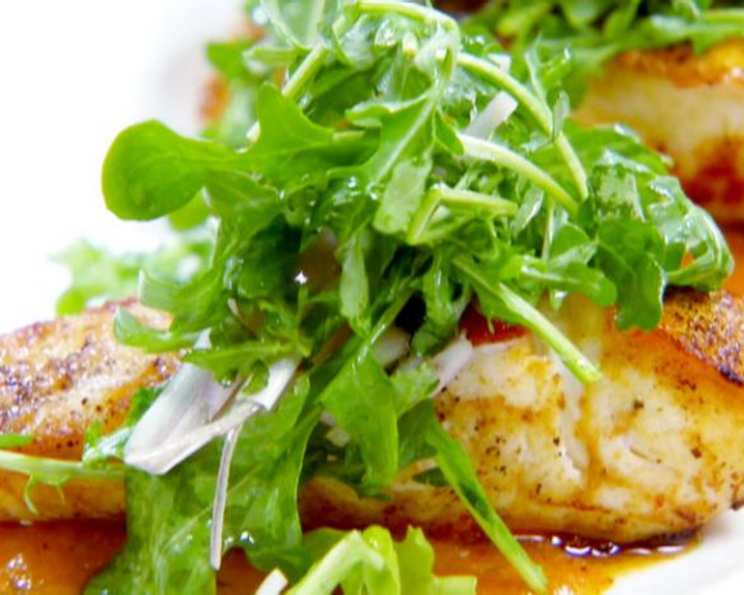
Roast Halibut with Smoked Tomato Vinaigrette
There are certain flavors that, once experienced, etch themselves into your culinary memory, forever influencing your approach to cooking. For me, the smoked tomato vinaigrette is one such revelation. I remember the first time I tasted it, a vibrant burst of smoky sweetness, a testament to how simple ingredients, treated with a touch of ingenuity, can transform into something truly extraordinary. Paired with the delicate, flaky perfection of roast halibut, it’s a dish that speaks of coastal breezes and sun-drenched evenings, a true celebration of pristine ingredients.
Recipe Overview
- Prep Time: 20 minutes
- Cook Time: 25 minutes
- Total Time: 45 minutes
- Servings: 2
- Yield: 2 servings
- Dietary Type: Gluten-Free, Dairy-Free
Ingredients
For the Smoked Tomato Vinaigrette
- 1⁄2 cup water
- 4 medium ripe tomatoes, quartered and seeded
- 1 large sprig tarragon, stemmed
- 2 shallots, peeled and sliced in rings
- 1⁄2 cup olive oil
- 1 pinch kosher salt
- Fresh ground black pepper, to taste
For the Roasted Halibut
- 2 (4 ounce) halibut fillets
- Coarse salt, to taste
- Fresh ground black pepper, to taste
- 1 tablespoon canola oil, plus more as needed
For Garnish (Optional)
- Handful baby greens
- Arugula leaf
- 1 shallot, finely julienned
Equipment Needed
- Wok (for smoking)
- Aluminum foil
- Bamboo steamer
- Immersion blender or regular blender
- Medium skillet
- Oven
- Deep plates, for serving
Instructions
The magic of this dish begins with infusing the tomatoes with a delicate smoky essence. To achieve this, prepare a wok smoker. Lay two layers of aluminum foil in the bottom of your wok. Distribute about two handfuls of hickory wood chips evenly over the foil. Place the wok over high heat. Once the wood chips begin to smoke, carefully pour in the 1⁄2 cup of water.
While the smoker heats, prepare your aromatics. Thoroughly wash, quarter, and seed the ripe tomatoes. Place these prepared tomatoes into a bamboo steamer. Arrange the stemmed tarragon and sliced shallots around the tomatoes in the steamer.
Once the wok is smoking and the water is simmering, carefully place the bamboo steamer containing the tomatoes, tarragon, and shallots onto the smoking wok. Cover the wok tightly with its lid or a sheet of foil to trap the smoke. Allow the ingredients to smoke for precisely 20 minutes. This gentle smoking process will impart a subtle yet distinct smoky flavor to the tomatoes and aromatics.
After the smoking period, carefully remove the bamboo steamer. Transfer the smoked tomato, tarragon, and shallot mixture into a large pitcher. Using an immersion blender, blend the mixture until smooth. If you don’t have an immersion blender, you can carefully transfer the mixture to a regular blender and blend until smooth. With the blender running on a low speed, gradually drizzle in the 1⁄2 cup of olive oil in a thin, steady stream. Continue blending until the vinaigrette achieves a lovely, emulsified consistency. Season the vinaigrette with a pinch of kosher salt and some freshly cracked black pepper to your liking. Set aside.
Now, let’s turn our attention to the halibut. Preheat your oven to 375 degrees F (190 degrees C). Take your two (4 ounce) halibut fillets and generously sprinkle them on all sides with coarse salt and fresh cracked black pepper.
In a medium skillet, add just enough canola oil to coat the bottom. Place the skillet over fairly high heat.
Carefully place the seasoned halibut fillets into the hot skillet, ensuring they are skin side down if they have skin. Sear the first side until it has browned nicely, which should take approximately 3 to 4 minutes.
Once the first side is beautifully browned, flip the halibut fillets over. Continue cooking for another 3 minutes on the second side.
After searing both sides, carefully slide the skillet directly into the preheated oven. Bake for approximately 5 minutes to finish cooking. The halibut is done when it is firm to the touch and presents a beautiful snowy white color internally. It’s important to note that halibut is a lean fish, and overcooking it can lead to a dry texture.
To serve, ladle a generous pool of the smoked tomato vinaigrette into the bottom of a deep plate. Gently place a piece of the perfectly roasted halibut on top of the vinaigrette. If you are using the optional garnishes, artfully arrange a few baby greens or a tossed arugula leaf with some thinly sliced shallots alongside the halibut.
Expert Tips & Tricks
When smoking your tomatoes, ensure your wok is well-ventilated, or consider using a stovetop smoker if you have one. The key is to create a good amount of smoke without burning the wood chips. If you don’t have hickory wood chips, applewood or mesquite would also work, though they will impart a different smoky profile. For a quicker vinaigrette without the smoking step, you could use sun-dried tomatoes or roasted tomatoes, but the subtle smokiness is truly what elevates this dish. For the halibut, always aim for the freshest fish possible. The thick cut fillets are ideal as they hold up well to searing and roasting. If your fillets are thinner, adjust the oven time accordingly, as they will cook more quickly.
Serving & Storage Suggestions
This Roast Halibut with Smoked Tomato Vinaigrette is best served immediately after cooking to ensure the halibut is at its most succulent. The vinaigrette can be made a day in advance and stored in an airtight container in the refrigerator. Before serving, allow it to come to room temperature or gently warm it. Leftovers of the halibut can be stored in the refrigerator for up to 1 day, but it is best enjoyed fresh. Reheat gently, if desired, being careful not to overcook. The vinaigrette will keep in the refrigerator for up to 3 days.
Nutritional Information
| Nutrient | Amount per Serving | % Daily Value |
|---|---|---|
| Calories | 732 | 37% |
| Total Fat | 63.4 g | 81% |
| Saturated Fat | 8.4 g | 42% |
| Cholesterol | 68.6 mg | 23% |
| Sodium | 185.1 mg | 8% |
| Total Carbohydrate | 14.6 g | 5% |
| Dietary Fiber | 3 g | 11% |
| Sugars | 6.5 g | 7% |
| Protein | 28.7 g | 57% |
Note: Nutritional values are estimates and can vary based on specific ingredients and portion sizes.
Variations & Substitutions
While halibut is divine here, you could certainly substitute other firm white fish such as sea bass, cod, or even mahi-mahi. Adjust cooking times as needed for different fish densities. For a more intense tomato flavor in the vinaigrette, consider roasting some of the tomatoes beforehand, or adding a tablespoon of tomato paste during the blending stage. If you’re not a fan of tarragon, fresh basil or chives would offer a different, yet still delightful, herbaceous note. For a touch of acidity, a squeeze of lemon juice can be added to the vinaigrette at the end.
FAQs
Q: How do I know if my halibut is fully cooked?
A: The halibut should flake easily with a fork and appear opaque and snowy white throughout. It should also be firm to the touch, not mushy.
Q: Can I make the smoked tomato vinaigrette ahead of time?
A: Yes, the vinaigrette can be made up to 3 days in advance and stored in an airtight container in the refrigerator. Allow it to come to room temperature or gently warm it before serving.
Q: What if I don’t have a wok for smoking?
A: You can adapt this by using a stovetop smoker, or by roasting the tomatoes, tarragon, and shallots at a high temperature until slightly charred, then proceeding with the vinaigrette preparation.
Q: My vinaigrette is too thin, how can I thicken it?
A: Ensure you are slowly drizzling in the olive oil while blending. If it’s still too thin, you can try blending in a touch more olive oil or refrigerating it, as it will thicken slightly as it chills.
Q: What kind of wood chips are best for smoking the tomatoes?
A: Hickory wood chips provide a classic smoky flavor. Applewood or mesquite are also excellent choices that will impart their own distinct smoky characteristics.
Final Thoughts
This Roast Halibut with Smoked Tomato Vinaigrette is a dish that truly sings with flavor, a testament to the power of thoughtful preparation. It’s sophisticated enough for a special occasion, yet approachable enough for a weeknight treat. I encourage you to try this recipe, to experience the nuanced smokiness of the vinaigrette and the delicate perfection of the halibut. It’s a dish that’s sure to impress, and I’d love to hear about your culinary adventures with it. Enjoy!