
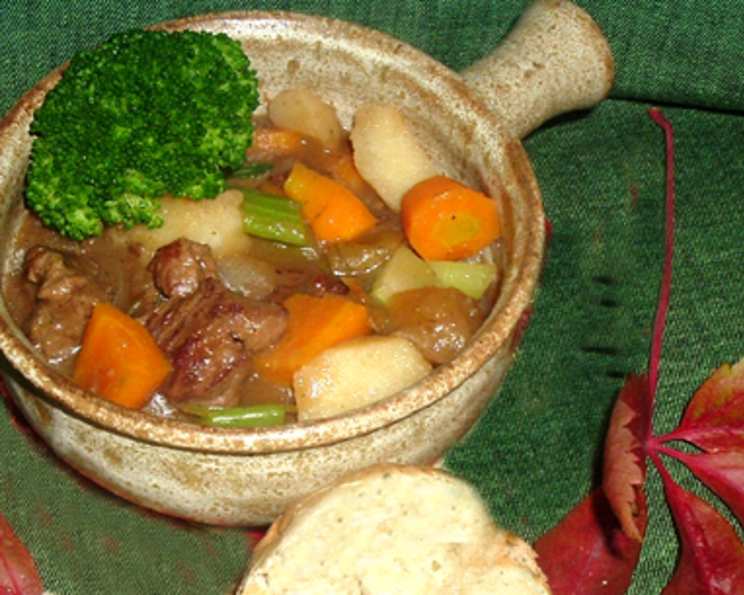
Southern Tenderized Beef Stew: A Taste of Comfort and Tradition
There are certain dishes that, for me, aren’t just about sustenance; they’re about feeling wrapped in a warm embrace, a culinary hug from generations past. This Southern Tenderized Beef Stew is precisely that. I remember my grandmother, a woman whose hands seemed to hold the secrets to every comforting dish imaginable, stirring a pot just like this on a crisp autumn afternoon. The aroma that wafted from her kitchen – a deep, savory blend of slow-cooked beef, earthy vegetables, and fragrant herbs – was the very essence of home. It’s a scent that instantly transports me back, to a simpler time, filled with laughter and the clatter of plates. She always said the key was patience and good, tender beef, and after years of recreating her magic, I can confirm she was absolutely right. This stew, a family favorite, has fed countless gatherings and has a way of bringing everyone to the table, united by its rich, soul-warming goodness.
Recipe Overview
- Prep Time: 20 minutes
- Cook Time: 2 hours 35 minutes
- Total Time: 2 hours 55 minutes
- Servings: 4-5
- Yield: Approximately 4-5 servings
- Dietary Type: Classic American comfort food
Ingredients
This stew is all about bringing out the best in simple, honest ingredients. The magic truly happens with the slow cooking, transforming humble cuts into melt-in-your-mouth tender beef.
- 1 to 2 pounds tenderized beef stew meat
- ½ cup all-purpose flour
- Water (enough to cover the meat)
- 1 medium onion, sliced
- 2 tablespoons vegetable oil (or other neutral cooking oil)
- 2 beef bouillon cubes
- Freshly ground black pepper, to taste
- Salt, to taste
- 1 tablespoon dried rosemary
- ½ teaspoon celery seed
- 4 medium potatoes, cubed
- 2 carrots, peeled and sliced
Equipment Needed
For this comforting stew, you won’t need an overly specialized arsenal. Most of these are kitchen staples.
- A large, heavy-bottomed pot or Dutch oven
- A large skillet
- Measuring cups and spoons
- A sharp knife and cutting board
- A wooden spoon or spatula for stirring
Instructions
The heart of this Southern Tenderized Beef Stew lies in the methodical approach to building flavor and ensuring the beef reaches peak tenderness. Follow these steps carefully, and you’ll be rewarded with a deeply satisfying meal.
- Begin by preparing the beef stew meat. In a medium bowl, toss the tenderized beef stew meat with the ½ cup of flour. Ensure each piece is lightly and evenly coated. This flour coating will help to thicken the stew as it cooks.
- Heat the 2 tablespoons of oil in a large skillet over medium heat. Once the oil is shimmering, carefully add the floured beef in a single layer. You may need to do this in batches to avoid overcrowding the skillet, which can lead to steaming rather than browning.
- Brown the beef on all sides. This step is crucial for developing a rich, deep flavor base for your stew. As the beef browns, lightly salt and pepper the pieces to season them from the start. This browning process typically takes about 2 minutes per side over medium heat. Once browned, remove the beef from the skillet and set it aside.
- In your large stew pot or Dutch oven, place the browned beef. Pour enough water into the pot to cover the meat completely.
- Add the 1 medium onion, sliced, to the pot with the beef and water.
- Next, crumble in the 2 beef bouillon cubes. These will dissolve and contribute a significant depth of beefy flavor to the broth.
- Stir in the 1 tablespoon of rosemary and the ½ teaspoon of celery seed. These herbs will infuse the stew with their aromatic notes as it simmers.
- Bring the contents of the pot to a simmer over medium heat. Once simmering, reduce the heat to low, cover the pot, and let it simmer for 2 ½ hours, or until the meat is real tender.
- During the simmering process, keep an eye on the liquid level. You may have to add more water occasionally to ensure the meat remains submerged and to maintain a good stew consistency. This slow, gentle cooking is what will transform even tougher cuts into incredibly tender morsels.
- After the meat is tender, it’s time to add the vegetables. Add the 4 medium potatoes, cubed, and the 2 carrots, peeled and sliced, to the stew pot.
- Continue to cook until the vegetables are tender. This usually takes about 20-30 minutes, depending on the size of your potato cubes and carrot slices. Ensure they are fork-tender but not mushy.
- Once the vegetables are tender, taste the stew and adjust the salt and freshly ground black pepper as needed.
Expert Tips & Tricks
As a chef, I’ve learned that a few small adjustments can elevate a good stew to an exceptional one. Don’t be afraid to make this recipe your own, while respecting its traditional foundations.
- Beef Selection: While the recipe calls for “tenderized beef stew meat,” if you have a slightly tougher cut of beef like chuck roast, cutting it into cubes and then briefly pounding them with a meat mallet before flouring can also help achieve that desired tenderness.
- Browning is Key: Don’t rush the browning process. The Maillard reaction that occurs when searing meat is responsible for a significant portion of the stew’s complex flavor. Ensure your skillet is hot enough and don’t overcrowd it.
- Herb Power: If you have fresh rosemary, by all means, use it! A sprig or two of fresh rosemary added during the simmering phase, and then removed before serving, will impart a more nuanced, fresh herbal aroma.
- Thickening Consistency: If after cooking the vegetables, you find your stew isn’t as thick as you’d like, you can create a slurry. Whisk together 1 tablespoon of flour with 2 tablespoons of cold water until smooth, then stir it into the simmering stew and cook for a few more minutes until thickened.
Serving & Storage Suggestions
This Southern Tenderized Beef Stew is a complete meal in a bowl, but it truly sings when served with a side of warm, crusty cornbread. The slightly sweet, crumbly cornbread is the perfect vehicle for sopping up every last drop of that rich, savory broth. A dollop of sour cream or a sprinkle of fresh parsley can also add a lovely finishing touch.
- Serving: Ladle the hot stew into deep bowls. Garnish with fresh parsley if desired.
- Storage: Leftovers can be stored in an airtight container in the refrigerator for up to 3-4 days. The flavors often meld and deepen even further overnight.
- Reheating: To reheat, gently warm the stew on the stovetop over low heat, stirring occasionally, until heated through. You can also reheat it in the microwave. If the stew has thickened too much during storage, you can add a splash of water or beef broth when reheating to reach your desired consistency.
Nutritional Information
Here’s an approximate nutritional breakdown for a generous serving of this hearty stew. Please note that these are estimates and can vary based on specific ingredient choices and portion sizes.
| Nutrient | Amount per Serving | % Daily Value |
|---|---|---|
| Calories | 702.5 kcal | |
| Calories from Fat | 329 g | |
| Total Fat | 36.6 g | 56% |
| Saturated Fat | 12.7 g | 63% |
| Cholesterol | 118.2 mg | 39% |
| Sodium | 413.8 mg | 17% |
| Total Carbohydrate | 55.5 g | 18% |
| Dietary Fiber | 6.4 g | 25% |
| Sugars | 4.6 g | 18% |
| Protein | 37 g | 73% |
Variations & Substitutions
While this recipe is a beloved classic, there’s always room for a personal touch.
- Vegetable Additions: Feel free to add other root vegetables like parsnips or turnips along with the potatoes and carrots. Peas or green beans can be added in the last 15-20 minutes of cooking for a pop of color and freshness.
- Herb Exploration: If you’re not a fan of rosemary, thyme is a wonderful substitute. A bay leaf added during the simmering stage can also add another layer of subtle complexity.
- Thicker Broth: For a richer, thicker broth, you can omit the initial flour coating on the beef and instead create a roux with butter and flour in the pot after browning the beef, before adding the water and other ingredients.
FAQs
Q: Why is the beef tenderized before cooking?
A: Tenderizing the beef, either through purchasing pre-tenderized meat or by a light pounding, helps to break down some of the connective tissues, ensuring a more tender and enjoyable stew, especially when cooked for extended periods.
Q: How do I know when the beef is tender enough?
A: The beef is tender when it can be easily pierced and broken apart with a fork. It should feel yielding and not tough or chewy.
Q: Can I use a different cut of beef if I can’t find stew meat?
A: Yes, chuck roast or beef brisket, cut into cubes, are excellent choices for stew. They benefit from slow cooking and will become wonderfully tender.
Q: What if I don’t have beef bouillon cubes?
A: You can substitute with liquid beef broth or stock. Use about 2 to 2.5 cups of beef broth in place of the water and bouillon cubes, adjusting the amount of added liquid as needed during simmering.
Q: Can I make this stew ahead of time?
A: Absolutely! This stew actually tastes even better the next day as the flavors have more time to meld. Simply reheat it gently on the stovetop or in the microwave.
Final Thoughts
There’s a profound comfort found in a bowl of slow-cooked stew, a culinary narrative that speaks of tradition, care, and the simple joy of good food shared. This Southern Tenderized Beef Stew is more than just a recipe; it’s an invitation to create your own comforting memories. So, gather your ingredients, embrace the patient process, and allow the rich aromas to fill your home. Serve it with pride, perhaps alongside that perfect slice of cornbread or a crisp green salad, and savor the warmth and satisfaction it brings to your table. May this stew bring as much joy and comfort to your family as it has to mine.