
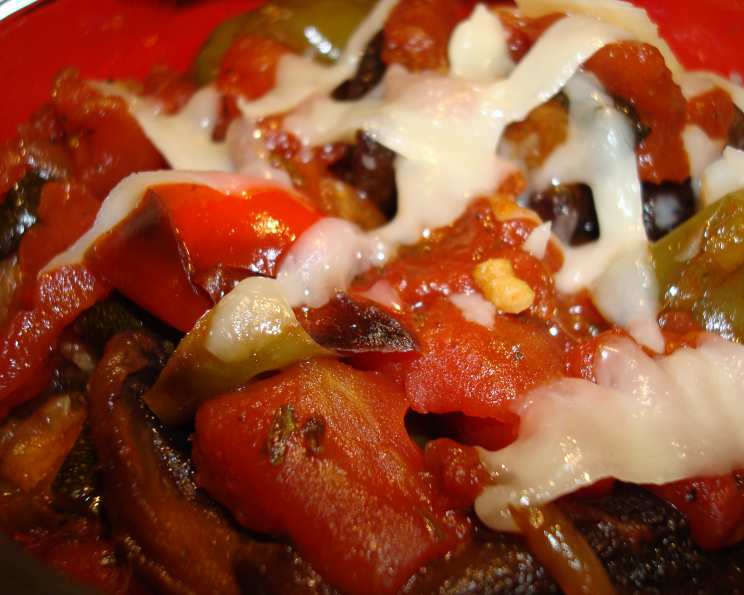
Rustic Summer Vegetable Pasta Sauce: A Symphony of Garden Flavors
There’s something profoundly grounding about a sauce that celebrates the bounty of the garden, and this Rustic Summer Vegetable Pasta Sauce is a testament to that. I remember my first encounter with this dish vividly – it was at a friend’s sprawling vegetable patch on a sweltering August afternoon. We’d spent the morning harvesting ripe tomatoes, sweet bell peppers, plump zucchini, and earthy mushrooms. Later, as the sun began to dip, we transformed our spoils into this vibrant, incredibly satisfying sauce. The aroma that filled the kitchen was an intoxicating blend of sweet, savory, and herbaceous notes, a true olfactory postcard from that perfect summer day. It was a meal that tasted of sunshine, hard work, and the simple joy of fresh ingredients.
Recipe Overview
Here are the key details for this garden-fresh pasta sauce:
- Prep Time: 20 minutes
- Cook Time: 1 hour 15 minutes
- Total Time: 1 hour 35 minutes
- Servings: 6
- Yield: Approximately 6-8 cups
- Dietary Type: Vegetarian, Vegan adaptable
Ingredients
The beauty of this sauce lies in its fresh, uncomplicated ingredients. You’ll want to source the best produce you can find to truly let their flavors shine.
-
For Roasting:
- 1 large onion, cubed
- 1 medium zucchini, cubed
- 1 green pepper, cubed
- 1 red pepper, cubed
- 12 medium mushrooms, cubed
- 1 teaspoon olive oil
- ½ teaspoon salt
- ½ teaspoon pepper
-
For the Sauce Base:
- 1 (28 ounce) can tomatoes, chopped (good quality is key here)
- 1 teaspoon garlic, crushed
- 1 tablespoon fresh basil, chopped
- 1 tablespoon fresh parsley, chopped
- ½ teaspoon dried thyme
- ¼ teaspoon dried oregano
Equipment Needed
You won’t need a whole lot of fancy gadgets for this rustic creation.
- A large baking sheet
- A large pot or Dutch oven
- A sharp knife and cutting board
- Measuring spoons and cups
Instructions
This recipe involves a two-stage cooking process, first roasting the vegetables to deepen their flavors and then simmering them with the tomatoes and herbs to meld everything together beautifully.
- Begin by preheating your oven to 425°F (220°C). Line a large cookie sheet with parchment paper for easy cleanup; this is especially helpful when roasting vegetables.
- On the prepared cookie sheet, spread out the cubed onion, zucchini, green pepper, red pepper, and mushrooms. Aim for a single layer so the vegetables roast evenly rather than steam.
- Drizzle the olive oil over the vegetables. Sprinkle with ½ teaspoon salt and ½ teaspoon pepper. Toss everything gently to ensure the vegetables are lightly coated.
- Place the baking sheet in the preheated oven and roast uncovered for 45 minutes. Keep an eye on them; you’re looking for tender, slightly caramelized edges, indicating a good depth of flavor has developed.
- While the vegetables are roasting, turn your attention to the sauce base. In a large pot or Dutch oven over medium heat, bring the 28-ounce can of chopped tomatoes to a boil.
- Once boiling, reduce the heat to low and simmer the tomatoes, adding the crushed garlic. Let this gently bubble away while the vegetables finish roasting.
- Once the roasted vegetables are ready, carefully remove them from the oven. Add the roasted vegetables directly to the pot with the simmering tomatoes and garlic.
- Stir in the chopped fresh basil, chopped fresh parsley, dried thyme, and dried oregano. Combine everything well.
- Bring the mixture back to a gentle simmer, then simmer for an additional 30 minutes. This allows the flavors to meld and the sauce to thicken slightly. Stir occasionally to prevent sticking.
- Your Rustic Summer Vegetable Pasta Sauce is now ready! Serve it hot over freshly cooked penne or your pasta shape of choice.
Expert Tips & Tricks
To elevate this already wonderful sauce, consider these professional insights:
- Tomato Quality: The quality of your canned tomatoes will significantly impact the final flavor. Opt for San Marzano or a reputable brand known for their sweet, balanced taste. If you have access to exceptionally ripe fresh tomatoes, you can certainly use them – blanch, peel, and chop them, but you might need to cook the sauce a bit longer to achieve the right consistency.
- Herb Power: While dried herbs are convenient, using fresh basil and parsley at the end of the cooking process truly brightens the sauce. If you love basil, consider adding a few fresh leaves stirred in just before serving.
- Vegetable Uniformity: When cubing your vegetables, try to keep the pieces roughly the same size. This ensures they cook evenly during the roasting and simmering stages.
- Roasting Depth: Don’t shy away from letting the vegetables get a good char on the edges during roasting. This caramelization is where a lot of the deep, rustic flavor comes from. If your oven tends to cook unevenly, you might rotate the pan halfway through the roasting time.
- Thickness Adjustment: If you find the sauce is too thick after simmering, you can always stir in a little water, vegetable broth, or even some of the pasta cooking water to reach your desired consistency. Conversely, if it’s too thin, continue simmering uncovered for a bit longer to allow more liquid to evaporate.
Serving & Storage Suggestions
This sauce is incredibly versatile and pairs wonderfully with a variety of pasta shapes.
- Serving: Serve generously over your favorite pasta, such as penne, rigatoni, or farfalle. A sprinkle of shaved Parmesan cheese (if not serving vegan) and a final grind of freshly crushed black pepper adds a lovely finishing touch. You can also serve this sauce alongside grilled chicken or fish, or as a base for a vegetable lasagna.
- Storage: Leftover sauce can be stored in an airtight container in the refrigerator for up to 4 days. It actually tastes even better the next day as the flavors have more time to meld. To reheat, gently warm it in a saucepan over low heat, stirring occasionally. For longer storage, you can freeze the sauce in portioned containers or freezer bags for up to 3 months. Thaw overnight in the refrigerator before reheating.
Nutritional Information
Here’s an approximate nutritional breakdown for this vibrant vegetable sauce. Please note that these values can vary based on the specific ingredients used.
| Nutrient | Amount per Serving (approx.) | % Daily Value |
|---|---|---|
| Calories | 120 kcal | 6% |
| Total Fat | 2.5 g | 3% |
| Saturated Fat | 0.4 g | 2% |
| Cholesterol | 0 mg | 0% |
| Sodium | 350 mg | 15% |
| Total Carbohydrate | 20 g | 7% |
| Dietary Fiber | 5 g | 18% |
| Sugars | 10 g | 20% |
| Protein | 4 g | 8% |
| Vitamin C | 30% | – |
| Iron | 8% | – |
Variations & Substitutions
While this recipe is fantastic as is, feel free to play with it!
- Spice it Up: For a touch of heat, add a pinch of red pepper flakes along with the garlic and dried herbs.
- Add Protein: Stir in cooked lentils or cannellini beans during the simmering stage for a heartier, plant-based meal.
- Mushroom Medley: Don’t be afraid to experiment with different types of mushrooms for added complexity, like shiitake or cremini.
- Vegetable Swap: While the current vegetable combination is classic, you could also add eggplant (cubed and roasted), carrots (diced and roasted), or even butternut squash (diced and roasted) for a different seasonal twist.
FAQs
Here are some commonly asked questions about this Rustic Summer Vegetable Pasta Sauce:
Q: Can I use dried herbs instead of fresh basil and parsley?
A: Yes, you can. Use about 1 teaspoon of dried basil and 1 teaspoon of dried parsley, adding them with the other dried herbs. However, fresh herbs added at the end will offer a brighter, more vibrant flavor.
Q: My sauce seems a bit watery. How can I thicken it?
A: The best way to thicken the sauce is to continue simmering it uncovered for a little longer, allowing excess liquid to evaporate. Stir frequently to prevent sticking.
Q: Is this sauce suitable for a vegan diet?
A: Absolutely! The recipe as written is vegan, provided you skip the optional Parmesan cheese garnish or use a vegan alternative.
Q: Can I make this sauce ahead of time?
A: Yes, this sauce is an excellent candidate for meal prep. It can be made a day or two in advance and stored in the refrigerator. The flavors actually deepen and improve overnight.
Q: What kind of pasta pairs best with this sauce?
A: This rustic sauce is wonderfully versatile. Heartier pasta shapes like penne, rigatoni, fusilli, or ziti hold up well to the chunky vegetables. Even spaghetti or linguine can be a delightful pairing.
Final Thoughts
This Rustic Summer Vegetable Pasta Sauce is more than just a recipe; it’s an invitation to connect with the earth and savor the simple pleasures of fresh, seasonal ingredients. It’s the kind of dish that brings people to the table, sparking conversation and creating memories. Whether you’re a seasoned home cook or just starting your culinary journey, I encourage you to try this recipe. Let the vibrant colors and robust flavors transport you to a sun-drenched garden. Share it with loved ones, and don’t hesitate to adapt it to your own tastes. I often find myself pairing a big bowl of this pasta with a crisp, dry white wine or a simple, refreshing lemonade. Enjoy every delicious bite!