
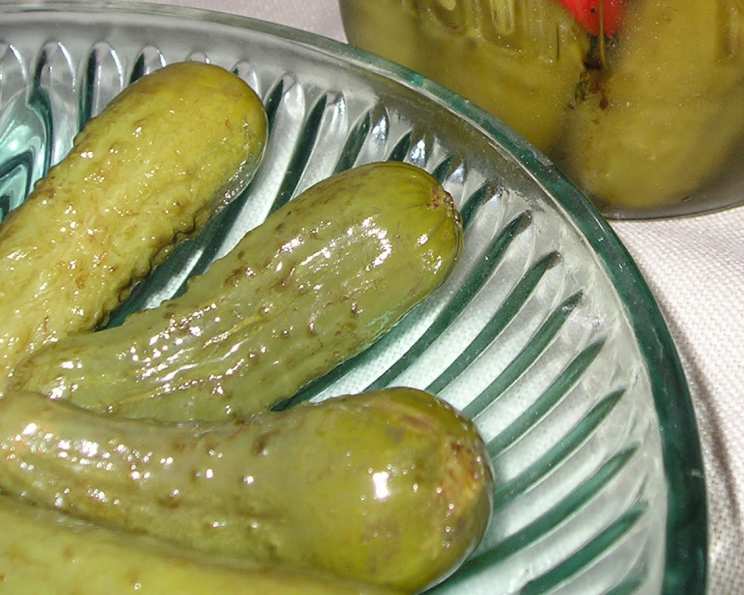
Russian Tarragon Pickles: A Zesty Aromatic Embrace
The first time I encountered Russian Tarragon Pickles, it wasn’t in a bustling Moscow market or a hushed grandmother’s kitchen, but rather through the unassuming pages of a well-worn cookbook from the 1970s. My relationship with tarragon, I’ll admit, has always been one of polite acquaintance rather than fervent devotion. I’m typically drawn to the more assertive tang of dill in my pickles. However, the simplicity of this recipe, a testament to preserving the bounty of the garden, intrigued me. It promised a different, more herbaceous kind of pickle, one that hinted at a subtle, almost anise-like whisper. For those who, unlike my past self, find themselves captivated by the unique charm of tarragon, this recipe offers a delightful journey into a less trodden path of pickling.
Recipe Overview
- Prep Time: 10 minutes
- Cook Time: 10 minutes (for sterilizing jars)
- Total Time: 6 weeks (plus active prep time)
- Servings: 48 (based on typical serving size of a pickle spear/slice)
- Yield: 2 quarts
- Dietary Type: Vegan
Ingredients
- 2 quarts pickling cucumbers: Look for small, firm, unblemished cucumbers specifically labeled for pickling. These have a better texture and fewer seeds.
- 4 cups white vinegar: A standard white vinegar with at least 5% acidity is ideal for proper preservation.
- 3 1/2 cups water: Filtered water is always a good choice for brines to avoid any off-flavors from tap water.
- 2 tablespoons pickling salt: This type of salt is specifically formulated for pickling and dissolves cleanly without additives that can cloud your brine.
- 4-8 fresh tarragon sprigs: The star of the show! Use more or fewer depending on your preference for tarragon’s subtle anise notes. Ensure they are fresh and fragrant.
- 8-12 cloves garlic: Peeled and left whole or roughly smashed. The more garlic, the more infused flavor you’ll get.
- 2-4 mild red chile peppers: These add a gentle warmth and a beautiful visual pop. Halve them if they are large to control the heat level.
Equipment Needed
- 2-quart-sized canning jars with lids and rings: Ensure these are clean and ready for sterilization.
- Large pot or canner: For sterilizing the jars.
- Medium saucepan: To heat the brine.
- Tongs: For handling hot jars.
- Ladle: For pouring the hot brine.
- Cutting board and knife: For preparing the chile peppers if needed.
Instructions
The art of pickling, at its core, is about preserving the essence of fresh ingredients through a careful balance of acidity, salt, and time. This Russian Tarragon Pickle recipe is a beautiful example of this time-honored tradition, focusing on clean flavors and straightforward preparation.
-
Begin by giving your pickling cucumbers a thorough scrubbing under cool running water. You want to remove any dirt or debris, ensuring a pristine pickle. Gently brush them to ensure they are immaculately clean.
-
Prepare your canning jars for sterilization. Place the clean jars upright in a large pot or canner. Add enough water to cover them by at least 1 inch. Bring the water to a rolling boil and maintain it for 10 minutes. This crucial step ensures that any harmful bacteria are eliminated, safeguarding your pickles.
-
While the jars are sterilizing, prepare your flavorings. Divide the fresh tarragon sprigs between the hot jars, placing a good sprig or two in each. Next, add the cloves of garlic to each jar, aiming for 2-3 cloves per jar. If you are using mild red chile peppers, add them now as well. If your peppers are on the larger side, you may want to use only half of one pepper per jar to ensure a mild heat.
-
Carefully pack the pickling cucumbers into the sterilized jars. Arrange them snugly, filling the jars as much as you can without forcing them. The goal is to get as many delicious cucumbers into each jar as possible.
-
In a medium saucepan, prepare the brine. Combine the vinegar, water, and pickling salt. Stir well to dissolve the salt. Heat this mixture over medium heat until it comes to a simmer, ensuring the salt is completely dissolved and the brine is hot. Do not bring it to a vigorous boil, just a gentle simmer.
-
Using tongs, carefully remove the hot jars from the canner, letting any excess water drain back into the pot. Pour the hot brine over the cucumbers, garlic, and tarragon in each jar. Ensure the brine covers the cucumbers completely, leaving about 1/2 inch of headspace at the top of the jar.
-
Wipe the rims of the jars clean with a damp cloth to ensure a good seal. Place the sterilized lids onto the jars and then screw on the rings until they are fingertip tight. Do not overtighten.
-
Set the sealed jars aside in a cool, dark spot. The magic truly happens during the resting period. It is imperative to let these pickles mature for at least 6 weeks before indulging. This allows the flavors to meld and deepen, transforming simple cucumbers into wonderfully aromatic and zesty Russian Tarragon Pickles.
Expert Tips & Tricks
When working with pickles, consistency is key. The goal is to achieve a satisfying crunch and a well-balanced flavor profile. For these tarragon pickles, freshness of ingredients is paramount. Ensure your cucumbers are crisp and firm; limp cucumbers will result in limp pickles. Tarragon, too, should be vibrant and fragrant for the best aromatic infusion. If you find your jars didn’t seal properly after the resting period (the lid should be concave and not flex when pressed), it’s best to store those in the refrigerator and consume them within a few weeks.
Serving & Storage Suggestions
After their dedicated 6-week slumber, your Russian Tarragon Pickles are ready to be enjoyed. Serve them chilled, straight from the jar, as a delightful accompaniment to hearty Russian fare like pelmeni or borscht. They also make a surprisingly sophisticated addition to a cheese board or a simple sandwich, offering a bright, herbaceous counterpoint. Store any unopened, properly sealed jars in a cool, dark pantry for up to a year. Once opened, always store the jars in the refrigerator and consume within 3-4 weeks to maintain optimal flavor and texture.
Nutritional Information
Here’s an approximate nutritional breakdown per serving (assuming a standard serving size of a pickle spear or slice):
| Nutrient | Amount per Serving | % Daily Value |
|---|---|---|
| Calories | 7.3 | – |
| Calories from Fat | 0 g | 0% |
| Total Fat | 0 g | 0% |
| Saturated Fat | 0 g | 0% |
| Cholesterol | 0 mg | 0% |
| Sodium | 291.9 mg | 12% |
| Total Carbohydrate | 0.9 g | 0% |
| Dietary Fiber | 0.1 g | 0% |
| Sugars | 0.3 g | 1% |
| Protein | 0.2 g | 0% |
Note: Nutritional information is an estimate and can vary based on the size of ingredients used.
Variations & Substitutions
While this recipe celebrates the specific combination of tarragon, garlic, and mild chile, feel free to experiment. For a spicier kick, you could introduce a small slice of a hotter pepper like a jalapeño or serrano. If tarragon is proving elusive, fresh dill sprigs could be used as a substitute, though it would transform the flavor profile into a more traditional dill pickle. Some pickle enthusiasts also enjoy adding a few mustard seeds or a bay leaf to their brine for an extra layer of complexity.
FAQs
Q: Why do the jars need to be sterilized for so long?
A: Sterilizing the jars at a rolling boil for 10 minutes is essential to eliminate any microorganisms that could cause spoilage or lead to unsafe canning practices.
Q: Can I use regular table salt instead of pickling salt?
A: It’s best to use pickling salt. Table salt often contains anti-caking agents that can make your brine cloudy.
Q: What does “fingertip tight” mean for the rings?
A: It means tightening the rings just enough so that they are snug but not overly tight. This allows air to escape during the canning process, which is necessary for a proper seal.
Q: My pickles are soft. What did I do wrong?
A: Soft pickles can result from using old or poor-quality cucumbers, not using enough vinegar (which provides the necessary acidity), or not processing the jars correctly. Ensure your cucumbers are fresh and firm.
Q: Can I eat these pickles before the 6 weeks are up?
A: While you can technically taste them sooner, the flavors will not have had enough time to fully develop and meld. For the intended taste experience, patience is truly a virtue with these pickles.
Final Thoughts
There’s a certain quiet satisfaction that comes from preserving the harvest, and these Russian Tarragon Pickles are a testament to that. They offer a delicate yet distinctive flavor that can elevate a simple meal or stand proudly on its own. I encourage you to embrace this recipe, to experience the subtle, aromatic dance of tarragon and garlic, and to discover a new favorite in your pickling repertoire. Share them with friends, pair them with a crisp vodka, and savor the fruits of your culinary endeavor.