
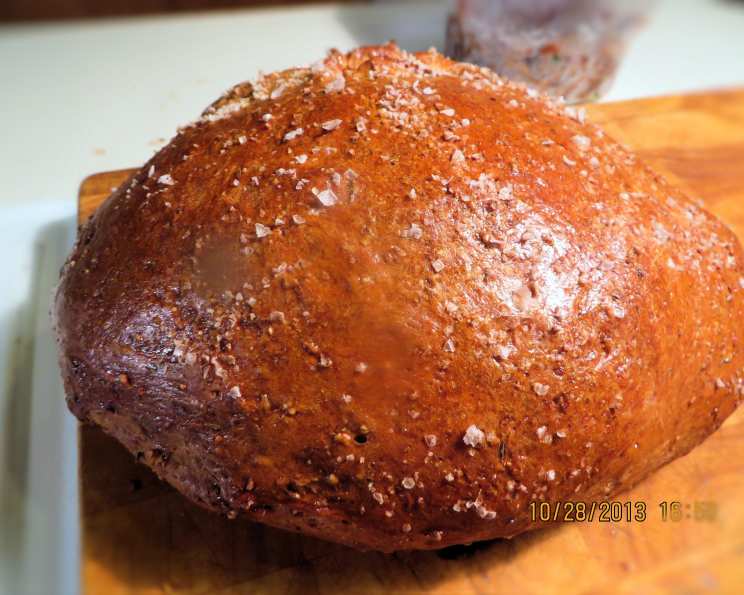
The Hearty Comfort of Russian Rye Bread, Effortlessly Made in Your Bread Machine
There’s a certain nostalgia baked into a loaf of rye bread, a comforting aroma that can transport you straight to a bustling European market or a cozy kitchen on a crisp autumn day. For me, it’s the scent of my grandmother’s kitchen, where the subtle, earthy notes of rye flour would mingle with the sweet undertones of honey, filling every corner. She never had a bread machine, of course; her rye was a labor of love kneaded by hand, but that distinct, deeply satisfying flavor remains etched in my memory. When I first discovered how to achieve that authentic taste and texture with the sheer convenience of a bread machine, it felt like unlocking a delicious secret. This recipe delivers that classic, slightly tangy, wonderfully dense rye, perfect for slicing thick and slathering with butter, or for serving alongside a hearty stew.
Recipe Overview
- Prep Time: 10 minutes
- Cook Time: Depends on bread machine cycle
- Total Time: Approximately 3-4 hours (including machine cycle)
- Servings: 10
- Yield: 1 lb loaf
- Dietary Type: Contains Gluten, Dairy (if using butter)
Ingredients
The beauty of this recipe lies in its simplicity, allowing the distinct character of the rye flour to shine. Precision is key when baking, especially in a bread machine, so have your measuring cups and spoons ready.
- 1 ½ cups warm water, plus 2 tablespoons warm water (The initial 1 ½ cups will be the primary liquid, with the additional 2 tablespoons used if the dough appears too dry during kneading.)
- 2 tablespoons dark honey (Dark honey, such as buckwheat, imparts a richer color and deeper flavor profile, reminiscent of traditional rye breads.)
- 1 ½ tablespoons butter, melted (Butter adds a subtle richness and tenderness to the crumb. You can substitute with a neutral oil or margarine for a dairy-free option.)
- 1 teaspoon salt (Essential for flavor and controlling yeast activity.)
- 1 ½ cups bread flour (The higher protein content in bread flour provides the necessary structure for the loaf.)
- ¾ cup rye flour (This is where the signature flavor comes from! Opt for dark rye flour if you prefer a more intense taste and darker color.)
- 1 ½ teaspoons caraway seeds (These aromatic seeds are a classic pairing with rye bread, offering a distinct licorice-like note that complements the earthy flour beautifully.)
- 1 ¼ teaspoons active dry yeast (Ensure your yeast is fresh for optimal rise.)
Equipment Needed
- Bread machine
- Measuring cups and spoons
Instructions
The beauty of a bread machine is its ability to automate the most labor-intensive parts of bread making. Follow these steps precisely for a perfect loaf every time.
- Load the Pan: Begin by placing the 1 ½ cups warm water, 2 tablespoons dark honey, 1 ½ tablespoons melted butter, and 1 teaspoon salt into your bread machine pan.
- Add the Flours: Next, carefully add the 1 ½ cups bread flour and ¾ cup rye flour on top of the wet ingredients. It’s generally best to layer the flours over the liquid.
- Introduce the Seeds and Yeast: Sprinkle the 1 ½ teaspoons caraway seeds over the flour mixture. Then, create a small well in the center of the flour and add the 1 ¼ teaspoons active dry yeast. Adding the yeast last, and ensuring it doesn’t directly touch the salt or liquid initially, helps it activate properly.
- Select Cycle and Start: Secure the bread machine pan in your machine and select the Basic bread cycle. Then, simply start the machine.
Your bread machine will now take over, handling the mixing, kneading, rising, and baking. The total time will vary depending on your specific machine’s settings for the basic cycle, but it typically ranges from 3 to 4 hours. Resist the urge to open the lid during the kneading and rising phases, as this can disrupt the process and affect the final texture.
Expert Tips & Tricks
While the bread machine does the heavy lifting, a few insider tips can elevate your Russian Rye Bread experience:
- Water Temperature is Key: Ensure your water is warm (around 105-115°F or 40-46°C). Too hot and it will kill the yeast; too cold and it won’t activate properly.
- Check Dough Consistency (If Your Machine Allows): If your bread machine has a viewing window, and you can observe the dough during the first 5-10 minutes of kneading, check its consistency. It should form a smooth, slightly sticky ball. If it looks too dry and crumbly, add the additional 2 tablespoons of warm water a teaspoon at a time. If it seems too wet and sticky, add a tablespoon of bread flour at a time.
- Fresh Yeast is Non-Negotiable: Old yeast is a common culprit for flat, dense bread. Test your yeast by dissolving it in a little warm water with a pinch of sugar. If it foams within 5-10 minutes, it’s active.
- Caraway Seed Boost: For an even more pronounced caraway flavor, lightly toast the seeds in a dry skillet over medium heat for a minute or two until fragrant before adding them to the machine.
Serving & Storage Suggestions
Once your bread machine has completed its cycle and signaled that the loaf is done, carefully remove the pan using oven mitts. Invert the pan to release the bread onto a wire cooling rack. Allow the bread to cool completely before slicing, ideally for at least 1-2 hours. This is crucial for the crumb to set properly and prevents a gummy texture.
This Russian Rye Bread is incredibly versatile. It’s divine served simply with a generous smear of unsalted butter. It also makes an excellent base for open-faced sandwiches, a classic pairing with cured meats, cheeses, or smoked fish. For a truly authentic experience, enjoy it alongside a bowl of borscht or a hearty goulash.
Storage:
- Room Temperature: Stored in a bread box or a loosely sealed plastic bag, the bread will stay fresh for 2-3 days.
- Refrigerator: For longer storage, wrap the cooled bread tightly in plastic wrap and then in foil. It will keep in the refrigerator for up to 5-7 days.
- Freezer: For long-term storage, wrap the cooled loaf tightly in plastic wrap and then in aluminum foil, or place it in a freezer-safe bag. It can be frozen for up to 3 months. Thaw at room temperature or gently reheat in a low oven (around 300°F/150°C) until warmed through.
Nutritional Information
Please note that this nutritional information is an estimate and can vary based on specific ingredient brands and quantities used.
| Nutrient | Amount per Serving (approx. 1/10 loaf) | % Daily Value |
|---|---|---|
| Calories | 126 kcal | 6% |
| Calories from Fat | 21 kcal | – |
| Total Fat | 2.3 g | 3% |
| Saturated Fat | 1.2 g | 6% |
| Cholesterol | 4.8 mg | 2% |
| Sodium | 249 mg | 10% |
| Total Carbohydrate | 24.0 g | 8% |
| Dietary Fiber | 1.7 g | 6% |
| Sugars | 3.6 g | 4% |
| Protein | 3.1 g | 6% |
Note: Daily values are based on a 2,000 calorie diet. Your daily values may be higher or lower depending on your calorie needs.
Variations & Substitutions
While this recipe is fantastic as is, you can certainly play with it to suit your preferences:
- Seed Variations: Feel free to experiment with other seeds like poppy seeds, sesame seeds, or even a pinch of fennel seeds for a different aromatic profile.
- Gluten-Free Adaptation: Unfortunately, achieving a successful gluten-free rye bread in a standard bread machine is very challenging due to the unique properties of gluten. This recipe is not suitable for a gluten-free diet.
- Dairy-Free Option: As mentioned, you can easily make this recipe dairy-free by substituting the melted butter with vegetable oil, canola oil, or melted dairy-free margarine.
FAQs
Q: Why is my rye bread dense instead of fluffy?
A: Rye flour lacks gluten, which provides structure. This recipe balances rye with bread flour to compensate. Ensure you’re using fresh yeast and the correct water temperature.
Q: Can I use whole wheat flour instead of bread flour?
A: While you could, using whole wheat flour will result in a denser, heavier loaf than this recipe intends. Bread flour is recommended for the best texture.
Q: How can I get a darker crust on my rye bread?
A: Some bread machines have crust color settings. If yours does, select a darker setting. You can also lightly brush the loaf with water or milk immediately after it comes out of the machine and return it to a warm oven (turned off) for a few minutes.
Q: My bread machine recipe calls for different liquid quantities. Should I use those?
A: Always follow your specific bread machine manufacturer’s instructions regarding the order and amount of liquids, as machines can vary. However, the ingredient ratios in this recipe are designed for a balanced outcome.
Q: Is it okay to add the caraway seeds directly to the main liquid?
A: It’s generally best to add caraway seeds with the flours or on top to prevent them from potentially interfering with the yeast or becoming waterlogged too early in the process.
Final Thoughts
Baking this Russian Rye Bread in your bread machine is a testament to how modern convenience can deliver timeless flavors. The aroma that fills your home as it bakes is just the beginning of the reward. Slice it thick, slather it with butter, and savor the satisfying chew and the complex, earthy notes. It’s a loaf that speaks of tradition, warmth, and simple pleasures, proving that delicious, authentic bread is more accessible than ever. I encourage you to try this recipe, and I can’t wait to hear about your baking triumphs and the delicious ways you enjoy this wonderful rye bread. Perhaps a dollop of sour cream or a slice of smoked salmon would make a delightful accompaniment? Happy baking!