
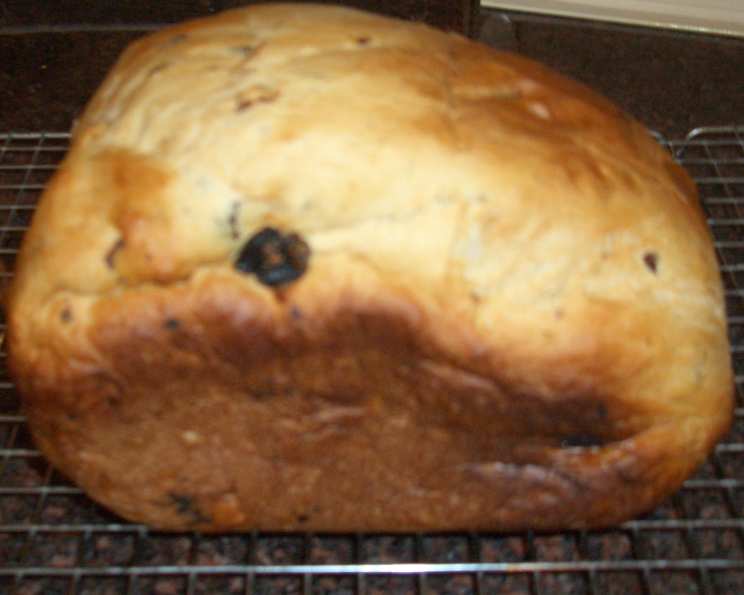
The Aromatic Embrace of Rum Raisin Bread
There’s a particular comfort that settles in my kitchen on a crisp autumn afternoon, a feeling that starts with the gentle warmth of yeast awakening and culminates in the intoxicating perfume of baking bread. It’s a memory etched in scent and sensation: my grandmother, her hands dusted with flour, carefully measuring ingredients for her rum raisin bread. The kitchen would fill with that distinct, sweet-and-spicy aroma, a promise of the golden-crusted loaf to come, studded with plump, rum-soaked jewels. She always said the secret was in the soaking, letting those little morsels of fruit truly absorb the spirit of the rum, transforming them into something altogether more magical.
Recipe Overview
- Prep Time: 30 minutes (plus overnight soaking)
- Cook Time: 35 minutes
- Total Time: 3 hours 30 minutes (includes resting/rising)
- Servings: 8
- Yields: 1 pound loaf
- Dietary Type: Contains Dairy, Contains Egg, Contains Gluten
Ingredients
The beauty of this rum raisin bread lies in its simple yet effective combination of ingredients, designed to coax out the best flavors and textures. For the best results, rum and raisins should be combined the night before.
For the Raisin Soak:
- 2 tablespoons rum
- 1⁄2 cup raisins
For the Bread Dough:
- 2 cups bread flour
- 1 tablespoon powdered milk
- 2 teaspoons brown sugar
- 1 teaspoon salt
- 2 teaspoons butter, softened
- 2 tablespoons heavy whipping cream
- 1⁄2 teaspoon rum extract
- 1 egg, lightly beaten
- 1 teaspoon olive oil
- 1 1⁄2 teaspoons active dry yeast
- 1⁄2 cup water, lukewarm
Equipment Needed
- Bread machine (with a regular setting for a 1-pound loaf)
- Small bowl (for soaking raisins)
- Measuring cups and spoons
- Oven mitts
- Cooling rack
Instructions
Crafting this delightful rum raisin bread is a straightforward process, particularly when leveraging the convenience of a bread machine. The key is to follow the machine’s manufacturer instructions for the order of ingredients, which is crucial for optimal yeast activation and dough development.
- Prepare the Raisins: In a small bowl, pour the rum over the raisins. Allow them to stand for at least 30 minutes, or ideally, soak them overnight. Before adding them to the bread machine, drain any excess rum.
- Assemble the Dough: Carefully place the ingredients into your bread machine pan in the order recommended by the manufacturer. Typically, this involves adding the liquids first, followed by dry ingredients, and finally the yeast. In this recipe, the order would generally be: lukewarm water, egg, olive oil, butter, heavy whipping cream, powdered milk, brown sugar, salt, bread flour, and finally, the active dry yeast. Ensure the yeast is not in direct contact with the salt or sugar initially.
- Select the Cycle: Select the regular setting on your bread machine for a 1-pound loaf. This setting is designed to handle the typical kneading, rising, and baking cycles required for a well-formed loaf.
- Incorporate the Raisins: If your bread machine has a specific fruit setting, add the drained raisins when the machine signals to do so, usually at the beginning of the kneading cycle or about 5 minutes before the kneading cycle has finished. If your machine does not have a fruit setting, add the raisins when the machine has completed its initial kneading phase and is about to begin its first rise. This ensures the raisins are evenly distributed throughout the dough without being overly broken down during extensive kneading.
- Bake the Bread: Allow the bread machine to complete its entire cycle, which includes baking. The machine will automatically manage the baking time and temperature.
- Cool the Loaf: Once the baking cycle is complete, carefully remove the bread from the bread machine pan using oven mitts. Place the loaf on a cooling rack to cool completely before slicing. This allows the internal structure to set and prevents a gummy texture.
Expert Tips & Tricks
To elevate your rum raisin bread from good to truly exceptional, consider these professional insights.
- The Raisin Soak is Non-Negotiable: Do not skip or shorten the raisin soaking time. The 30-minute minimum, or preferably an overnight soak, is essential for plump, flavorful raisins that won’t steal moisture from the dough. Draining excess rum is important, but a hint of that boozy sweetness will remain.
- Water Temperature Matters: Ensure your water is lukewarm, not hot or cold. Too hot, and it can kill the yeast; too cold, and it won’t activate it properly. Aim for a temperature between 105-115°F (40-46°C).
- Room Temperature Ingredients: While the bread machine handles much of the work, using room temperature butter and egg can contribute to a smoother dough incorporation during the initial mixing phase.
- Listen to Your Machine: Every bread machine is a little different. Familiarize yourself with its specific cycles and signals, especially for adding mix-ins like raisins.
- The Smell Test: As the bread bakes, your kitchen will fill with an irresistible aroma. This is often the best indicator of how well your bread is developing.
- Patience for the Perfect Slice: Resist the urge to slice into a hot loaf. Cooling on a wire rack is crucial for the bread’s texture. A warm slice is lovely, but a fully cooled slice will have a better crumb.
Serving & Storage Suggestions
This rum raisin bread is a star on its own, but it also pairs beautifully with a variety of accompaniments.
Serving:
Serve slices of this fragrant bread slightly warm or at room temperature. It’s wonderful toasted and spread with a generous amount of butter. For a more decadent treat, a dollop of cream cheese or a drizzle of honey makes it even more special. It’s also a fantastic accompaniment to your morning coffee or tea, or as a sweet end to a meal.
Storage:
Store cooled rum raisin bread in an airtight container or wrapped tightly in plastic wrap at room temperature for up to 3 days. For longer storage, you can slice the bread and freeze the slices in a freezer-safe bag or container for up to 3 months. To reheat frozen slices, simply toast them directly from frozen until warm and fragrant.
Nutritional Information
This nutritional information is an estimation and can vary based on specific ingredient brands and quantities used.
| Nutrient | Amount per Serving | % Daily Value |
|---|---|---|
| Calories | 1572.7 kcal | |
| Calories from Fat | ||
| Total Fat | 33.4 g | 51% |
| Saturated Fat | 15.7 g | 78% |
| Cholesterol | 280.5 mg | 93% |
| Sodium | 2513 mg | 104% |
| Total Carbohydrate | 264 g | 87% |
| Dietary Fiber | 10.7 g | 42% |
| Sugars | 56.2 g | 224% |
| Protein | 39.4 g | 78% |
Variations & Substitutions
While the classic rum raisin bread is perfection, here are a few ideas to explore:
- Different Spirits: If rum isn’t your preference, try soaking the raisins in brandy, dark rum, or even bourbon for a slightly different flavor profile.
- Other Dried Fruits: Experiment with other dried fruits like currants, sultanas, or even chopped dried cranberries (though these might not benefit as much from a spirit soak).
- Spice it Up: Add a pinch of cinnamon, nutmeg, or allspice to the dry ingredients for an extra layer of warmth and spice.
- Citrus Zest: A teaspoon of orange zest or lemon zest added to the dough can provide a bright, uplifting counterpoint to the richness of the rum and raisins.
FAQs
Q: Why do I need to soak the raisins in rum?
A: Soaking the raisins in rum plumps them up and infuses them with a delicious boozy flavor, preventing them from drying out the bread during baking and enhancing the overall taste.
Q: Can I use a different type of flour?
A: While bread flour is recommended for its high gluten content which provides structure, you could experiment with a mix of bread flour and all-purpose flour, though the texture might be slightly different.
Q: My bread machine doesn’t have a fruit setting, what should I do?
A: Add the raisins after the initial kneading cycle and just before the dough begins its first rise. This ensures they are incorporated without being overmixed.
Q: How can I tell if the bread is fully baked?
A: Your bread machine should indicate when baking is complete. If baking in a conventional oven, the crust should be golden brown, and an instant-read thermometer inserted into the center should register around 195-200°F (90-93°C).
Q: Can I make this bread without a bread machine?
A: Yes, you can absolutely make this dough by hand or using a stand mixer with a dough hook. You’ll need to follow standard bread-making procedures for kneading, rising, and baking in a conventional oven at the specified temperature for the duration.
Final Thoughts
The simple act of baking this rum raisin bread is a journey through comforting aromas and delightful textures. It’s a testament to how a few key ingredients, thoughtfully prepared, can transform into something truly special. I encourage you to try this recipe, to fill your home with its warm, inviting scent, and to savor each slice. Whether enjoyed toasted with butter or simply as is, this bread is sure to become a beloved staple. Share it with loved ones, or enjoy a quiet moment with a cup of coffee and a slice of this fragrant, rum-kissed delight.