
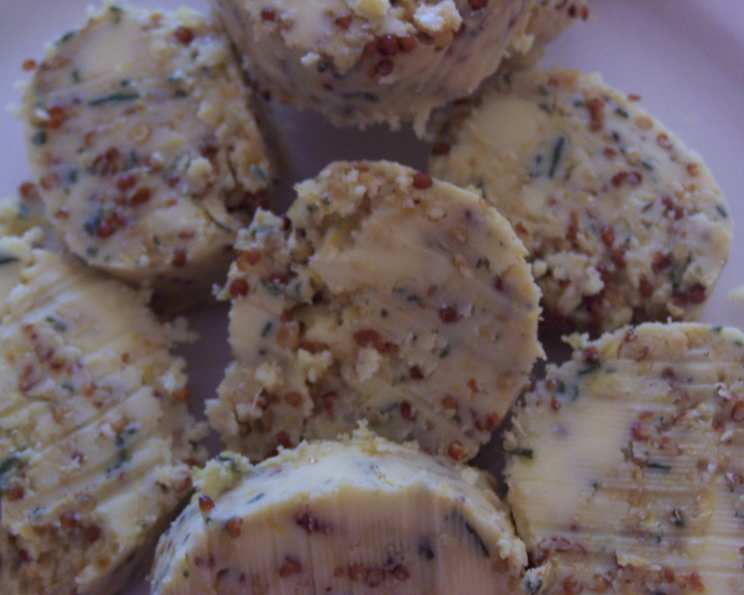
Rosemary Mustard Butter: A Culinary Cornerstone
There are certain ingredients that, while simple in their composition, possess an almost alchemical ability to elevate the everyday. For me, rosemary mustard butter is one such creation. I first encountered its magic on a chilly autumn evening, served atop a rack of slow-roasted lamb. The aroma alone, a heady perfume of piney rosemary and zesty mustard, was enough to make my anticipation soar. That first bite was a revelation – the rich butter melting into the succulent lamb, carrying with it that complex herbaceous and piquant embrace. It’s a flavor combination that, once tasted, becomes a treasured memory, a benchmark against which other accompaniments are measured.
Recipe Overview
- Prep Time: 10 minutes
- Cook Time: 0 minutes (plus chilling time)
- Total Time: 10 minutes (plus chilling time)
- Servings: 4-6
- Yield: Approximately 1/2 cup
- Dietary Type: Vegetarian
Ingredients
- 125 grams unsalted butter, softened
- 3 tablespoons coarse grain mustard
- 1 tablespoon fresh rosemary, finely chopped
- 1 teaspoon lemon juice
- 1 teaspoon lemon zest, grated
- 1 teaspoon honey
Equipment Needed
- Medium-sized mixing bowl
- Electric mixer or whisk
- Spatula
- Plastic wrap
Instructions
- Begin by placing the softened butter into a medium-sized mixing bowl. Using an electric mixer or a whisk, beat the butter until it becomes light and creamy. This process incorporates air, which will contribute to a smoother texture.
- To the creamed butter, add all the other ingredients: the coarse grain mustard, chopped fresh rosemary, lemon juice, grated lemon zest, and honey.
- Mix everything together thoroughly until all ingredients are well combined and evenly distributed throughout the butter mixture. Ensure there are no streaks of individual ingredients.
- Spoon the prepared butter mixture down the center of a large piece of plastic wrap.
- Fold up the edges of the plastic wrap over the butter to enclose it completely.
- Using your hands, roll the mixture firmly within the plastic wrap to shape it into a neat log. Aim for an even thickness.
- Refrigerate the butter log until it is firm. This will typically take at least 1 hour, but can take longer depending on the thickness of your log and the temperature of your refrigerator.
- Once the rosemary mustard butter is firm, slice it into rounds of your desired thickness. These rounds are ready to be used.
Expert Tips & Tricks
The key to a fantastic compound butter like this lies in the quality of your ingredients and a little patience. Ensure your butter is truly softened, not melted. Softened butter creams beautifully, creating an airy base that carries the other flavors. If you don’t have fresh rosemary, you can use dried, but halve the amount as dried herbs are more potent. Remember to chop the fresh rosemary very finely to avoid any woody textures in your butter. For an extra burst of flavor, you can slightly toast the rosemary sprigs before chopping them. When shaping the log, be firm but gentle to create a compact cylinder that will slice cleanly.
Serving & Storage Suggestions
This rosemary mustard butter is incredibly versatile. It’s divine when placed atop a warm, grilled steak or a roasted chicken, allowing the vibrant flavors to meld with the hot proteins. It’s also a delightful spread for crusty bread, warm dinner rolls, or even slathered over roasted vegetables like asparagus or potatoes. The firm, chilled rounds add an elegant touch to any presentation.
For storage, wrap the firm log tightly in plastic wrap and then again in foil, or place the sliced rounds in an airtight container. It will keep well in the refrigerator for up to 1 week. If you wish to store it for longer, the log can be frozen. To use frozen butter, thaw it in the refrigerator overnight before slicing and serving.
Nutritional Information
While specific nutritional values can vary based on the exact brands of ingredients used, here is an estimated breakdown per serving (assuming 6 servings of approximately 2 tablespoons each):
| Nutrient | Amount per Serving | % Daily Value |
|---|---|---|
| Calories | 183 kcal | 9% |
| Total Fat | 20.2 g | 26% |
| Saturated Fat | 12.8 g | 64% |
| Cholesterol | 53.4 mg | 18% |
| Sodium | 143.3 mg | 6% |
| Total Carbohydrate | 1.3 g | 0% |
| Dietary Fiber | 0.1 g | 0% |
| Sugars | 1.2 g | 2% |
| Protein | 0.2 g | 0% |
Note: These are approximate values and do not include the nutritional impact of the food item the butter is served with.
Variations & Substitutions
This recipe is a fantastic base for experimentation. For a spicier kick, consider adding a pinch of cayenne pepper or a dash of your favorite hot sauce. If you’re not a fan of honey, a touch of maple syrup can offer a different, equally delicious sweetness. For those who prefer a more savory profile, a finely minced shallot could be incorporated. If lemon zest isn’t available, a bit more lemon juice will suffice, though the zest offers a more concentrated citrus aroma. You could also explore different mustards – a Dijon or a whole grain Dijon would provide a different flavor nuance.
FAQs
Q: How do I get my butter to be the right consistency for mixing?
A: Ensure your butter is softened, meaning it’s at room temperature and yields to gentle pressure, but it should not be melted or greasy.
Q: Can I use dried rosemary instead of fresh?
A: Yes, you can, but use only about half the amount (e.g., ½ tablespoon of dried rosemary) as dried herbs are more concentrated in flavor.
Q: My butter log isn’t firming up. What should I do?
A: Make sure your refrigerator is at the correct temperature. You can also try making the log slightly thinner for faster firming.
Q: How long does the butter last once made?
A: When stored properly in an airtight container in the refrigerator, it should last for about a week.
Q: Can I freeze this rosemary mustard butter?
A: Absolutely. Shape it into a log, wrap it well, and freeze. Thaw in the refrigerator before slicing.
This rosemary mustard butter is more than just a condiment; it’s a flavor enhancer, a conversation starter, and a testament to how simple ingredients can create something truly memorable. I encourage you to whip up a batch and discover its culinary prowess for yourself. It’s a small effort for an immense reward, transforming ordinary meals into something extraordinary.