
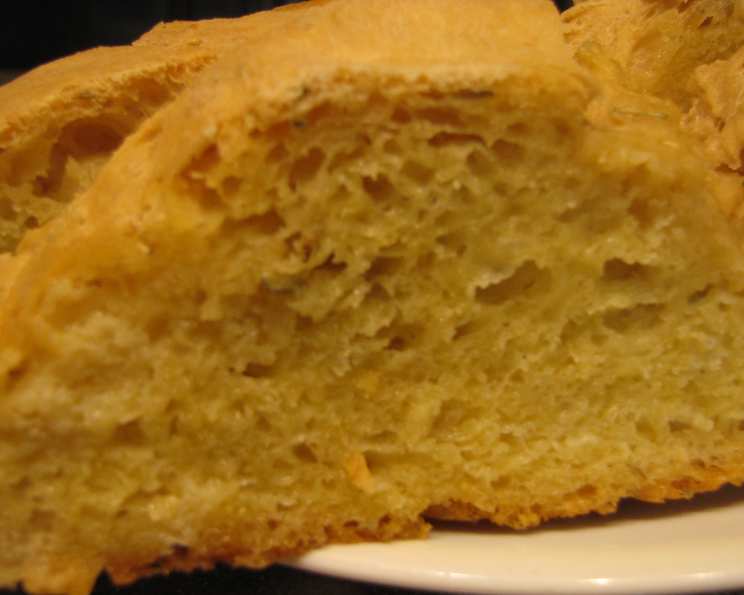
Rosemary French Bread: Aromatic Bliss from My Kitchen to Yours
There are certain aromas that instantly transport me back to my childhood kitchen, the scent of baking bread being paramount among them. The warmth, the subtle yeasty tang, and the promise of something delicious soon to emerge from the oven – it’s pure magic. This Rosemary French Bread, in particular, holds a special place in my heart. I remember one particularly chilly autumn evening, the kind where the wind howls just right, and my grandmother, bless her soul, decided to surprise us with a freshly baked loaf. The air in our small home became thick with the comforting perfume of rosemary and warm bread. That loaf, crusty on the outside, impossibly soft within, was gone in a flash, a testament to its irresistible charm. Even now, years later, the mere thought of its fragrance evokes a sense of deep contentment and cherished family memories.
Recipe Overview
- Prep Time: Approximately 15 minutes (plus machine time)
- Cook Time: Not applicable (machine bakes the bread)
- Total Time: Approximately 2 hours and 15 minutes (depending on bread machine cycle)
- Servings: 10
- Yield: 1 loaf (1.5 lb size)
- Dietary Type: Vegetarian
Ingredients
Crafting this fragrant loaf is remarkably straightforward, especially with the aid of a bread machine. Here’s what you’ll need:
- 1 (1/4 ounce) package active dry yeast
- 3 1/4 cups bread flour
- 1 teaspoon salt
- 1 teaspoon white sugar
- 2 teaspoons butter, softened
- 1 cup warm water (ideally between 105-115°F or 40-46°C)
- 2 tablespoons warm water (used for activating yeast, if needed)
- 1 tablespoon dried rosemary, crushed
- 2 teaspoons minced garlic
Equipment Needed
While a bread machine does most of the heavy lifting, you’ll need a few basics:
- Bread machine
- Measuring cups and spoons
- A small bowl (for blooming yeast, if desired)
Instructions
The beauty of a bread machine recipe lies in its simplicity. The key is to place your ingredients into the bread machine pan in the correct order, as recommended by the manufacturer. This typically involves liquids first, followed by dry ingredients, and finally the yeast.
- Prepare Your Bread Machine Pan: Open the lid of your bread machine. Remove the bread pan, if necessary, to add your ingredients.
- Add Wet Ingredients: Pour the 1 cup of warm water into the bread pan.
- Add Softened Butter: Add the 2 teaspoons of softened butter to the pan.
- Add Dry Ingredients: In a separate bowl, whisk together the 3 1/4 cups of bread flour, 1 teaspoon of salt, and 1 tablespoon of dried rosemary. Add this flour mixture to the bread pan, carefully layering it over the wet ingredients.
- Add Yeast: Create a small well in the center of the flour mixture with your finger and add the (1/4 ounce) package of active dry yeast. Ensure the yeast does not come into direct contact with the liquid at this stage, as this can deactivate it.
- Add Minced Garlic: Sprinkle the 2 teaspoons of minced garlic over the top of the flour mixture.
- Select Cycle and Start: Place the bread pan back into the bread machine and close the lid securely. Select the appropriate cycle for your bread machine. For a loaf of this size and ingredients, a “Basic,” “White,” or “French” cycle is typically suitable. Press the Start button.
Your bread machine will now take over, mixing, kneading, rising, and baking the bread for you. The entire process usually takes about 2 hours and 15 minutes, depending on the specific settings of your machine.
Expert Tips & Tricks
While the bread machine is wonderfully automated, a few pointers can ensure your Rosemary French Bread turns out exceptionally well:
- Yeast Activation (Optional but Recommended): For guaranteed yeast activation, you can “bloom” it first. In a small bowl, combine the 2 tablespoons of warm water with a pinch of the white sugar. Sprinkle the active dry yeast over the top and let it sit for about 5-10 minutes until it becomes foamy. If it doesn’t foam, your yeast may be old, and you should use a fresh package. Once foamy, add this mixture to the bread pan with the other liquids before adding the dry ingredients.
- Water Temperature is Crucial: The ideal temperature for warm water for yeast activation is between 105-115°F (40-46°C). Water that is too hot will kill the yeast, and water that is too cool won’t activate it properly, leading to a dense loaf.
- Flour Type Matters: Bread flour has a higher protein content than all-purpose flour, which is essential for developing the gluten structure needed for a good crust and chewy interior in this type of bread.
- Crushing Rosemary: Gently crushing the dried rosemary between your fingers before adding it releases its fragrant oils, intensifying its aroma and flavor in the finished bread.
- Garlic Intensity: If you prefer a milder garlic flavor, you can reduce the amount of minced garlic slightly. For a more pronounced garlic punch, you can even add a touch more. Freshly minced garlic will offer the best flavor.
- Listen to Your Machine: Different bread machines operate slightly differently. Familiarize yourself with your machine’s manual, especially regarding the order of ingredients.
Serving & Storage Suggestions
Once the bread machine cycle is complete, carefully remove the bread pan. Invert the pan onto a wire cooling rack and gently shake to release the loaf.
This Rosemary French Bread is absolutely divine served warm, straight from the oven. It’s perfect on its own, lightly buttered, or served alongside a hearty soup, stew, or pasta dish. Its aromatic qualities also make it an excellent accompaniment to cheese boards or charcuterie.
For storage, allow the bread to cool completely on the wire rack before slicing. Once cooled, store any leftover bread in an airtight container or bread bag at room temperature for up to 2-3 days. If you won’t finish it within that timeframe, it freezes beautifully. Wrap the cooled loaf tightly in plastic wrap, then in aluminum foil, or place it in a freezer-safe bag. It will keep well in the freezer for up to 3 months. To reheat, you can simply place slices in a toaster or warm the whole loaf in a low oven (around 300°F/150°C) until heated through.
Nutritional Information
(Note: Nutritional values are approximate and can vary based on specific ingredients and bread machine models.)
| Nutrient | Amount per Serving (approx. 1/10 loaf) | % Daily Value |
|---|---|---|
| Calories | 160 kcal | |
| Calories from Fat | 20 kcal | |
| Total Fat | 2.3 g | 3% |
| Saturated Fat | 0.8 g | 4% |
| Cholesterol | 2 mg | 1% |
| Sodium | 241 mg | 10% |
| Total Carbohydrate | 30.2 g | 10% |
| Dietary Fiber | 1.3 g | 5% |
| Sugars | 1.2 g | 2% |
| Protein | 4.3 g | 9% |
Variations & Substitutions
While this recipe is a classic for a reason, feel free to experiment:
- Herb Variations: Swap some or all of the rosemary for other dried herbs like thyme, oregano, or a blend of herbes de Provence.
- Cheese Infusion: For a savory twist, consider adding about 1/2 cup of grated Parmesan cheese or sharp cheddar cheese along with the dry ingredients.
- Garlic Options: If you’re not a fan of minced garlic, you can omit it. Alternatively, for a milder garlic flavor, you could use 1 teaspoon of garlic powder instead of fresh minced garlic.
- Seeded Loaf: Add 1-2 tablespoons of sesame seeds or poppy seeds with the dry ingredients for added texture and flavor.
FAQs (Frequently Asked Questions)
Q: My bread machine recipe didn’t rise well. What could be wrong?
A: The most common culprits are old yeast or incorrect water temperature. Ensure your yeast is fresh and the water is between 105-115°F (40-46°C).
Q: Can I use all-purpose flour instead of bread flour?
A: You can, but the texture will be different. Bread flour provides a chewier crust and better structure due to its higher protein content.
Q: How do I get a really crispy crust?
A: While the bread machine does a good job, for an extra crispy crust, you can remove the bread from the pan immediately after baking and place it directly on an oven rack to cool.
Q: What is the purpose of the sugar in this recipe?
A: The sugar acts as food for the yeast, helping it to activate and produce carbon dioxide, which makes the bread rise. It also contributes to browning the crust.
Q: My bread has a dense bottom. How can I prevent this?
A: Ensure you are using the correct bread pan for your machine and that the ingredients are layered correctly. Also, remove the bread from the pan as soon as baking is complete to prevent the bottom from becoming soggy from residual steam.
Final Thoughts
This Rosemary French Bread, born from the convenience of a bread machine and elevated by the timeless fragrance of rosemary and garlic, is more than just a recipe; it’s an invitation. An invitation to fill your home with an irresistible aroma, to gather loved ones around a table laden with simple, wholesome goodness, and to create your own cherished memories. Whether you’re a seasoned baker or new to the kitchen, I encourage you to give this recipe a try. The satisfaction of pulling a perfect, golden-brown loaf from your bread machine, its scent promising pure delight, is truly unparalleled. Enjoy every fragrant, flavorful bite!