
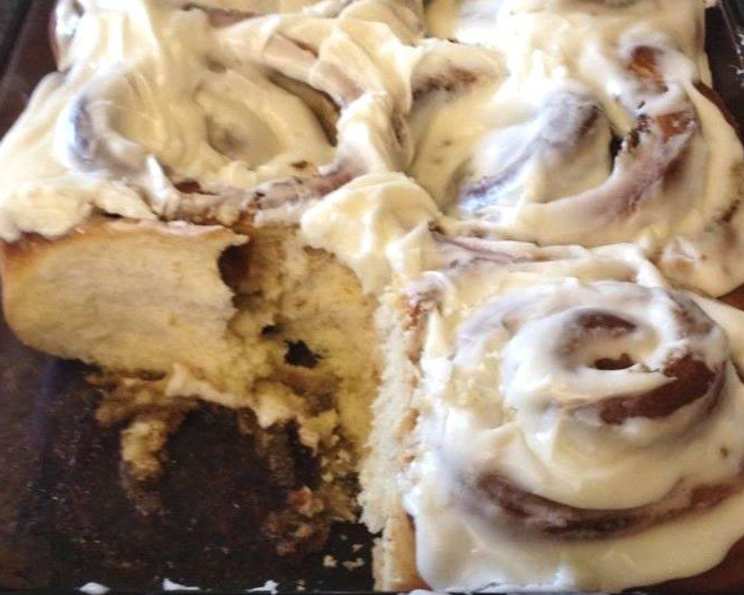
Rory’s Sourdough Cinnamon Rolls: A Tangy Twist on a Classic Comfort
There are certain aromas that, for me, are practically synonymous with pure, unadulterated comfort. The scent of cinnamon and sugar caramelizing in the oven, the subtle, yeasty tang of well-developed sourdough – when these two meld together, it’s a culinary symphony that transports me back to cozy weekend mornings. Rory’s Sourdough Cinnamon Rolls capture this magic perfectly, transforming a beloved treat into something with an exquisite depth of flavor and a wonderfully tender crumb. It’s a recipe that doesn’t just satisfy a sweet craving; it engages the senses and tells a story of patience, tradition, and a touch of genius.
Recipe Overview
- Prep Time: Approximately 30 minutes active, plus 2-3 hours for rising
- Cook Time: 35 minutes
- Total Time: Approximately 3 hours 5 minutes to 4 hours 5 minutes
- Servings: 8-12
- Yield: 8 large rolls
- Dietary Type: Contains Dairy, Eggs, Gluten
Ingredients
For the Dough:
- 1 cup fed sourdough starter
- 3/4 cup milk (lukewarm)
- 3/4 cup granulated sugar
- 1 large egg (room temperature)
- 1 cup butter, separated, melted and cooled
- 1/2 teaspoon salt
- 1 teaspoon fast-rising yeast
- Approximately 4 cups all-purpose flour (you may need slightly more or less)
For the Filling:
- 1 to 1 1/2 cups light brown sugar
- 3 tablespoons ground cinnamon
For the Frosting:
- 4 oz. cream cheese, softened
- 1/4 cup butter, softened
- 1/2 pound powdered sugar
- 1 teaspoon vanilla extract
Equipment Needed
- Stand mixer with dough hook attachment (recommended)
- Large mixing bowl
- Measuring cups and spoons
- Whisk
- Spatula
- Clean work surface
- Rolling pin
- Sharp knife (a serrated knife works well for slicing)
- 9″ by 13″ baking pan
- Plastic wrap or clean kitchen towel
- Wire cooling rack
- Small bowl for frosting
- Electric mixer or whisk for frosting
Instructions
This is where the magic truly begins. The process for Rory’s Sourdough Cinnamon Rolls is designed to coax out the best texture and flavor from every ingredient.
-
Activate the Yeast and Starter: In the bowl of your stand mixer, combine the fed sourdough starter, lukewarm milk, granulated sugar, and fast-rising yeast. Give it a quick whisk to combine. Let this mixture stand for about five minutes. You’re looking for the yeast and starter to begin their work, indicated by a spongy, bubbled-up appearance on the surface. This is a good sign that your leavening agents are active and ready to go.
-
Build the Dough Base: To the activated starter mixture, add the room temperature egg, 1/2 cup of the melted and cooled butter, and the salt. Mix these ingredients together thoroughly.
-
Incorporate the Flour: Now, begin adding the flour, about one cup at a time, while the mixer is running on low speed with the dough hook attached. Continue adding flour until a soft dough forms. You’ll know it’s getting there when the dough starts to climb up the dough hook. Be mindful that you might not use all four cups of flour, or you might need a little more. The goal is a dough that is slightly sticky but still capable of holding its shape. It shouldn’t be so wet that it’s unmanageable, nor so dry that it’s tough.
-
Knead and First Rise: Once the dough has reached the desired consistency, remove it from the mixer. Turn it out onto a lightly floured work surface. Knead the dough for a couple of minutes by hand. This process brings the dough together, ensuring a smooth and elastic texture. After kneading, place the dough into a slightly greased bowl. Cover the bowl with plastic wrap or a clean kitchen towel. Find a warm place in your kitchen for the dough to rise. Allow it to double in size, which typically takes about an hour, though this can vary depending on the ambient temperature.
-
Shape the Rolls: Once the dough has impressively doubled, gently punch it down to release the accumulated gases. Turn the dough out onto your lightly floured work surface once again. Using a rolling pin, roll the dough into a square shape. Aim for a thickness of about 1/4 to 1/3 inch.
-
Add the Filling: Evenly spread the remaining 1/2 cup of melted butter over the surface of the rolled-out dough, all the way to the edges. In a separate small bowl, combine the light brown sugar and ground cinnamon. Sprinkle this cinnamon-sugar mixture evenly over the buttered dough.
-
Roll and Slice: Starting from one of the longer sides, roll the dough up tightly. As you roll, try to maintain an even pressure to ensure uniform layers. Once rolled into a log, gently pinch the seam together to seal it. Using a sharp knife, I find a serrated blade is particularly effective for this, trim off the uneven edges of the log. Then, carefully cut the log into eight even pieces. These will be your glorious cinnamon rolls.
-
Second Rise: Arrange the cut rolls in a greased 9″ by 13″ baking pan, ensuring they have a little space between them to expand. Cover the pan with plastic wrap or a clean kitchen towel and allow them to rise again in a warm place for about 45 minutes. You’re looking for them to have not quite doubled in size; a good puffiness is what we’re after.
-
Bake to Perfection: While the rolls are enjoying their second rise, preheat your oven to 375 degrees Fahrenheit (190 degrees Celsius). Once the rolls are ready and the oven is preheated, place the baking pan in the oven. Bake for about 35 minutes, or until the tops are golden brown. To ensure they are cooked through, an instant-read thermometer inserted into the center of a roll should read 190 to 200 degrees Fahrenheit (88 to 93 degrees Celsius).
-
Cool and Frost: Carefully remove the pan from the oven. Allow the cinnamon rolls to cool in the pan for about 20 minutes before you frost them. This brief cooling period allows them to set slightly, preventing them from falling apart when you frost them.
-
Prepare the Frosting: While the rolls are cooling, make the frosting. In a small bowl, combine the softened cream cheese and softened butter. Using an electric mixer or a whisk, mix the ingredients together until smooth and fluffy. Add the powdered sugar and vanilla extract, and continue to mix until the frosting is completely smooth and has a delightful creamy consistency.
-
Frost and Serve: Once the rolls have cooled for 20 minutes, generously spread the frosting over the warm cinnamon rolls. The warmth of the rolls will help the frosting melt slightly, creating that irresistible gooey topping.
Expert Tips & Tricks
- Starter Activity: A truly active and fed sourdough starter is crucial here. If your starter has been neglected, give it a few feedings in the days leading up to baking to ensure it’s vigorous and ready to contribute to the dough’s rise and flavor.
- Flour Measurement: The “approximately” for the flour is important. Different flours absorb moisture differently, and humidity plays a role. Add flour gradually until you achieve that slightly sticky but manageable dough. Over-flouring will result in dry rolls.
- Warm Rising Spot: A slightly warm oven (turned off, with the light on) is an excellent place for your dough to rise. You can also place the covered bowl on top of a gently warming appliance.
- Slicing with Confidence: For the cleanest cuts, chilling the rolled dough log in the freezer for about 15-20 minutes before slicing can make it much easier to get clean rounds without squishing the layers.
- Don’t Overbake: Keep an eye on those rolls in the last 10 minutes of baking. Ovens can vary, and you want them golden brown and cooked through, but not dried out. The internal temperature is your best guide.
Serving & Storage Suggestions
These sourdough cinnamon rolls are best served warm, shortly after frosting, when the frosting is slightly melty and the rolls are still soft. They are a perfect centerpiece for a weekend brunch or a delightful afternoon treat.
For storage, keep any leftover cinnamon rolls covered at room temperature for up to 2 days. If you have more than that, or if your environment is particularly warm, store them in an airtight container in the refrigerator for up to 4 days. To reheat, you can gently warm them in a low oven (around 300°F / 150°C) for a few minutes, or microwave them for 10-15 seconds for a quick fix. For longer storage, they can be frozen, unfrosted, for up to 3 months. Thaw them overnight in the refrigerator and then warm them up before frosting.
Nutritional Information
| Nutrient | Amount per Serving | % Daily Value |
|---|---|---|
| Calories | 640.4 kcal | – |
| Calories from Fat | – | – |
| Total Fat | 25.1 g | 38% |
| Saturated Fat | 15.4 g | 77% |
| Cholesterol | 87.5 mg | 29% |
| Sodium | 377.7 mg | 15% |
| Total Carbohydrate | 97.1 g | 32% |
| Dietary Fiber | 3.4 g | 13% |
| Sugars | 45.7 g | 182% |
| Protein | 8.6 g | 17% |
Note: Nutritional information is an estimate and can vary based on specific ingredients and portion sizes.
Variations & Substitutions
- Add Nuts: For an extra layer of texture and flavor, you can sprinkle chopped pecans or walnuts over the brown sugar and cinnamon filling before rolling.
- Different Spices: While cinnamon is classic, consider adding a pinch of cardamom or nutmeg to the filling for a subtle variation.
- Citrus Zest: A little orange or lemon zest mixed into the frosting can add a bright, refreshing note that beautifully complements the richness.
- Dairy-Free/Vegan: This recipe, as written, contains dairy and eggs. Adapting it to be dairy-free or vegan would require significant substitutions in both the dough and frosting, potentially impacting the texture and flavor significantly.
FAQs
Q: Can I use active dry yeast instead of fast-rising yeast?
A: Yes, you can, but you’ll need to activate it first in the lukewarm milk and sugar mixture for about 5-10 minutes until foamy before adding it to the other wet ingredients.
Q: My sourdough starter isn’t very active. Will this recipe still work?
A: While a lively starter will produce the best results, the addition of fast-rising yeast in this recipe provides a reliable boost, so it should still work even with a moderately active starter.
Q: Why is my dough so sticky?
A: A slightly sticky dough is desirable for a tender crumb. However, if it’s unmanageable, add flour a tablespoon at a time until it’s easier to handle. Conversely, if it’s too dry, a little extra milk or melted butter can help.
Q: Can I make these rolls ahead of time?
A: You can prepare the dough, let it rise, and even shape the rolls the night before. Store them covered in the refrigerator. In the morning, let them come to room temperature for about 30-45 minutes before the second rise and baking.
Q: What’s the best way to ensure even baking?
A: Placing the rolls evenly in the pan and rotating the pan halfway through baking can help ensure even browning and cooking.
Final Thoughts
There’s a profound satisfaction in creating something truly delicious from scratch, and Rory’s Sourdough Cinnamon Rolls are a testament to that. The subtle tang from the sourdough starter elevates them beyond the ordinary, offering a delightful complexity that dances beautifully with the sweet, spiced filling and creamy frosting. They are a labor of love, yes, but one that rewards you tenfold with every bite. I encourage you to gather your ingredients, clear your counter, and embark on this culinary journey. The aroma that will fill your kitchen is just the beginning of the joy these rolls bring. Share them with loved ones, or savor them yourself with a good cup of coffee or a glass of cold milk. Happy baking!