
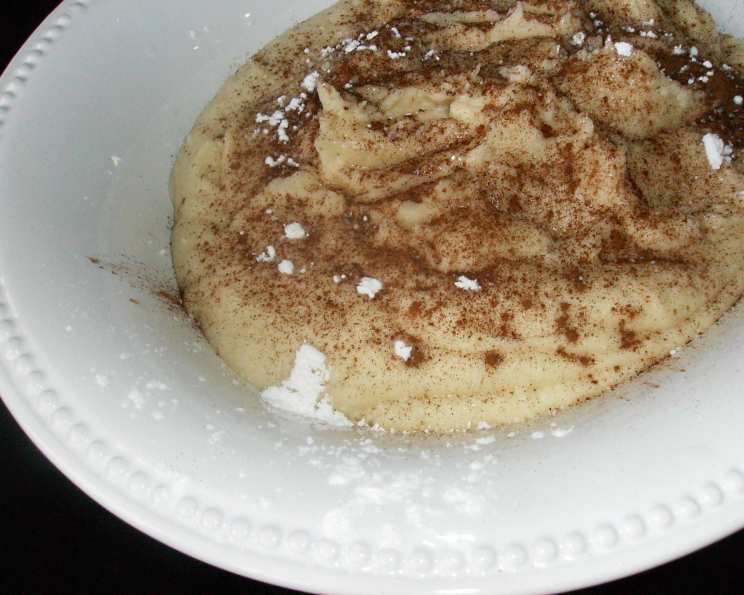
Rømmegrøt: A Taste of Norwegian Tradition
There’s a certain magic in porridges, a comforting embrace that speaks of home and hearth. While my culinary journey has taken me through countless kitchens and across diverse cuisines, the rustic charm of a well-made porridge has always held a special place in my heart. Rømmegrøt, a Norwegian sour cream porridge, has been a delightful discovery that I’ve been eager to share. Its simple elegance, born from humble ingredients, transforms into a dish that is both deeply satisfying and surprisingly refined. It’s a testament to how basic elements, handled with care, can create something truly extraordinary.
Recipe Overview
- Prep Time: 10 minutes
- Cook Time: 20 minutes
- Total Time: 30 minutes
- Servings: 8
- Yield: Approximately 1 liter
- Dietary Type: Vegetarian
Ingredients
- 1 liter sour cream
- 2 teaspoons salt
- 3 ½ cups flour
- 1 liter milk
- 250 g butter
Equipment Needed
- Large, heavy-bottomed saucepan
- Whisk (preferably a balloon whisk)
- Measuring cups and spoons
- Serving bowls
Instructions
The creation of Rømmegrøt is a dance of patience and gentle heat, transforming simple ingredients into a rich, velvety delight. Begin by warming the milk and sour cream in a large, heavy-bottomed saucepan over medium heat. You want to bring them to a gentle warmth, not a rolling boil. While these liquids are heating, in a separate, dry pan, melt the butter over medium-low heat. Once the butter has melted, add the flour to it. Stir continuously, creating a smooth paste – this is your roux. Cook this butter and flour mixture for about 2-3 minutes, stirring constantly, until it forms a pale, fragrant roux.
Now, it’s time to bring everything together. Gradually, and I stress gradually, begin to whisk the warm milk and sour cream mixture into the butter and flour roux. Add just a small amount at first, whisking vigorously to incorporate it fully and ensure there are no lumps. Continue adding the milk and sour cream in small increments, whisking continuously after each addition. This patient process is key to achieving a lump-free, smooth porridge. Once all the liquid has been incorporated and the mixture is smooth, continue to cook the porridge over a low heat. Stir frequently with your whisk to prevent sticking and ensure even cooking. You’ll want to cook it for 10 minutes, allowing it to thicken into a rich, creamy consistency. The porridge should coat the back of a spoon beautifully.
Expert Tips & Tricks
Achieving the perfect Rømmegrøt is all about technique and a touch of intuition. The most crucial step is the gradual incorporation of the liquid into the roux. Don’t be tempted to rush this; take your time, whisking with purpose to create a silken texture. If you find small lumps forming, don’t despair. Continue whisking vigorously, and the heat will often help them to break down. A heavy-bottomed saucepan is your best friend here, as it distributes heat more evenly, reducing the risk of scorching the delicate mixture. When cooking the porridge, a low and steady heat is paramount. Overly high heat can cause it to break or scorch, altering the delicate flavor and texture. As the porridge cooks, you’ll notice it start to thicken. It should achieve a consistency similar to a thick gravy or a very loose pudding. It should flow, but with a noticeable weight.
Serving & Storage Suggestions
Rømmegrøt is traditionally served warm. Its rich, slightly tangy flavor is beautifully complemented by a sprinkle of cinnamon and sugar. For a touch of freshness and a contrast in textures, you can also top it with dried fruits like raisins or cranberries, or fresh strawberries when in season. Some also enjoy it with a handful of toasted nuts, adding a pleasant crunch. It’s a versatile dish that can be adapted to personal preference.
Leftover Rømmegrøt can be stored in an airtight container in the refrigerator for up to 2-3 days. When reheating, it’s best to do so gently over low heat, stirring frequently. You may need to add a splash of milk to loosen it up again, as it can thicken considerably upon cooling. It can also be frozen, although the texture might change slightly upon thawing.
Nutritional Information
| Nutrient | Amount per Serving (approx.) | % Daily Value (approx.) |
|---|---|---|
| Calories | 723.9 kcal | N/A |
| Calories from Fat | 467 kcal | N/A |
| Total Fat | 52 g | 79 % |
| Saturated Fat | 32.4 g | 161 % |
| Cholesterol | 130 mg | 43 % |
| Sodium | 879.1 mg | 36 % |
| Total Carbohydrate | 52.1 g | 17 % |
| Dietary Fiber | 1.5 g | 5 % |
| Sugars | 0.3 g | 1 % |
| Protein | 13.4 g | 26 % |
Note: Nutritional values are estimates and can vary based on specific ingredients and quantities used.
Variations & Substitutions
While the classic Rømmegrøt is a masterpiece in its own right, there’s always room for creative exploration. For those seeking a lighter version, you could experiment with a blend of sour cream and Greek yogurt, though this will alter the authentic flavor profile. In some Norwegian regions, a slightly different ratio of ingredients might be used, and you could adjust the flour or milk to achieve your preferred thickness. The toppings are where you can truly let your imagination run wild, beyond the traditional cinnamon and sugar or dried fruits. Consider a drizzle of local honey, a scattering of fresh berries, or even a savory garnish of crispy fried onions for a surprising twist.
FAQs
Q: What is the best type of sour cream to use for Rømmegrøt?
A: Full-fat, traditional sour cream is ideal as it provides the richest flavor and creamiest texture.
Q: Why is it important to cook the roux for a few minutes?
A: Cooking the flour and butter together helps to eliminate the raw flour taste and creates a smoother, more stable base for the porridge.
Q: Can I use a lower fat sour cream or milk?
A: While you can, using lower fat options will result in a less rich and creamy porridge, and the flavor may be less authentic.
Q: How do I know when the Rømmegrøt is done cooking?
A: It should have a thick, velvety consistency that coats the back of a spoon and holds its shape briefly before flowing off.
Q: Is Rømmegrøt usually served as a main dish or a dessert?
A: It can be enjoyed as either. Traditionally, it’s a substantial meal in itself, but it also works beautifully as a comforting dessert.
Rømmegrøt is more than just a dish; it’s an experience, a journey into the heart of Norwegian culinary heritage. Its simplicity belies its profound comfort and satisfying richness. I encourage you to gather these few ingredients, embrace the gentle process, and discover the warmth and tradition that this beautiful porridge offers. Share it with loved ones, savor each spoonful, and let the comforting embrace of Rømmegrøt fill your home.