
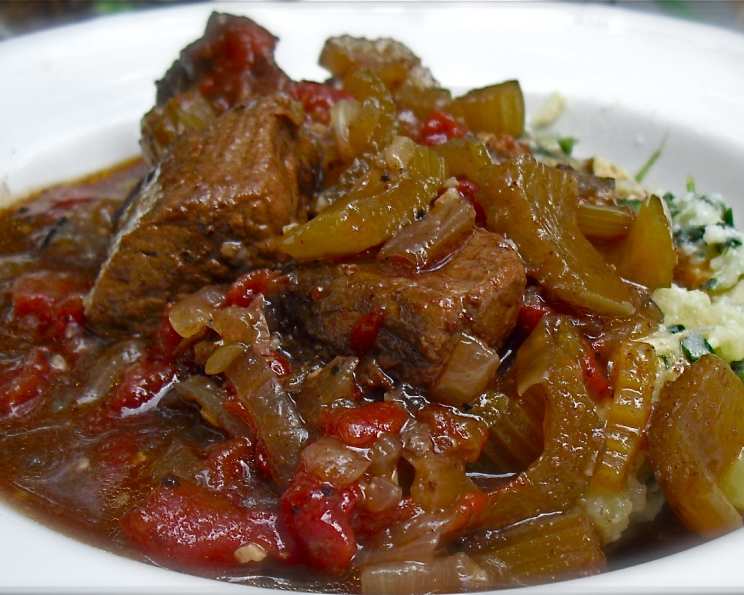
Roman Stew: A Journey Back to Ancient Flavors in Your Slow Cooker
There are dishes that warm you from the inside out, and then there are dishes that transport you. Roman Stew, for me, falls squarely into the latter category. I remember the first time I encountered a recipe inspired by ancient Roman cooking; it was a revelation. The scent of exotic spices, unfamiliar yet strangely comforting, wafted from the slow cooker, hinting at trade routes and bustling marketplaces of millennia past. This particular iteration, with its deep, savory notes and subtle sweetness, feels like a direct link to that ancient world, a testament to how enduring good food can be across the ages. It’s a humble dish, built for sustenance, yet it carries an undeniable sense of history and culinary adventure.
Recipe Overview
- Prep Time: 20 minutes
- Cook Time: 7 to 8 hours
- Total Time: 7 hours 20 minutes
- Servings: 8
- Yield: 1 slow cooker full of stew
- Dietary Type: Dairy-Free, can be Gluten-Free depending on wine and serving options
Ingredients
- 3 lbs beef stew meat, cut into 1-inch cubes
- 3 tablespoons olive oil
- 4 garlic cloves, minced
- 2 cups celery, sliced
- 1 medium onion, peeled and sliced
- 1 teaspoon salt
- 1 ¼ teaspoons ground cinnamon
- ¼ teaspoon ground cloves
- 1 ¼ teaspoons pepper
- ⅛ teaspoon ground allspice
- ⅛ teaspoon ground nutmeg
- 14.5 ounces diced tomatoes, undrained
- ½ cup dry red wine
Equipment Needed
- Large skillet
- Slow cooker (4-quart or larger)
- Tongs or slotted spoon
Instructions
- Sear the Beef: Begin by heating the olive oil in a large skillet over medium-high heat. Working in batches to avoid overcrowding the pan, brown the beef stew meat on all sides until a rich, golden-brown crust forms. This step is crucial for developing deep flavor and a more tender texture in the finished stew. Use tongs or a slotted spoon to transfer the browned beef to your slow cooker insert.
- Add Aromatics and Spices: Once all the beef has been transferred to the slow cooker, add the minced garlic cloves, sliced celery, and sliced onion to the insert with the meat. Next, generously sprinkle the salt, ground cinnamon, ground cloves, pepper, ground allspice, and ground nutmeg over the beef and vegetables. These warming spices are the soul of this Roman-inspired dish.
- Incorporate Liquids: Pour the undrained diced tomatoes and the dry red wine directly over the beef, vegetables, and spices in the slow cooker. The tomatoes will provide acidity and body, while the wine adds depth and complexity to the sauce.
- Slow Cook to Perfection: Cover the slow cooker tightly with its lid. Set the slow cooker to the low setting and allow it to cook for 7 to 8 hours. This long, slow cooking process will break down the connective tissues in the beef, rendering it incredibly tender and allowing the flavors to meld beautifully.
- Thicken if Desired (Optional): If you prefer a thicker sauce for your stew, you can thicken it at the end of the cooking time. In a small bowl, whisk together 1 tablespoon of cornstarch with 2 tablespoons of cold water until smooth. Stir this mixture into the stew in the slow cooker and cook on high for an additional 15-20 minutes, or until the sauce has thickened to your liking.
Expert Tips & Tricks
The beauty of this Roman Stew lies in its simplicity, but a few professional touches can elevate it even further. When searing the beef, resist the urge to overcrowd the pan. This ensures a proper sear rather than steaming the meat, which is essential for developing rich flavor. If you don’t have red wine, a dry sherry or even a splash of balsamic vinegar can add a similar depth, though the wine is traditional here. Don’t be shy with the spices; they are what make this dish sing with ancient character. For an extra layer of aroma, consider adding a bay leaf during the slow cooking process, remembering to remove it before serving.
Serving & Storage Suggestions
This hearty Roman Stew is wonderfully versatile. Its rich, spiced sauce makes it an ideal accompaniment to crusty bread for soaking up every last drop. For a more substantial meal, serve it spooned generously over fluffy steamed rice or creamy mashed potatoes. It also pairs beautifully with a simple green salad to provide a fresh contrast. Leftovers can be stored in an airtight container in the refrigerator for up to 3-4 days. Reheat gently on the stovetop or in the microwave, adding a splash of water or broth if the stew appears a little dry. It also freezes beautifully for future meals.
Nutritional Information
(Please note: Nutritional information is an estimate and can vary based on specific ingredients used.)
| Nutrient | Amount per Serving | % Daily Value |
|---|---|---|
| Calories | 298.4 kcal | |
| Calories from Fat | 116 kcal | |
| Total Fat | 12.9 g | 19% |
| Saturated Fat | 4 g | 20% |
| Cholesterol | 108.9 mg | 36% |
| Sodium | 451.3 mg | 18% |
| Total Carbohydrate | 5.8 g | 1% |
| Dietary Fiber | 1.6 g | 6% |
| Sugars | 2.5 g | 10% |
| Protein | 37.9 g | 75% |
Variations & Substitutions
While this recipe is a delightful representation of Roman-inspired flavors, feel free to explore variations. For a richer, more robust stew, consider using beef chuck roast cut into larger chunks, which will break down beautifully over the long cooking time. If you’re looking for a slightly sweeter profile, a pinch of sugar or a tablespoon of honey can be added along with the tomatoes. For those who prefer not to use wine, a good quality beef broth or even water can be substituted, though it will slightly alter the depth of flavor. To incorporate more vegetables, consider adding diced carrots or parsnips in the last 2-3 hours of cooking.
FAQs
Q: What makes this stew taste “Roman”?
A: The unique blend of warm, aromatic spices like cinnamon, cloves, allspice, and nutmeg, combined with ingredients common in ancient Roman cuisine such as olive oil, wine, and hearty meats, evokes the flavors of that era.
Q: Can I use a different cut of beef?
A: Yes, while beef stew meat is ideal, beef chuck roast cut into larger cubes will also work well and yield a very tender result.
Q: My stew sauce isn’t thick enough. What can I do?
A: As mentioned in the instructions, you can thicken the sauce at the end by stirring in a slurry of cornstarch mixed with water. Alternatively, you can remove the lid for the last hour of cooking on low to allow some of the liquid to evaporate, naturally concentrating the sauce.
Q: How long can I cook this stew on high?
A: If you need to speed up the cooking process, you can cook this stew on the high setting for approximately 3 to 4 hours. However, the low and slow method is recommended for the most tender meat and deepest flavor development.
Q: Can I add other vegetables to this stew?
A: Absolutely! Carrots, parsnips, or even hearty greens like kale can be added. For root vegetables, add them with the initial ingredients. For heartier greens, add them in the last hour of cooking.
Final Thoughts
This Roman Stew is more than just a meal; it’s an experience. It’s a testament to the enduring power of simple, quality ingredients and thoughtful spice combinations. The slow cooker works its magic, transforming humble components into a rich, aromatic dish that speaks of history and comfort. I encourage you to gather your ingredients, embrace the patience that slow cooking requires, and let the tantalizing aroma fill your kitchen. Serve it proudly, share it with loved ones, and savor the echoes of ancient feasts in every delicious bite. Enjoy the journey!