
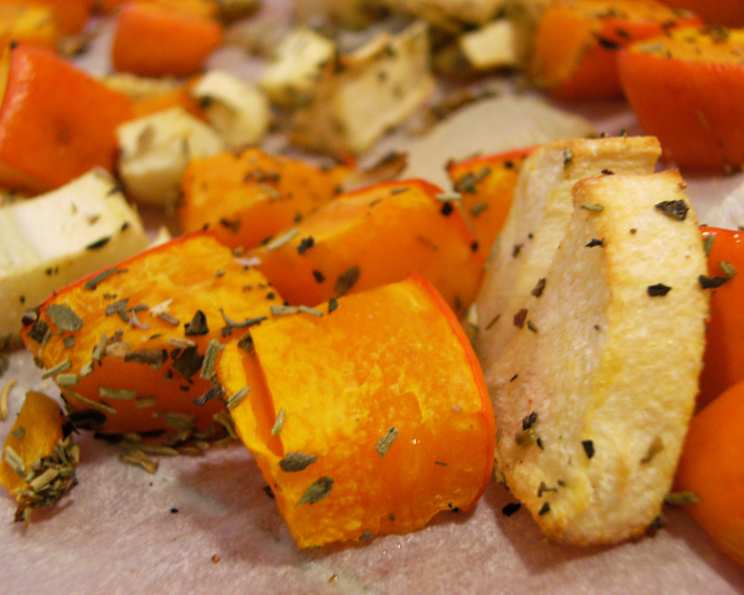
The Golden Embrace: Mastering Roasted Winter Root Vegetables
There’s a certain magic that happens when winter’s humble roots meet the fierce kiss of a hot oven. I remember, as a young apprentice in a bustling restaurant kitchen, the aroma that would fill the air on a chilly autumn evening – a deep, sweet, earthy perfume that promised warmth and comfort. We’d be coaxing these sturdy vegetables – carrots, parsnips, sweet potatoes, and more – into a state of pure deliciousness, their natural sugars caramelizing into a glistening, savory symphony. It’s a simple alchemy, really, but one that always felt like a chef’s secret weapon for transforming the ordinary into the extraordinary, especially when served alongside a perfectly roasted ham.
Recipe Overview
- Prep Time: 15 minutes
- Cook Time: 25 to 30 minutes
- Total Time: 40 to 45 minutes
- Servings: 6 to 8
- Yield: 1 large batch of roasted vegetables
- Dietary Type: Vegan, Gluten-Free, Dairy-Free
Ingredients
This recipe celebrates the inherent sweetness of root vegetables, amplified by the high heat of roasting. The simplicity of the ingredients allows the natural flavors to shine.
- 1 ½ pounds sweet potatoes, peeled and cut into 1 ½ inch pieces
- ¾ pound turnip, peeled and cut into 1 ½ inch pieces
- 1 large onion, peeled and cut into 1 ½ inch wedges
- 6 garlic cloves, peeled
- 3 tablespoons olive oil
- 1 tablespoon rosemary, fresh and chopped
- 1 tablespoon oregano (or 1 tablespoon marjoram), fresh and chopped
- 1 teaspoon salt
Equipment Needed
- Large mixing bowl
- Large roasting pan or broiler pan
- Oven
Instructions
The beauty of roasting root vegetables lies in its straightforward, yet transformative, process. The key is a hot oven and a single layer for optimal caramelization.
- Begin by preparing your vegetables. In a large mixing bowl, combine the sweet potatoes, turnip, onion, and garlic cloves. Ensure all pieces are cut to a uniform size (approximately 1 ½ inches) to promote even cooking.
- Drizzle the olive oil over the vegetables in the bowl. Toss everything thoroughly to ensure each piece is lightly coated with oil. This coating is crucial for achieving those desirable browned edges and preventing sticking.
- Arrange the oiled vegetables in a single layer in a large roasting pan or broiler pan. It’s imperative that the vegetables are not overcrowded; this allows the hot air to circulate freely, leading to roasting and caramelization rather than steaming. If your pan is too small, it’s better to use two pans to ensure a single layer.
- Preheat your oven to a robust 450°F (230°C). This high temperature is essential for quickly developing a flavorful crust and tender interior.
- Place the roasting pan into the preheated oven. Roast for 25 to 30 minutes, or until the vegetables are tender and beautifully browned.
- Every 10 minutes during the roasting process, gently stir the vegetables. This simple action ensures that all sides of the vegetables get exposure to the hot oven, promoting even browning and preventing any one side from burning.
- Once the vegetables have reached your desired level of tenderness and caramelization, remove the pan from the oven.
- Just before serving, stir in the chopped fresh rosemary and oregano (or marjoram), along with the salt. Tossing them in at the end preserves their fresh aroma and flavor, preventing them from burning during the long roast.
Expert Tips & Tricks
- Uniformity is Key: Cutting your vegetables into consistent 1 ½ inch pieces is paramount. This ensures that everything cooks through at roughly the same rate, preventing some pieces from being burnt while others are still raw.
- Don’t Crowd the Pan: As mentioned, a single layer is non-negotiable for achieving proper caramelization. If you try to cram too many vegetables into one pan, they will steam instead of roast, resulting in a less appealing texture and flavor.
- High Heat is Your Friend: The 450°F temperature might seem high, but it’s what transforms these sturdy roots. It quickly sears the outside, locking in moisture and creating those delightful crispy edges.
- Taste and Adjust: While the recipe calls for 1 teaspoon of salt, always taste the final product before serving. Depending on the natural salinity of your vegetables and your personal preference, you might want to add a little more salt to truly make the flavors pop.
Serving & Storage Suggestions
These roasted root vegetables are incredibly versatile. Serve them piping hot directly from the oven as a hearty side dish. They are particularly wonderful alongside roasted meats like ham, turkey, or pork loin, but they also make a satisfying vegetarian main when paired with grains or a robust salad. For a delightful textural contrast, a sprinkle of toasted nuts or seeds before serving can be a wonderful addition.
Leftovers can be stored in an airtight container in the refrigerator for up to 3-4 days. While they are best enjoyed fresh, they reheat beautifully. You can gently reheat them in a skillet over medium heat with a splash of water or broth to help them retain some moisture, or spread them on a baking sheet and reheat in a moderate oven (around 350°F or 175°C) for about 10-15 minutes until warmed through. They can also be incorporated into other dishes, such as frittatas, soups, or grain bowls.
Nutritional Information
| Nutrient | Amount per Serving | % Daily Value |
|---|---|---|
| Calories | 189 kcal | |
| Calories from Fat | 62 kcal | |
| Total Fat | 6.9 g | 10% |
| Saturated Fat | 1 g | 4% |
| Cholesterol | 0 mg | 0% |
| Sodium | 489.5 mg | 20% |
| Total Carbohydrate | 30.2 g | 10% |
| Dietary Fiber | 5 g | 19% |
| Sugars | 8 g | 32% |
| Protein | 2.7 g | 5% |
(Nutritional information is an estimate and can vary based on specific ingredients and portion sizes.)
Variations & Substitutions
While this recipe highlights a classic combination, the world of root vegetables is vast and exciting! Feel free to experiment with other sturdy root vegetables that roast well. Consider adding chunks of:
- Carrots: Their sweetness is a natural complement.
- Parsnips: Offer a subtly spiced, nutty flavor.
- Sweet Potatoes: Already included, but you could increase the quantity.
- Rutabaga: A delightful earthy sweetness.
- Celery Root (Celeriac): Adds a unique, slightly celery-like flavor.
- Butternut Squash or Acorn Squash: These winter squashes roast beautifully alongside root vegetables.
If you’re not a fan of rosemary or oregano, consider other robust herbs like thyme, sage, or a mix of Herbes de Provence. For a touch of heat, a pinch of red pepper flakes can be added to the olive oil.
FAQs
Q: Can I use dried herbs instead of fresh?
A: Yes, you can substitute dried herbs, but use them sparingly. Generally, use about one-third the amount of dried herbs compared to fresh (e.g., 1 teaspoon of dried rosemary instead of 1 tablespoon fresh). Add them earlier in the roasting process, or toss them in during the last 10-15 minutes, to prevent them from burning.
Q: My vegetables aren’t browning. What am I doing wrong?
A: The most common reason is overcrowding the pan. Ensure your vegetables are in a single layer and have plenty of space around them for air circulation. Also, confirm your oven is preheated to the correct temperature (450°F/230°C).
Q: Can I add other vegetables to this recipe?
A: This recipe is best for sturdier root vegetables that can withstand high heat. Softer vegetables like bell peppers or zucchini would overcook. If you want to add other vegetables, consider roasting them separately or adding them in the last 15-20 minutes of cooking.
Q: How can I make this dish even more flavorful?
A: Before roasting, you can toss the vegetables with a tablespoon of balsamic vinegar or a touch of maple syrup for an extra layer of sweetness and complexity. A sprinkle of Parmesan cheese (if not making it vegan) or toasted nuts after roasting can also elevate the flavor profile.
Q: Is it important to peel the vegetables?
A: Peeling the sweet potatoes and turnips is recommended for a more tender result and to remove any tough outer skins. However, for vegetables like carrots or parsnips, if they are organic and well-scrubbed, you can often leave the skins on for added nutrients and texture. For this specific recipe, the instructions call for peeling.
Final Thoughts
There’s a primal satisfaction in transforming simple, earthy ingredients into something so profoundly delicious through the magic of heat. This roasted root vegetable recipe is a testament to that, a dish that speaks of comfort, abundance, and the sheer joy of good food. It’s a reminder that even the most straightforward preparations can yield extraordinary results. I encourage you to embrace this simple alchemy in your own kitchen, to gather these wonderful vegetables, and to let the oven do its transformative work. Enjoy these golden treasures, and perhaps pair them with a crisp white wine or a warming cider for a truly delightful experience.