
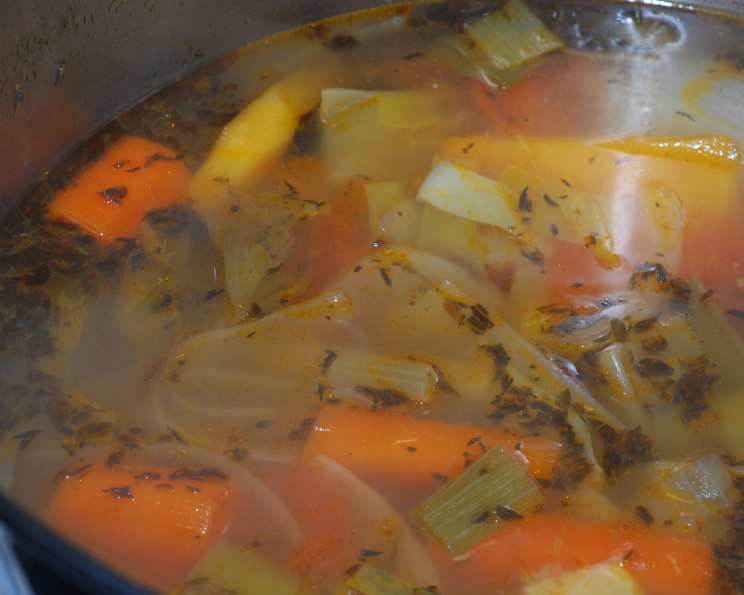
The Soul of Every Simmer: Mastering the Art of Roasted Vegetable Stock
There are certain foundational flavors in a professional kitchen that, while often unseen, are the very backbone of countless culinary creations. For me, roasted vegetable stock is one of those unsung heroes. I remember my first true foray into its magic during a particularly brisk autumn in culinary school. The air was crisp, and our assignment was to build a foundation for a hearty root vegetable soup. We tossed a medley of humble vegetables – carrots, onions, leeks, the woody stems of parsley – onto sheet pans, drizzled them with olive oil, and let the oven coax out their deepest, sweetest essences. The aroma that filled the kitchen, a rich tapestry of caramelized sugars and earthy notes, was nothing short of intoxicating. That deep, complex liquid, born from simple ingredients transformed by heat, became the soul of our soup, imbuing it with a warmth and depth I’d never achieved with mere water. It was a profound lesson: roasting isn’t just about browning; it’s about alchemy, turning the ordinary into the extraordinary.
Recipe Overview
- Prep Time: 15 minutes
- Cook Time: 1 hour 45 minutes
- Total Time: 2 hours
- Servings: 10-12
- Yield: Approximately 8 cups
- Dietary Type: Vegan, Gluten-Free, Dairy-Free
Ingredients
This recipe is designed to be incredibly forgiving, a wonderful way to utilize those last few odds and ends from your crisper drawer. Feel free to adapt based on what you have, but the core components bring a beautiful balance of sweetness, earthiness, and aromatic depth.
- 4 carrots, washed and cut into chunks
- 3 celery ribs, cut in half
- 2 tomatoes, quartered
- 2 turnips, cleaned, trimmed, and quartered
- 2 large onions, peeled and quartered
- 1 leek, trimmed and quartered
- 3 garlic cloves, peeled
- 2 teaspoons dried thyme
- 1/4 cup olive oil or 1/4 cup vegetable oil
- 8 cups water (or more, as needed)
- 1 bay leaf
Equipment Needed
- Large baking sheet with sides
- Large soup pot or stockpot
- Fine-mesh sieve or chinois
- Storage containers (plastic containers or freezer bags)
- Ice cube trays (optional, for freezing smaller portions)
Instructions
The process of creating this stock is a journey of transformation, where simple vegetables, through roasting and simmering, unlock their deepest flavors.
-
Preheat Your Oven: Begin by preheating your oven to 400 degrees Fahrenheit (200 degrees Celsius). This moderate heat is crucial for caramelizing the vegetables without burning them.
-
Prepare the Vegetables for Roasting: On a large baking sheet equipped with sides (to catch any delicious juices), spread out the prepared carrots, celery, tomatoes, turnips, onions, and leek. Ensure the vegetables are in a single layer as much as possible for even roasting.
-
Add the Aromatics: Scatter the peeled garlic cloves over the top of the vegetables.
-
Season and Oil: Sprinkle the vegetables evenly with the dried thyme. Then, drizzle them generously with the olive oil or vegetable oil. This oil will help conduct heat and promote beautiful browning.
-
Roast to Perfection: Place the baking sheet in the preheated oven and roast the vegetables for 1 hour. During this time, the vegetables will soften, their sugars will caramelize, and they will develop a deep, rich color. It’s beneficial to stir the vegetables once or twice during the roasting process to ensure even browning on all sides. You’re looking for a well-browned, almost slightly charred appearance, which signifies the development of maximum flavor.
-
Transfer to the Pot: Carefully transfer the roasted vegetables from the baking sheet to a large soup pot or stockpot.
-
Deglaze the Pan: This is where you capture all those precious caramelized bits that have stuck to the baking sheet. Pour a little hot water into the still-warm baking pan and scrape the bottom with a wooden spoon to loosen the browned bits. Add this flavorful liquid to the roasted vegetables in the pot.
-
Cover and Simmer: Add 8 cups of water to the pot, ensuring the vegetables are well covered. If they aren’t quite submerged, feel free to add a little more water. Add the bay leaf to the pot; this classic aromatic will lend a subtle, herbaceous depth to the stock.
-
Bring to a Simmer and Cook: Place the pot over medium-high heat and bring the liquid to a simmer. Once simmering, reduce the heat to low, cover the pot loosely, and cook for 45 minutes. This gentle simmering allows the flavors to meld and develop without becoming cloudy.
-
Cool and Strain: After 45 minutes of simmering, remove the pot from the heat. Allow the stock to cool slightly. Then, carefully strain the liquid through a fine-mesh sieve or a chinois into a clean bowl or another pot. Discard the solids; they have given all their flavor.
-
Store for Future Use: Once the stock has cooled completely, you can store it. Freeze the broth in quantities desired using plastic containers or zipper freezer bags. For added convenience and to capture even more flavor, consider freezing some broth in ice cube trays. These frozen cubes are perfect for deglazing pans, adding a quick burst of flavor to gravies, soups, and sauces, or even adding a savory depth to sautéed vegetables.
Expert Tips & Tricks
Creating a truly exceptional stock is about attention to detail and understanding how ingredients interact. Here are a few insights that elevate this humble roasted vegetable stock:
- Don’t Skimp on the Roasting: The browning of the vegetables is paramount. The deeper the roast, the richer and more complex your stock will be. If you find your vegetables aren’t browning sufficiently, you might need to roast them for a bit longer or ensure they aren’t overcrowded on the baking sheet, which can lead to steaming rather than roasting.
- Embrace Imperfect Produce: This stock is a champion of sustainability. Slightly wilted carrots, celery with a few browning spots, or the outer layers of an onion are all perfectly acceptable and will contribute wonderfully to the flavor profile. Just give them a good wash!
- The Power of the Scrape: Never underestimate the value of deglazing the baking pan. Those browned bits, known as fond, are pure flavor gold. A splash of hot water is usually sufficient to release them, but if you want an extra punch, you could use a little of the water you’ll eventually use for the stock.
- Customizable Aromatics: While the recipe calls for thyme and bay leaf, don’t hesitate to experiment. A sprig of rosemary, a few peppercorns, or even a sliver of ginger can add unique nuances. Just remember to strain them out with the vegetables.
- The Role of Salt: This recipe intentionally omits salt during the cooking process. This gives you complete control over the sodium content in your final dishes. You can season your soups, sauces, and gravies as you prepare them, using the stock as a flavorful, unsalted base.
Serving & Storage Suggestions
This roasted vegetable stock is incredibly versatile, acting as a foundational flavor enhancer for a multitude of dishes.
- Serving: Use it as the liquid base for soups, stews, risottos, and grain dishes. It’s also an excellent liquid for braising vegetables or as a pan sauce base. For a simple yet satisfying meal, a bowl of this stock with a few fresh herbs and a sprinkle of good quality olive oil is surprisingly delicious.
- Storage: Once completely cooled, store the stock in airtight containers in the refrigerator for up to 3-4 days. For longer storage, freeze it. In the freezer, it will remain at peak quality for up to 6 months. Freezing in ice cube trays is ideal for smaller, single-use portions. Thaw frozen stock in the refrigerator overnight or gently reheat it on the stovetop.
Nutritional Information
Please note: Nutritional values are approximate and can vary based on the specific vegetables used and any added ingredients.
| Nutrient | Amount per Serving (approx. 1 cup) | % Daily Value |
|---|---|---|
| Calories | 88.7 kcal | |
| Calories from Fat | 5.6 g | |
| Total Fat | 8 % | |
| Saturated Fat | 0.8 g | 3 % |
| Cholesterol | 0 mg | 0 % |
| Sodium | 50.1 mg | 2 % |
| Total Carbohydrate | 9.3 g | 3 % |
| Dietary Fiber | 2.3 g | 9 % |
| Sugars | 4.4 g | 17 % |
| Protein | 1.2 g | 2 % |
Variations & Substitutions
The beauty of roasted vegetable stock lies in its adaptability.
- Root Vegetable Focus: For an intensely earthy flavor, lean heavily on root vegetables like parsnips, sweet potatoes, or even a small piece of celeriac. Ensure they are roasted thoroughly.
- Herbaceous Boost: If you love the brightness of fresh herbs, consider adding stems from parsley, cilantro, or dill during the roasting stage. Just be mindful of their strong flavors; a little goes a long way.
- Mushroom Magic: Roasted mushrooms, especially cremini or shiitake, add a wonderful umami depth. Add them to the roasting pan with the other vegetables.
- Spicy Kick: For a touch of heat, toss a whole chili pepper or two into the roasting pan.
FAQs
Q: Can I use any vegetable scraps for this stock?
A: While this recipe uses specific vegetables, you can certainly use clean scraps like onion skins (for color), carrot peels, celery ends, and herb stems. Avoid cruciferous vegetables like broccoli or cabbage, as they can impart a bitter flavor.
Q: How do I prevent my stock from becoming cloudy?
A: Gently simmering the vegetables rather than boiling them vigorously will help keep the stock clear. Also, avoid over-stirring once the stock is simmering.
Q: What’s the difference between stock and broth?
A: Traditionally, stock is made with bones, providing more body and collagen, while broth is made with vegetables or sometimes meat without bones, resulting in a lighter flavor. However, in home cooking, the terms are often used interchangeably. This recipe, being purely vegetable-based, aligns with the definition of broth.
Q: Can I add salt to the stock while it’s cooking?
A: It’s generally recommended to salt your stock after it’s made or season your dishes individually. This gives you more control over the final taste of your meal.
Q: How long does roasted vegetable stock last in the refrigerator?
A: Properly stored in an airtight container in the refrigerator, it should last for 3 to 4 days. Always check for any signs of spoilage before using.
Final Thoughts
This roasted vegetable stock is more than just a recipe; it’s an invitation to build flavor from the ground up. It’s a testament to the magic that happens when simple ingredients are treated with heat and patience. Whether you’re a seasoned chef or just beginning your culinary adventure, the process of creating this golden elixir will fill your kitchen with an irresistible aroma and equip you with a foundational ingredient that will elevate your cooking to new heights. So, gather those vegetables, embrace the transformation, and savor the depth of flavor you’ve so skillfully unlocked.