
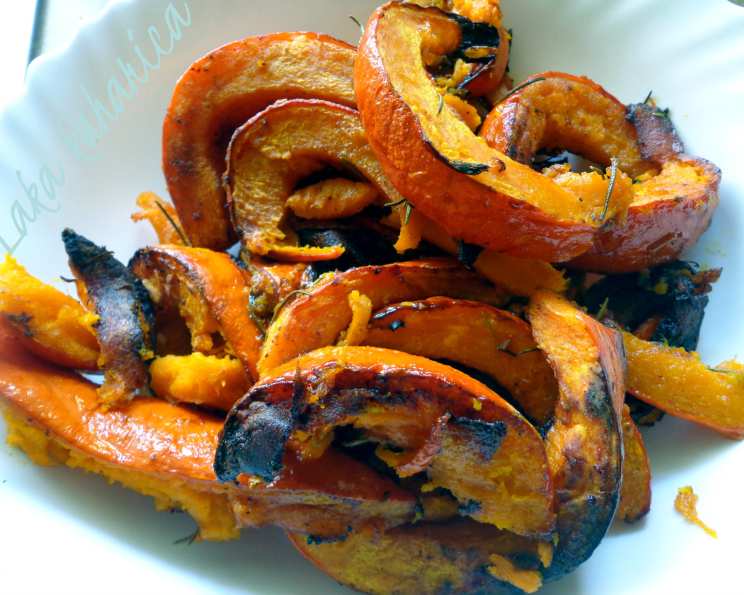
Roasted Orange Hokkaido Squash: A Symphony of Sweetness and Spice
There’s a certain magic that happens when humble ingredients are coaxed into something extraordinary by the transformative power of heat. For me, that magic is most vividly experienced with winter squash, particularly the jewel-toned Hokkaido. I remember a crisp autumn evening years ago, the air already hinting at frost, when I first stumbled upon this simple yet profound preparation. My grandmother, who possessed a seemingly innate talent for turning the garden’s bounty into culinary treasures, had roasted a Hokkaido squash for our supper. The aroma that filled her small kitchen – a fragrant blend of sweet squash, earthy rosemary, and a whisper of peppery warmth – was utterly captivating. That first bite, the tender flesh yielding to the fork, the subtle sweetness amplified by the roasting, and the gentle kick from the cayenne, was a revelation. It was more than just a side dish; it was an experience, a warm embrace on a cool evening.
Recipe Overview
- Prep Time: 15 minutes
- Cook Time: 20 to 30 minutes
- Total Time: 35 to 45 minutes
- Servings: 4
- Yield: Side Dish
- Dietary Type: Vegan, Gluten-Free, Dairy-Free
Ingredients
- 1 orange Hokkaido squash (approximately 1 to 1.5 pounds)
- 4–5 tablespoons olive oil
- 1 tablespoon coarse sea salt
- 1 tablespoon ground cayenne pepper
- 4–5 sprigs fresh rosemary
Equipment Needed
- Sharp knife
- Large spoon
- Baking sheet
- Tongs or spatula for flipping
Instructions
The beauty of this recipe lies in its profound simplicity, allowing the inherent flavors of the Hokkaido squash to shine. It’s a testament to how a few carefully chosen elements can elevate a dish from everyday to exceptional.
- Begin by thoroughly washing the exterior of your orange Hokkaido squash. Ensure it’s clean and free of any dirt or debris. Dry it completely with a clean kitchen towel. This step is important for a clean cut and to ensure the oil and seasonings adhere properly.
- Using a sturdy, sharp knife, carefully cut the squash into quarters. Be mindful of the dense flesh and the round shape. If the squash is particularly large or firm, you may find it easier to cut it in half first, then quarter each half.
- With a large spoon, scoop out the seeds and fibrous strings from the center of each quarter. For the best results, ensure you remove all of the pulp. You can reserve these seeds for roasting later, if you wish, but for this recipe, they are not used.
- Next, cut the squash quarters into thick slices. Aim for slices that are roughly ¾-inch to 1-inch thick. This ensures they cook evenly and develop a lovely tender texture without becoming mushy.
- Arrange the thick slices of squash in a single layer on a baking sheet. It’s crucial that the squash is not overcrowded, as this will steam rather than roast, preventing the development of those desirable crispy edges and caramelized flavors.
- Drizzle the squash slices liberally with olive oil. Aim for about 4–5 tablespoons, ensuring each piece gets a good coating.
- Now, sprinkle the squash with coarse sea salt and ground cayenne pepper. The salt will enhance the squash’s natural sweetness, while the cayenne provides a gentle warmth that beautifully complements the rich flavor.
- Using your hands, toss the slices gently to ensure each piece is thoroughly coated with the olive oil, salt, and cayenne pepper. This is where the hands-on approach really makes a difference, ensuring an even distribution of seasonings.
- Add the torn sprigs of fresh rosemary to the baking sheet, scattering them amongst the squash slices. The heat of the oven will release the rosemary’s aromatic oils, infusing the squash with its distinctive piney fragrance. You can tear the sprigs slightly to expose more of the needles and thus, more flavor.
- Roast the slices in a preheated oven at 200°C (approximately 400°F). The roasting time will be between 20 to 30 minutes.
- Flip the squash slices midway through the baking process. This ensures even cooking and caramelization on both sides.
- The squash is cooked through and golden when it is tender when pierced with a fork and has developed slightly caramelized edges. The exact time will depend on the thickness of your slices and your oven. Keep an eye on it during the last few minutes of cooking.
- Once cooked to perfection, serve the roasted squash immediately as a delectable side dish to meat roasts, poultry, or even as a star on a vegetarian plate.
Expert Tips & Tricks
When working with Hokkaido squash, you’ll notice it has a wonderfully smooth skin that is edible and delicious when roasted, so there’s no need to peel it. This makes preparation a breeze! For an extra layer of flavor, you can add a touch of honey or maple syrup along with the olive oil before roasting, but I find the natural sweetness of a well-roasted Hokkaido is often all that’s needed. If you find your oven tends to run hot, consider using the lower end of the temperature range (200°C) or checking the squash a few minutes earlier to prevent over-browning.
Serving & Storage Suggestions
This Roasted Orange Hokkaido Squash is a versatile side dish, perfect for a Sunday roast or a weeknight meal. It pairs beautifully with roasted chicken, pork tenderloin, or pan-seared fish. For a vegetarian or vegan meal, it can be served alongside hearty grain dishes or lentil stews.
Leftovers can be stored in an airtight container in the refrigerator for up to 3 days. Reheat gently in a moderate oven or in a sauté pan with a splash of olive oil to revive its texture. While it’s best served fresh, roasted squash also makes a wonderful addition to salads or grain bowls the next day.
Nutritional Information
This nutritional information is an estimate and can vary based on the size of the squash and the exact quantities of oil and seasonings used.
| Nutrient | Amount per Serving | % Daily Value |
|---|---|---|
| Calories | 123.5 kcal | |
| Calories from Fat | ||
| Total Fat | 13.7 g | 21% |
| Saturated Fat | 1.9 g | 9% |
| Cholesterol | 0 mg | 0% |
| Sodium | 1744.8 mg | 72% |
| Total Carbohydrate | 0.8 g | 0% |
| Dietary Fiber | 0.4 g | 1% |
| Sugars | 0.1 g | 0% |
| Protein | 0.2 g | 0% |
Variations & Substitutions
While Hokkaido squash is ideal, if you can’t find it, other varieties like Kabocha squash or even butternut squash can be used, though they may require a slightly different cooking time. For a different spice profile, consider swapping the cayenne pepper for a pinch of smoked paprika or a touch of chili flakes for a more pronounced heat. Fresh thyme can also be used in place of rosemary for a brighter, more herbaceous note.
FAQs
Q: Can I prepare the squash ahead of time?
A: You can wash, seed, and slice the squash a day in advance and store it in an airtight container in the refrigerator. However, it’s best to season and roast it just before serving for optimal texture and flavor.
Q: Is the skin of the Hokkaido squash edible?
A: Yes, the skin of the Hokkaido squash is thin and tender, becoming perfectly edible and quite delicious when roasted. There’s no need to peel it.
Q: What makes the cayenne pepper a good addition?
A: The subtle heat from the cayenne pepper provides a delightful contrast to the squash’s natural sweetness, creating a more complex and satisfying flavor profile.
Q: Can I use dried rosemary if fresh is unavailable?
A: Yes, you can use dried rosemary. Use about 1 to 1.5 teaspoons of dried rosemary in place of the fresh sprigs, and add it with the other seasonings before roasting.
Q: My squash is cooking too quickly on the outside and is still hard inside. What went wrong?
A: This usually happens if the oven temperature is too high or if the squash slices are too thin. Ensure your oven is at the correct temperature (200°C) and cut your slices to be at least ¾-inch thick. Flipping them midway also helps ensure even cooking.
Final Thoughts
This Roasted Orange Hokkaido Squash is a dish that truly embodies the philosophy of simple elegance. It’s a reminder that with quality ingredients and a touch of thoughtful preparation, we can create food that nourishes both the body and the soul. I encourage you to try this recipe, to taste the subtle sweetness, feel the tender texture, and appreciate the warming spice. It’s a dish that has brought joy to my table countless times, and I hope it does the same for yours. Share your creations, your thoughts, and perhaps even your own variations. Until then, may your kitchens be filled with delicious aromas and your tables with good company.