
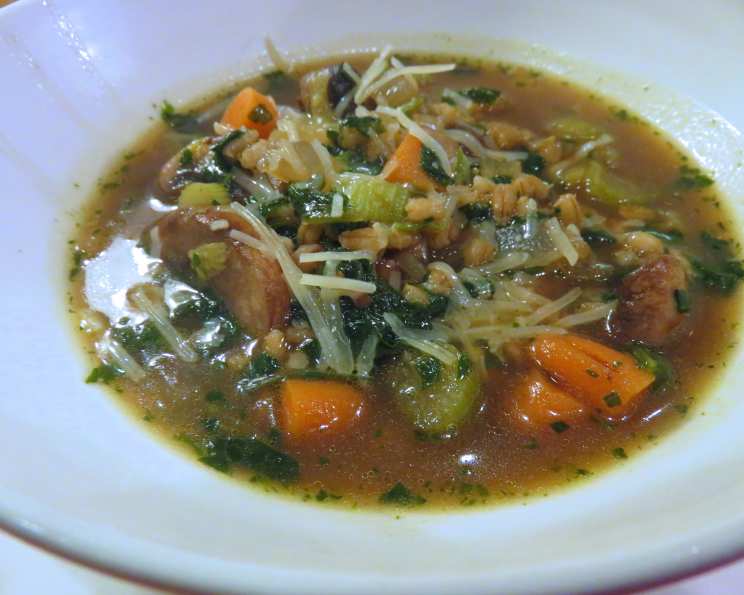
The Soul of the Earth: Crafting an Unrivaled Roasted Mushroom Stock
There are certain aromas that transport me instantly. The scent of roasting mushrooms, deep and earthy, with a hint of caramelization, is one of them. It always reminds me of brisk autumn walks in the woods, followed by returning to a warm kitchen, the promise of something deeply nourishing simmering on the stove. This roasted mushroom stock, in particular, holds a special place. It’s not just an ingredient; it’s the very soul of my favorite mushroom barley soup, transforming it from a simple dish into a luxurious, deeply flavorful experience. The extra step of roasting the mushrooms before simmering unlocks a complexity that no other method can replicate.
Recipe Overview
- Prep Time: 30 minutes
- Cook Time: 1 hour 10 minutes
- Total Time: 1 hour 40 minutes
- Servings: 6
- Yield: 3 Cups
- Dietary Type: Vegan, Gluten-Free, Dairy-Free
Ingredients
- 2 lbs button mushrooms, quartered
- 1 medium onion, coarsely chopped
- 4 garlic cloves
- 6 tablespoons extra-virgin olive oil (or 6 tablespoons vegetable oil)
- Sea salt or kosher salt, to taste
- Freshly ground black pepper, to taste
- 3-4 branches fresh thyme
- 6 cups water
Equipment Needed
- Large bowl
- Two baking pans (rimmed baking sheets are ideal)
- Large saucepan
- Fine sieve
- Clean pan for reduction
Instructions
-
Begin by preheating your oven to 400°F (200°C). This high heat is crucial for achieving that deep, savory caramelization of the vegetables.
-
In a large bowl, combine the quartered button mushrooms, coarsely chopped onion, and garlic cloves.
-
Drizzle the 6 tablespoons of extra-virgin olive oil (or vegetable oil) over the vegetables.
-
Season generously with 1/2 teaspoon of salt and a good grinding of freshly ground black pepper. Toss everything together well, ensuring the vegetables are evenly coated with the oil and seasonings.
-
Divide the seasoned mushroom mixture between two baking pans, spreading it out in a single layer. This allows for even roasting and prevents the vegetables from steaming instead of caramelizing.
-
Roast the vegetables for 25 to 30 minutes. You are looking for them to become deep brown and caramelized. Keep an eye on them during the last few minutes of roasting to prevent burning, but don’t be afraid of a good char – that’s where the flavor is!
-
Once roasted to perfection, carefully transfer the mushroom mixture from the baking pans into a large saucepan.
-
Add the 6 cups of water and the 3-4 branches of fresh thyme to the saucepan.
-
Place the saucepan over medium-high heat and bring the liquid to a boil.
-
Once boiling, reduce the heat to low, cover the saucepan, and simmer uncovered for 40 minutes. The goal here is for the mushrooms to impart all their delicious flavor into the liquid.
-
After simmering, strain the stock through a fine sieve into a clean pan. It’s important to press hard on the mushrooms with the back of a spoon or a spatula to extract as much liquid and flavor as possible. Discard the solids.
-
Finally, place the strained stock over medium-high heat and bring it to a boil. Cook until reduced to 3 cups. This concentration step intensifies the flavor and creates a richer, more viscous stock.
Expert Tips & Tricks
- Mushroom Variety: While button mushrooms are excellent for this recipe, don’t shy away from using other varieties like cremini, shiitake, or even a mix for a more complex flavor profile. Just ensure they are clean and free of grit.
- Roasting is Key: The browning of the mushrooms and onions is paramount. This Maillard reaction creates those deep, complex, savory notes. If your vegetables aren’t deeply browned, your stock will lack depth.
- Don’t Overcrowd the Pans: When roasting, ensure the vegetables have space. Overcrowding will lead to steaming, not caramelization, and a less flavorful stock.
- Herb Power: Thyme is a classic pairing, but you could also add a sprig of rosemary or a bay leaf during the simmering stage for subtle variations in aroma. Just remember to remove them before straining.
- Deglazing the Pans: After roasting, don’t rinse your roasting pans. After transferring the vegetables to the saucepan, add a splash of water to the hot roasting pans and scrape up any browned bits from the bottom. This fond is pure flavor gold and can be added to the stockpot.
Serving & Storage Suggestions
This roasted mushroom stock is incredibly versatile. It’s a phenomenal base for soups, stews, risottos, and sauces. For a simple, elegant serving, you can use it as the liquid for cooking rice or grains, adding a rich, savory dimension.
Storage:
- Room Temperature: This stock should not be left at room temperature for more than 2 hours.
- Refrigerator: Cooled stock can be stored in an airtight container in the refrigerator for up to 3-4 days.
- Freezer: For longer storage, allow the stock to cool completely, then portion it into airtight containers or ice cube trays. Once frozen, transfer the cubes to a freezer bag. It will keep well in the freezer for up to 3 months.
- Reheating: To reheat, gently warm the stock on the stovetop over medium heat.
Nutritional Information
| Nutrient | Amount per Serving (approx.) | % Daily Value (approx.) |
|---|---|---|
| Calories | 163 kcal | 8% |
| Total Fat | 14 g | 18% |
| Saturated Fat | 1.9 g | 10% |
| Cholesterol | 0 mg | 0% |
| Sodium | 8.9 mg | 0% |
| Total Carbohydrate | 7.3 g | 3% |
| Dietary Fiber | 1.9 g | 7% |
| Sugars | 3.8 g | 4% |
| Protein | 5 g | 10% |
Note: Nutritional information is an estimate and can vary based on specific ingredients and preparation methods.
Variations & Substitutions
- Mushroom Blend: While button mushrooms are the star here, feel free to experiment with a medley of wild mushrooms like shiitake, oyster, or porcini for an even deeper, more complex umami flavor. Dried mushrooms, rehydrated, can also be added for an intense boost.
- Vegetable Aromatics: Beyond onion and garlic, you can add a carrot or a stalk of celery to the roasting mix for a subtler sweet and aromatic base. Just remember to chop them coarsely.
- Herbal Infusion: Experiment with other fresh herbs like rosemary or sage during the simmering process. A bay leaf can also add a subtle depth.
FAQs
Q: Why do I need to roast the mushrooms and onions first?
A: Roasting develops deep, caramelized flavors through the Maillard reaction, which is essential for a rich and savory stock.
Q: Can I use dried mushrooms in this recipe?
A: Yes, you can add dried mushrooms along with the fresh ones during the roasting phase, or rehydrate them and add them to the simmering liquid for an intense mushroom flavor.
Q: How can I make the stock richer and more concentrated?
A: The recipe already calls for reducing the stock to 3 cups, which concentrates the flavor. For an even richer stock, you can simmer it for longer, ensuring it doesn’t burn, or roast your mushrooms until they are very dark and almost leathery.
Q: What’s the best way to store this stock for later use?
A: Store cooled stock in airtight containers in the refrigerator for 3-4 days, or freeze it in portions for up to 3 months. Ice cube trays are great for small, convenient portions.
Q: Can I make this stock without any oil?
A: While oil helps with caramelization, you could try dry-roasting the vegetables in a well-seasoned cast-iron skillet over medium-high heat, stirring frequently, to achieve browning.
Final Thoughts
This roasted mushroom stock is a testament to the power of simple ingredients treated with care. It’s an alchemy of earthy flavors, transformed by heat and time into a liquid gold that elevates any dish it graces. Take the time to craft this foundational element, and you’ll be rewarded with a depth of flavor that speaks of the earth and the season. I encourage you to try it, taste the difference, and perhaps even discover your own favorite dishes to imbue with its magnificent essence. It pairs beautifully with anything that calls for a robust, savory backbone – think hearty stews, creamy risottos, or even just a simple, soul-warming broth.