
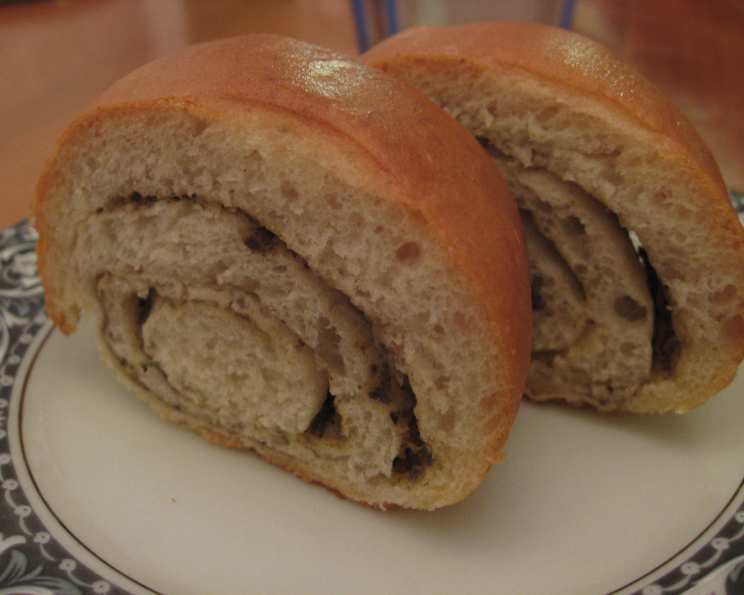
The Aromatic Allure of Roasted Garlic Bread
There are certain aromas that instantly transport you back to cherished moments, and for me, the scent of roasted garlic wafting from the oven is one of them. I can vividly recall my grandmother, a woman whose hands were as skilled with dough as they were with tending her garden, meticulously preparing a similar loaf for family gatherings. The way the papery skins of the garlic softened and caramelized, the subtle sweetness that emerged, and the promise of that deeply savory, almost nutty flavor – it was pure culinary magic. This recipe, a gem I discovered from Taste of Home, captures that essence beautifully, offering a bread that’s not just a side dish, but a comforting, flavorful experience.
Recipe Overview
- Prep Time: 45 minutes
- Cook Time: 35 minutes (for roasting garlic) + 20-25 minutes (for baking bread) = 55-60 minutes
- Total Time: 1 hour 40 minutes – 1 hour 45 minutes (allowing for dough rising)
- Servings: 20 (as two loaves)
- Yield: 2 loaves
- Dietary Type: Vegetarian
Ingredients
For the Roasted Garlic:
- 2 medium heads of garlic
- 2 teaspoons olive oil
For the Bread Dough:
- 1 (1/4 ounce) package active dry yeast
- 1 cup warm water (110°F-115°F)
- 1 tablespoon sugar
- 1 teaspoon salt
- 2 ½ – 3 cups all-purpose flour
For the Garlic Filling and Finishing:
- 2 tablespoons minced fresh sage OR 2 teaspoons rubbed sage
- 2 teaspoons minced fresh marjoram OR ¾ teaspoon dried marjoram
- 1 teaspoon minced fresh rosemary OR ½ teaspoon dried rosemary, crushed
- 2 tablespoons grated Parmesan cheese
- 1 tablespoon butter, melted
Equipment Needed
- Baking sheets
- Heavy-duty foil
- Small bowl
- Large mixing bowl
- Stand mixer with dough hook (optional)
- Measuring cups and spoons
- Sharp knife
- Wire racks
Instructions
- Roast the Garlic: Begin by preparing the garlic. Carefully remove the papery outer skin from the garlic heads, but be sure not to peel or separate the cloves just yet. This outer layer helps protect them as they roast. Next, cut the top off each garlic bulb, exposing the tops of the cloves. Brush the cut surfaces with olive oil. Then, wrap each bulb tightly in heavy-duty foil. Place the foil-wrapped garlic on a baking sheet and bake at 425°F for 30-35 minutes, or until the cloves are delightfully softened and fragrant.
- Cool and Extract Garlic: Once roasted, remove the garlic from the oven and allow it to cool for 10-15 minutes. This makes it safe to handle. When the garlic is cool enough, squeeze the softened cloves out of their skins into a small bowl. Discard the skins. Set this luscious roasted garlic aside.
- Activate the Yeast: While the garlic is cooling, let’s get started on the dough. In a large mixing bowl, dissolve the active dry yeast in the warm water. Ensure the water is within the specified temperature range for optimal yeast activation. Add the sugar and salt to the yeast mixture. Then, beat in 1 cup of all-purpose flour until the mixture is smooth.
- Form the Dough: Stir in enough of the remaining all-purpose flour to form a soft dough. You’ll likely need between 1 ½ and 2 cups more, depending on humidity and the flour’s absorption. The dough should be slightly sticky but manageable.
- Knead the Dough: Turn the dough out onto a lightly floured surface. Knead the dough until it is smooth and elastic, which typically takes about 6-8 minutes. If you have a stand mixer, you can use the dough hook attachment for this step, which will also take approximately the same amount of time.
- First Rise: Lightly coat a clean bowl with nonstick cooking spray. Place the kneaded dough into the coated bowl, turning it once to ensure the entire surface is lightly greased. Cover the bowl and let the dough rise in a warm place until doubled in size, which usually takes about 45 minutes.
- Prepare the Filling: While the dough is rising, prepare the flavor-packed filling. To the bowl containing the reserved roasted garlic, add the minced fresh sage (or rubbed sage), minced fresh marjoram (or dried marjoram), and minced fresh rosemary (or dried rosemary, crushed). Using the back of a spoon, mash everything together to create a wonderfully aromatic paste.
- Shape the Loaves: Once the dough has doubled, punch it down to release the air. Turn the dough out onto a lightly floured surface again. Divide the dough in half. For each half, roll it out into a 10″ x 8″ rectangle.
- Assemble the Filling: Spread each rectangle with half of the roasted garlic mixture, making sure to leave a ½-inch border around the edges. Sprinkle each rectangle with 1 tablespoon of Parmesan cheese, ensuring even distribution.
- Roll and Seal: Roll up each rectangle jelly-roll style, starting from one of the long sides. As you roll, ensure the filling is contained. Once rolled, pinch the seam and the ends to seal the loaves securely.
- Prepare for Baking: Coat a baking sheet with nonstick cooking spray. Place the rolled loaves seam side down on the prepared baking sheet. Tuck the ends under each loaf to create a neat shape.
- Second Rise: Using a sharp knife, make several slashes across the top of each loaf. This not only adds visual appeal but also helps the bread expand evenly as it bakes. Cover the loaves again and let them rise until doubled in size, which should take about 30 minutes.
- Bake the Bread: Preheat your oven to 375°F. Once the loaves have finished their second rise, bake them for 20-25 minutes, or until they are golden brown and sound hollow when tapped on the bottom.
- Finish and Cool: Immediately upon removing the loaves from the oven, transfer them to wire racks. While still warm, brush the tops with the melted butter. This adds a lovely sheen and extra layer of flavor. Allow the bread to cool slightly before slicing and serving.
Expert Tips & Tricks
- Garlic Roasting Perfection: The key to perfectly roasted garlic is the foil wrap. It traps steam, ensuring the cloves become incredibly tender and sweet without drying out. If your garlic heads are particularly large, you might need to extend the roasting time slightly by a few minutes, but always check for softness.
- Flour Power: The amount of flour needed can vary. Start with the lower end of the range (2 ½ cups) and add more as needed until you achieve a soft, slightly sticky dough. Over-flouring will result in a dense, dry bread.
- Warm Place for Rising: A truly warm place for the dough to rise is crucial. If your kitchen is cool, you can place the covered bowl in a slightly warmed oven (turned off!) or near a sunny window.
- Herb Freshness: While dried herbs are convenient, fresh herbs offer a brighter, more nuanced flavor. If using fresh, mince them very finely to ensure they distribute evenly throughout the filling.
- Parmesan Punch: The Parmesan cheese adds a delightful savory depth to the filling. Don’t skip it! For an even richer flavor, you could lightly toast the Parmesan before adding it to the dough.
Serving & Storage Suggestions
This Roasted Garlic Bread is best served warm, just after it’s come out of the oven. Slice it generously and enjoy it as a divine accompaniment to soups, stews, pasta dishes, or even a fresh salad. It’s also fantastic on its own as a flavorful snack.
For storage, allow the bread to cool completely at room temperature. Once cool, wrap it tightly in plastic wrap or place it in an airtight container. It will keep well at room temperature for 1-2 days. For longer storage, you can refrigerate it for up to 4-5 days. To reheat, wrap individual slices or a portion of the loaf in foil and warm in a 350°F oven for 10-15 minutes, or until heated through and the crust is re-crisped. You can also freeze the cooled bread, wrapped tightly, for up to 3 months. Thaw at room temperature or reheat directly from frozen in a moderate oven.
Nutritional Information
| Nutrient | Amount per Serving | % Daily Value |
|---|---|---|
| Calories | 76.7 kcal | |
| Calories from Fat | 12 g | |
| Total Fat | 1.4 g | 2% |
| Saturated Fat | 0.6 g | 2% |
| Cholesterol | 2 mg | 0% |
| Sodium | 129.3 mg | 5% |
| Total Carbohydrate | 13.8 g | 4% |
| Dietary Fiber | 0.6 g | 2% |
| Sugars | 0.7 g | 2% |
| Protein | 2.2 g | 4% |
Note: Nutritional values are approximate and can vary based on specific ingredients used.
Variations & Substitutions
- Cheesy Twist: For an extra cheesy kick, incorporate a tablespoon or two of shredded mozzarella or provolone into the garlic filling alongside the Parmesan.
- Herb Variations: While sage, marjoram, and rosemary are classic companions to garlic, feel free to experiment with other herbs. Thyme, oregano, or even a hint of chives can add delightful nuances.
- Spicy Kick: If you enjoy a little heat, a pinch of red pepper flakes added to the garlic filling can provide a subtle warmth that complements the garlic’s sweetness.
- Gluten-Free Option: While a true gluten-free version would require a different flour blend and potentially altered rise times, you could use a good quality all-purpose gluten-free flour blend in place of wheat flour, adjusting the liquid as needed to achieve a similar dough consistency.
FAQs
Q: Why do I need to roast the garlic separately before adding it to the bread?
A: Roasting garlic transforms its sharp, pungent flavor into a sweet, mellow, and deeply savory paste. This process is essential for the unique flavor profile of this bread.
Q: Can I use pre-minced garlic or garlic powder instead of fresh?
A: For this recipe, it’s best to use fresh garlic that you roast yourself. Pre-minced garlic often has a harsher flavor, and garlic powder lacks the nuanced sweetness achieved through roasting.
Q: My dough didn’t rise. What could be wrong?
A: The most common culprits are inactive yeast, water that was too hot or too cold, or a lack of a warm enough spot for rising. Ensure your yeast is fresh and the water is within the correct temperature range.
Q: How can I get a crispier crust on my roasted garlic bread?
A: To achieve a crispier crust, you can try baking the bread directly on an oven rack (if your loaves are sturdy enough to handle it) or on a preheated baking stone. You can also brush the loaves with a little extra water or milk just before baking.
Q: Can I make the dough ahead of time?
A: Yes, after the first rise, you can punch down the dough, wrap it tightly, and refrigerate it for up to 2 days. Allow it to come to room temperature for about 30-60 minutes before shaping and proceeding with the recipe.
Final Thoughts
There’s a simple, profound pleasure in sharing homemade bread, and this Roasted Garlic Bread is a testament to that. Its irresistible aroma and comforting, rich flavor are sure to become a favorite in your repertoire. Whether you’re serving it alongside a hearty meal or simply savoring a slice with a good cup of coffee, it’s a delightful expression of culinary warmth. I encourage you to give it a try, and I’d love to hear about your experiences and any creative twists you might add. Enjoy every delicious bite!