
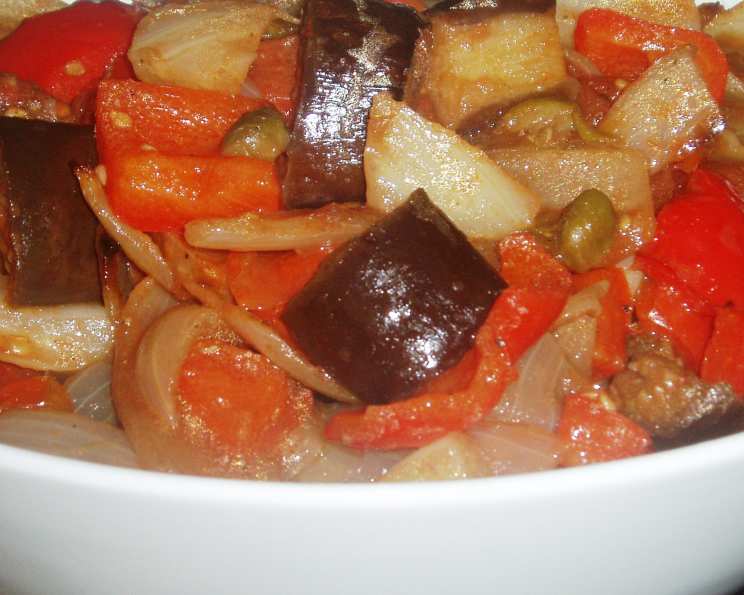
Roasted French Vegetables in Hot Balsamic and Olive Oil Dressing
There’s a certain magic that happens when humble vegetables are coaxed into something extraordinary through the transformative power of heat and a well-balanced dressing. I recall a crisp autumn evening in a small bistro nestled in the French countryside, the air alive with the murmur of conversation and the intoxicating scent of roasting produce. This dish, simple yet profoundly flavorful, was served as a vibrant accompaniment, its glossy, caramelized edges and deep, sweet-and-tangy aroma a testament to the kitchen’s respect for seasonal bounty. It’s a memory I return to often, a reminder that sometimes, the most profound culinary experiences come from the most straightforward preparations, elevated by quality ingredients and a touch of Mediterranean flair. This recipe, with its intense oven heat and a dressing that caramelizes as it cooks, truly captures that essence.
Recipe Overview
- Prep Time: 20 minutes
- Cook Time: 30-45 minutes
- Total Time: 50-65 minutes
- Servings: 6
- Yield: Approx. 6-8 cups
- Dietary Type: Vegan, Gluten-Free, Dairy-Free
Ingredients
The beauty of this dish lies in its simplicity, allowing the natural sweetness and character of each vegetable to shine. We’re looking for robust, colorful produce that can withstand high heat and absorb the rich dressing.
- 3 red peppers, seeds removed and quartered
- 6 garlic cloves, peeled and halved
- 4 onions, peeled and quartered
- 1 fennel bulb, trimmed and cut into wedges
- 2 aubergines (eggplants), cut into chunky cubes
- 6 tomatoes, quartered
- 1 tablespoon capers, drained
- 3 tablespoons balsamic vinegar
- 3 tablespoons extra virgin olive oil
- Salt, preferably sea salt, to taste
- Freshly ground black pepper, to taste
Equipment Needed
For this high-heat roasting method, a sturdy roasting tin is paramount.
- A large, heavy-duty roasting tin that can withstand high temperatures without warping.
- A wooden spoon or spatula for stirring the vegetables.
- A sharp knife and cutting board for preparing the vegetables.
Instructions
The key to unlocking the full potential of these French vegetables is a screaming hot oven and a dressing that will caramelize and deepen their flavors. Don’t be shy with the heat; it’s essential for achieving those coveted charred edges and tender-yet-firm texture.
- Preheat your oven to a vigorous 250°C (475°F). It’s crucial that your oven is fully preheated to this high temperature. This intense heat is what will achieve the beautiful caramelization and tenderization we’re aiming for.
- Select a large, robust roasting tin. It needs to be strong enough to handle the extreme heat without buckling.
- Prepare your vegetables: Quarter the red peppers after removing the seeds. Halve the peeled garlic cloves. Quarter the peeled onions. Trim and cut the fennel bulb into wedges. Cut the aubergines into chunky cubes. Quarter the tomatoes. Aim for pieces that are roughly the same size to ensure even cooking.
- Place all the prepared vegetables directly into the roasting tin. Distribute them evenly.
- In a small bowl, whisk together the balsamic vinegar and extra virgin olive oil.
- Season the dressing generously with salt, ideally sea salt, and freshly ground black pepper. Don’t be afraid to season well; the vegetables are quite absorbent.
- Add the drained capers to the balsamic and olive oil mixture.
- Pour this vibrant dressing evenly over the vegetables in the roasting tin.
- Using a wooden spoon or spatula, very carefully stir the vegetables to ensure they are all coated in the dressing. Be gentle to avoid breaking up the pieces too much.
- Roast the vegetables in the pre-heated, very hot oven for 30 to 45 minutes. Keep a close eye on them. They are ready when they are charred at the edges, tender, but not too mushy. They should still hold their shape beautifully. The exact time will depend on your oven and the size of your vegetable pieces.
Expert Tips & Tricks
Mastering this dish is about understanding how high heat transforms vegetables.
- Uniformity is Key: While we aim for roughly the same size, don’t stress over perfect uniformity. The slight variations will contribute to a more interesting texture and appearance. The goal is to avoid tiny pieces burning while larger ones remain undercooked.
- Don’t Crowd the Pan: If your roasting tin is too full, the vegetables will steam rather than roast. If necessary, use two tins or roast in batches. This is essential for achieving those lovely charred edges.
- Embrace the Char: Those slightly blackened edges are where the magic happens – they impart a wonderful depth of flavor and a pleasing bitterness that balances the sweetness of the caramelized vegetables.
- Quality Ingredients Matter: With so few components, the quality of your olive oil and balsamic vinegar will significantly impact the final taste. Use a good extra virgin olive oil and a decent balsamic vinegar for the best results.
Serving & Storage Suggestions
This dish is incredibly versatile and can be a star player or a brilliant supporting act.
Serve these Roasted French Vegetables hot, directly from the oven. They are fantastic alongside a roast chicken, grilled fish, or as a substantial side dish to any main course. They are also wonderful served over couscous, quinoa, or rice, or as a component in a larger vegetarian meal.
For an extra flourish, reserve the feathery fronds from the fennel bulb. Chop them finely and scatter them over the roasted vegetables just before serving for a pop of fresh green color and a hint of anise.
Leftovers can be stored in an airtight container in the refrigerator for up to 3 days. They can be enjoyed cold, at room temperature, or gently reheated in a moderate oven or microwave.
These roasted vegetables also freeze exceptionally well. Once completely cooled, transfer them to zip-lock bags or rigid plastic containers, ensuring they are well-sealed. They will keep in the freezer for up to 3 months. To reheat from frozen, simply bake in a moderate oven (around 180°C/350°F) until heated through, or microwave.
Variations & Substitutions
While this recipe is a classic for a reason, don’t hesitate to experiment with seasonal produce.
- Add Courgettes (Zucchini): If in season, chunky cubes of courgette are a wonderful addition. They roast beautifully and absorb the dressing well.
- Root Vegetables: Heartier root vegetables like carrots or parsnips could be added, but they may require a slightly longer cooking time or a head start in the oven due to their density.
- Herbs: While not in the original recipe, a sprig of fresh rosemary or thyme tucked amongst the vegetables during roasting can add another layer of aromatic complexity.
Nutritional Information
| Nutrient | Amount per Serving (approx.) | % Daily Value (approx.) |
|---|---|---|
| Calories | 190 kcal | 10% |
| Total Fat | 7.6 g | 11% |
| Saturated Fat | 1.1 g | 5% |
| Cholesterol | 0 mg | 0% |
| Sodium | 79.8 mg | 3% |
| Total Carbohydrate | 29.2 g | 9% |
| Dietary Fiber | 10.5 g | 41% |
| Sugars | 13.7 g | 54% |
| Protein | 4.8 g | 9% |
Note: Nutritional values are estimates and can vary based on specific ingredients and preparation methods.
FAQs
Q: Why is such a high oven temperature required for this recipe?
A: The very high oven temperature (250°C / 475°F) is essential for achieving the characteristic charring and caramelization on the edges of the vegetables, which contributes significantly to their flavor and texture. It also ensures they are tender without becoming mushy.
Q: Can I use other types of vinegar if I don’t have balsamic?
A: While balsamic vinegar provides a unique sweetness and depth that caramelizes beautifully, you could experiment with red wine vinegar or sherry vinegar for a tarter profile. Adjust sweetness to taste if necessary.
Q: My vegetables seem to be cooking unevenly. What can I do?
A: Ensure your vegetables are cut into roughly similar sizes. Also, avoid overcrowding the roasting tin, as this can lead to steaming rather than roasting, hindering the caramelization process. If some pieces are browning too quickly, you can carefully remove them while others continue to cook.
Q: Can I add other vegetables to this roast?
A: Absolutely! This recipe is highly adaptable. Consider adding courgettes, broccoli florets, cauliflower florets, or even firm mushrooms. Adjust cooking times as needed for denser vegetables.
Q: How can I use the leftover roasted vegetables in other dishes?
A: They are fantastic incorporated into vegetarian lasagne, shepherd’s pie, pasta bakes, or as a flavorful base for a hearty salad. They also add depth to omelets or frittatas.
Final Thoughts
There’s a certain rustic elegance to this dish that speaks volumes about the power of simple, well-executed cooking. The intense heat, the sweet tang of balsamic, the richness of olive oil, and the inherent sweetness of perfectly roasted vegetables combine to create a symphony of flavors and textures. It’s a dish that brings warmth to the table, a splash of vibrant color, and a taste of Mediterranean sunshine, no matter the season. I encourage you to try it, to embrace the slightly charred edges, and to experience the pure joy of vegetables cooked to perfection. Share it with loved ones, use it as a building block for other culinary creations, and savor every delicious bite.