
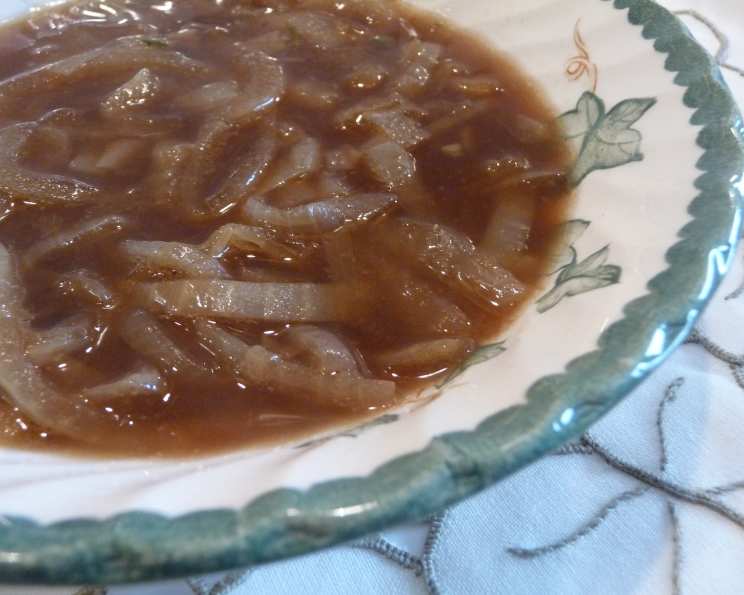
The Soul-Warming Embrace of Roasted French Onion Soup
There’s a certain alchemy that happens when onions are coaxed by heat, their sharp bite transforming into a profound sweetness. My earliest memories of French Onion Soup aren’t of fancy bistros, but of my grandmother’s modest kitchen, the air thick with the comforting aroma of slow-cooked onions. She’d meticulously slice each Spanish onion, her hands steady despite her age, and let them caramelize for what felt like an eternity. That soup, served with a crouton drowning in rich broth and crowned with bubbling Gruyère, was more than a meal; it was a warm hug on a chilly evening, a testament to the magic that can be conjured from humble ingredients. This recipe, a revised testament to that enduring comfort, truly unlocks the deepest flavors through the transformative power of roasting.
Recipe Overview
- Prep Time: 30 minutes
- Cook Time: 2 hours 20 minutes
- Total Time: 2 hours 50 minutes
- Servings: 12
- Yield: 10 cups
- Dietary Type: Vegetarian
Ingredients
For the Foundation:
- 1 tablespoon vegetable oil
- 1 large onion, chopped coarsely
- 12 garlic cloves, cloves separated, but unpeeled, just smashed
- 12 cups water
- 2-3 carrots, peeled and chopped
- 1 large potato, chopped
- 2-3 celery ribs, chopped
- 2 portabella mushrooms, chopped
- 2 bay leaves
- 1/4 teaspoon whole black peppercorns
- 1/2 teaspoon salt
- 6 whole cloves
For the Flavorful Onion Roast:
- 4-5 large Spanish onions
- 12 garlic cloves, crushed
- 1 teaspoon salt
- 2 tablespoons olive oil
- 4 bay leaves
- 1 teaspoon dried thyme
- 1 cup dry white wine
- 2 tablespoons soy sauce
- Salt and freshly ground black pepper, to taste
Equipment Needed
- Large soup pot or Dutch oven
- Two shallow, non-reactive baking pans
- Colander or fine-mesh sieve
- Oven
- Soup bowls
- Oven-safe crocks or ramekins (for serving, optional)
Instructions
-
Building the Flavorful Stock: Begin by preparing the base of your soup. In a large soup pot or Dutch oven, heat the vegetable oil over medium heat. Add the coarsely chopped onion and the smashed, unpeeled garlic cloves. Sauté these aromatics for about 8-10 minutes, or until they are lightly browned, allowing their initial sweetness to emerge.
-
Next, introduce the remaining ingredients for the stock into the pot: the water, chopped carrots, chopped potato, chopped celery ribs, chopped portabella mushrooms, bay leaves, whole black peppercorns, salt, and whole cloves.
-
Bring this mixture to a boil. Once boiling, reduce the heat to low, cover the pot, and let it simmer gently for approximately 50 minutes. The goal here is to allow the vegetables to become very soft and to fully infuse the water with their flavors.
-
Straining the Stock: After simmering, carefully strain the stock through a colander or a fine-mesh sieve into a separate bowl or container. Discard the solids; you want to capture all the liquid essence. Set this flavorful stock aside.
-
Roasting the Onions: While the stock is simmering, preheat your oven to 375°F (190°C).
-
In two shallow, non-reactive baking pans that are large enough to accommodate all your onions in a single layer, combine the sliced Spanish onions, crushed garlic cloves, salt, olive oil, bay leaves, and dried thyme. Toss everything together to ensure the onions are evenly coated.
-
Roast the onions in the preheated oven for 45 to 50 minutes. It’s important to stir them every 15 minutes to ensure even cooking and browning. The onions should soften and develop a light golden-brown hue. If you notice them browning too quickly, you can loosely cover the pans with foil.
-
Deglazing the Pan: Once the onions have softened and taken on a beautiful color, remove the baking pans from the oven. Pour the dry white wine directly into the hot baking pans. Stir well, scraping up any browned bits from the bottom of the pans – this is the crucial step of deglazing, which captures immense flavor.
-
Combining and Simmering: Now, add the roasted onions (along with the deglazing liquid from the pans) and the soy sauce to the reserved stock.
-
Cover the pot again and bring the soup to a boil. Once boiling, lower the heat and simmer for another 30-50 minutes. This extended simmer allows the flavors of the roasted onions to meld beautifully with the stock.
-
Final Seasoning: Before serving, discard the bay leaves. Taste the soup and add salt and freshly ground black pepper as needed to achieve your desired flavor balance.
Expert Tips & Tricks
The secret to an exceptional roasted French onion soup lies in patience and technique. When slicing your Spanish onions, aim for consistent thickness – about ¼ inch is ideal. This ensures they all caramelize at a similar rate. Don’t rush the roasting process; that deep, rich flavor develops over time. If your oven tends to run hot, don’t hesitate to use the foil tenting as instructed to prevent burning. For an even more intense onion flavor, you can caramelize the onions further on the stovetop before transferring them to the oven for roasting.
Serving & Storage Suggestions
To serve this soul-satisfying soup, ladle it into oven-safe bowls or crocks. Traditionally, a slice of toasted baguette is floated on top, followed by a generous grating of Gruyère cheese or a blend of your favorite melting cheeses. You can then place these under the broiler for a few minutes until the cheese is bubbly and golden brown.
Leftovers can be stored in an airtight container in the refrigerator for up to 3-4 days. To reheat, gently warm the soup on the stovetop over low heat, or in the microwave. If you plan to broil cheese on top, it’s best to do this only with the portion you are serving immediately.
Nutritional Information
| Nutrient | Amount per Serving | % Daily Value |
|---|---|---|
| Calories | 117.5 kcal | |
| Calories from Fat | 34 g | |
| Total Fat | 3.8 g | 5 % |
| Saturated Fat | 0.6 g | 2 % |
| Cholesterol | 0 mg | 0 % |
| Sodium | 488 mg | 20 % |
| Total Carbohydrate | 16.3 g | 5 % |
| Dietary Fiber | 2.9 g | 11 % |
| Sugars | 4.2 g | 16 % |
| Protein | 2.5 g | 5 % |
(Note: Nutritional values are approximate and can vary based on specific ingredients used.)
Variations & Substitutions
While this recipe is a vegetarian marvel, you can adapt it for a deeply savory meat-based broth. Using a good quality beef broth or homemade beef stock instead of the water base will impart a richer, more classic French onion soup flavor. For a gluten-free option, ensure your soy sauce is certified gluten-free or opt for tamari. The type of cheese can also be varied; while Gruyère is classic, Emmental, Comté, or even a sharp cheddar can be delicious.
FAQs
Q: Why do you roast the onions instead of just sautéing them for the base?
A: Roasting the onions at a higher temperature for an extended period encourages deeper caramelization and a more complex, sweet, and savory flavor profile than simple sautéing.
Q: Can I use yellow onions instead of Spanish onions?
A: Yes, yellow onions are a suitable substitute and will also yield delicious results. Spanish onions are often preferred for their sweetness and slightly milder flavor when cooked down.
Q: What kind of white wine is best for this soup?
A: A dry white wine such as a Sauvignon Blanc, Pinot Grigio, or unoaked Chardonnay works best. Avoid sweet wines, as they can overpower the delicate flavors of the soup.
Q: Can I make this soup ahead of time?
A: Yes, the soup can be made up to the point of adding the roasted onions and soy sauce, and stored in the refrigerator. Reheat, add the roasted onions, and simmer as directed. The bread and cheese topping is best added just before serving.
Q: How can I make sure my bread doesn’t get too soggy?
A: Toasting the bread until it’s quite firm, and then placing it on top of the soup just before broiling, will help it hold its structure. Some people also like to lightly brush the bread with garlic-infused olive oil before toasting for an extra flavor boost.
Final Thoughts
There’s a profound satisfaction in creating a dish that feels both timeless and deeply personal. This roasted French onion soup is a testament to that – a comforting classic elevated by a simple, yet transformative, roasting technique. It’s a soup that whispers tales of tradition and shouts with the vibrant flavors of well-loved ingredients. I encourage you to embrace the process, savor the aromas, and share this bowl of pure comfort with those you hold dear. Perhaps pair it with a crisp green salad and a glass of the same white wine you used in the recipe for a truly complete and delightful meal.