
The Humble Cauliflower Transformed: A Symphony of Sweetness and Savory Delight
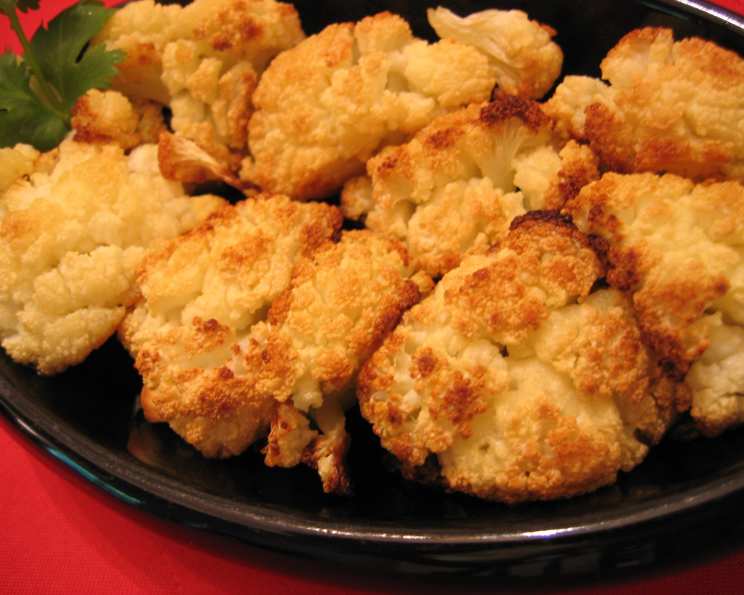
I still remember the moment the Surreal Gourmet, with his inimitable flair, coaxed a culinary miracle from a humble head of cauliflower on a Saturday morning television show. My initial skepticism, born from years of encountering bland, watery florets, was utterly dissolved by the sheer magic he conjured. What emerged was not just roasted vegetables; it was a revelation of caramelized edges and an impossibly sweet, nutty core, proving that even the most unassuming ingredients can achieve astonishing heights of flavor. This dish has since become a staple in my repertoire, a testament to the power of simple technique to unlock profound deliciousness, and it’s a dish that has converted even the staunchest cauliflower “haters” into devoted admirers.
Recipe Overview
- Prep Time: 15 minutes
- Cook Time: 1 hour
- Total Time: 1 hour 15 minutes
- Servings: 4
- Yield: 1 head of cauliflower
- Dietary Type: Vegan, Gluten-Free, Dairy-Free
Ingredients
This recipe celebrates the inherent goodness of cauliflower, allowing its natural sweetness to shine through with minimal intervention.
- 1 head cauliflower
- Olive oil
- Salt
- Pepper
Equipment Needed
While this recipe is beautifully straightforward, a few essential tools will ensure your success:
- Baking sheet
- Large bowl
- Tongs or a spatula for tossing
Instructions
The art of roasting cauliflower lies in high heat and ample surface area, encouraging those coveted caramelized bits that pack so much flavor.
- Begin by preheating your oven to a robust 450°F (230°C). This high temperature is crucial for achieving a beautifully browned and tender result.
- Prepare the cauliflower: Carefully remove the tough outer leaves and the fibrous core. You want to separate the head into manageable florets.
- Rinse the cauliflower under cool running water to remove any grit or debris.
- Pat the cauliflower thoroughly dry with a clean kitchen towel or paper towels. Moisture is the enemy of crispiness in roasting, so this step is quite important.
- Place the dried cauliflower florets into a large bowl.
- Drizzle a generous amount of olive oil over the cauliflower. Don’t be shy here; the oil is essential for both browning and carrying flavor. You want enough to lightly coat each floret.
- Add salt and pepper to taste. Start with a good pinch of salt and a few grinds of fresh black pepper, but adjust according to your preference.
- Toss the cauliflower with your hands or a spatula until each floret is evenly coated with the olive oil, salt, and pepper. Ensure there are no dry spots.
- Arrange the coated cauliflower in a single layer on a baking sheet. It’s vital that the florets are not crowded, as this will lead to steaming rather than roasting and browning. If necessary, use two baking sheets.
- Bake for one hour. During this time, you’ll want to turn the cauliflower every twenty minutes. This ensures that all sides of the florets get exposed to the heat, promoting even browning and caramelization.
Keep an eye on your cauliflower during the last 15-20 minutes of cooking. You’re looking for tender florets with deep golden-brown, almost blackened edges. The aroma filling your kitchen will be a tell-tale sign of its readiness.
Expert Tips & Tricks
To elevate your roasted cauliflower from good to exceptional, consider these culinary insights:
- Floret Size Matters: Aim for florets that are roughly the same size. This ensures they cook at a consistent rate. If you have very large florets and smaller ones, consider cutting the larger ones down to match.
- Don’t Fear the Brown Bits: Those dark, caramelized spots are where the flavor is! Resist the urge to pull the cauliflower out just because some edges are darker. That’s the sugar in the cauliflower caramelizing, creating a depth of flavor that is simply unparalleled.
- High Heat is Your Friend: As mentioned, 450°F is not a typo. It’s the key to achieving that desirable crispy exterior and tender interior. If your oven tends to run hot or cool, an oven thermometer can be invaluable.
- Pat Dry, Pat Dry, Pat Dry: I can’t stress this enough. The drier your cauliflower is before oiling and roasting, the better it will brown. Any excess water will turn to steam, hindering that beautiful caramelization.
- Season Generously: Cauliflower is a blank canvas, so don’t be shy with your seasonings. A good amount of salt and freshly ground black pepper will make a significant difference.
Serving & Storage Suggestions
Roasted cauliflower is incredibly versatile, serving as a magnificent side dish or even the star of a lighter meal.
This dish is best served warm, straight from the oven, to fully appreciate its tender texture and caramelized sweetness. It pairs wonderfully with grilled meats, fish, or as a flavorful component in grain bowls and salads. For an extra touch, a sprinkle of fresh parsley, a squeeze of lemon juice, or a dusting of grated Parmesan cheese (if not adhering to a strict vegan diet) can add another layer of brightness and savory complexity.
Leftover roasted cauliflower can be stored in an airtight container in the refrigerator for up to 3-4 days. While it loses some of its crispness upon refrigeration, it’s still delicious. To reheat, you can gently warm it in a skillet over medium heat with a touch of olive oil, or spread it on a baking sheet and pop it back into a moderate oven (around 350°F / 175°C) for about 10-15 minutes until warmed through. Freezing is not generally recommended as the texture can become mushy upon thawing.
Nutritional Information
Here’s an approximate nutritional breakdown for a serving of roasted cauliflower, based on the ingredients provided. Please note that these values are estimates and can vary based on the exact size of the cauliflower and the amount of olive oil used.
| Nutrient | Amount per Serving | % Daily Value |
|---|---|---|
| Calories | 150-200 kcal | 8-10% |
| Total Fat | 10-15 g | 13-19% |
| Saturated Fat | 1-2 g | 5-10% |
| Cholesterol | 0 mg | 0% |
| Sodium | 300-500 mg | 13-22% |
| Total Carbohydrate | 10-15 g | 4-5% |
| Dietary Fiber | 4-6 g | 14-21% |
| Sugars | 4-6 g | 13-18% |
| Protein | 3-5 g | 6-10% |
| Vitamin C | Significant | Varies |
| Vitamin K | Significant | Varies |
Variations & Substitutions
While this basic recipe is a triumph, there are numerous ways to customize it to your palate:
- Spice it Up: For a touch of heat, add a pinch of red pepper flakes along with the salt and pepper before tossing. Smoked paprika also lends a wonderful depth.
- Garlic Lover’s Dream: Toss in a few cloves of whole garlic along with the cauliflower. They will roast into sweet, mellow morsels that can be squeezed out and spread like butter.
- Herbal Infusion: Fresh herbs like rosemary or thyme sprigs can be added to the baking sheet during the last 20-30 minutes of cooking. Remove them before serving.
- Citrus Zest: A bit of lemon zest sprinkled over the cauliflower just before serving can add a bright, refreshing note.
- Umami Boost: A drizzle of nutritional yeast before roasting can add a cheesy, savory dimension for vegan diners, or a sprinkle of Parmesan cheese for those who are not strictly vegan.
FAQs
Q: Why is my roasted cauliflower not crispy?
A: Ensure your oven is preheated to the correct temperature (450°F/230°C), that the cauliflower is thoroughly patted dry, and that it is spread in a single layer on the baking sheet without overcrowding.
Q: Can I use a different type of oil?
A: Yes, while olive oil is excellent, other high-heat oils like avocado oil or grapeseed oil can also be used.
Q: How do I know when the cauliflower is done?
A: The cauliflower should be tender when pierced with a fork and have deeply caramelized, golden-brown edges.
Q: Can I add other vegetables to roast with the cauliflower?
A: Absolutely! Broccoli, Brussels sprouts, carrots, or bell peppers can be roasted alongside the cauliflower, though you may need to adjust cooking times based on the vegetables used.
Q: Is this recipe suitable for meal prep?
A: Yes, roasted cauliflower can be made ahead of time and reheated. While it won’t be as crisp as when freshly roasted, it’s still delicious for quick meals throughout the week.
Final Thoughts
This roasted cauliflower recipe is a testament to the fact that extraordinary flavor doesn’t require complicated techniques or exotic ingredients. It’s about understanding how to coax the best from what you have. I encourage you to embrace the simplicity and the magic of this dish. Share it with friends, introduce it to those who claim they don’t like cauliflower, and savor the delightful transformation. It’s a culinary hug on a plate, a perfect partner to countless meals, and a reminder that sometimes, the most humble ingredients can yield the most profound satisfaction. I’d love to hear about your experiences and any creative twists you discover!