
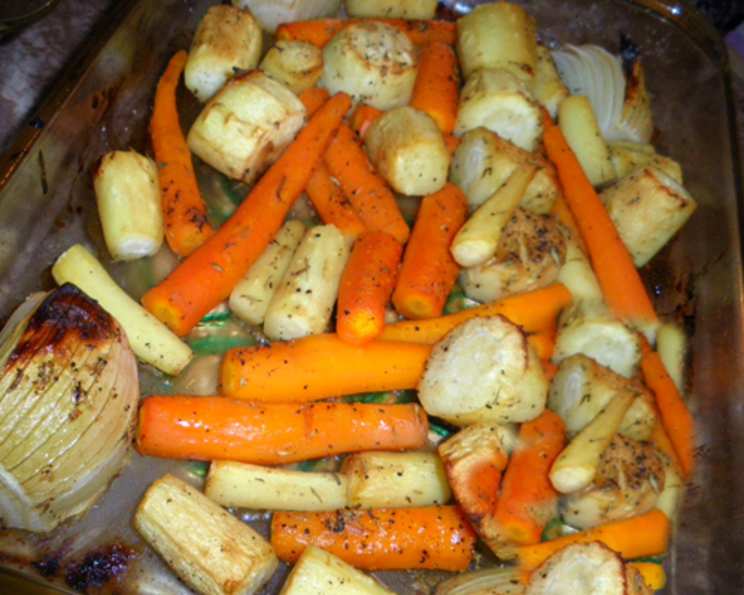
The Sweet, Earthy Harmony of Roasted Carrots and Parsnips
There’s a certain magic that happens when humble root vegetables meet the intense, caramelizing heat of an oven. I remember one particularly crisp autumn evening, the kind where the air carries the scent of woodsmoke and fallen leaves. I was feeling a bit uninspired in the kitchen, staring into my vegetable bin at the forlorn-looking carrots and parsnips. A quick toss with olive oil, a sprinkle of thyme, and a drizzle of something sweet – that simple act transformed them into glistening jewels. The aroma that filled my kitchen was intoxicating, a promise of the deeply satisfying, slightly sweet, and wonderfully tender bite to come. It’s a dish that speaks of comfort, simplicity, and the pure joy of letting natural flavors shine.
Recipe Overview
- Prep Time: 15 minutes
- Cook Time: 50 to 55 minutes
- Total Time: 1 hour 5 minutes to 1 hour 10 minutes
- Servings: 8
- Yield: A generous side dish
- Dietary Type: Vegan, Gluten-Free, Dairy-Free
Ingredients
To create this symphony of root vegetables, you’ll need:
- 1 pound parsnips, peeled and cut into 1-inch pieces
- 1 pound carrots, peeled and cut into 1-inch pieces
- 1 large onion, cut into wedges
- 2 tablespoons vegetable oil
- 1 teaspoon dried thyme
- 2 tablespoons maple syrup
- 1 tablespoon Dijon mustard
Equipment Needed
You’ll find these kitchen tools helpful for preparing this dish:
- A large baking dish (such as a 9×13 inch pan or a roasting pan)
- A small bowl
- Measuring spoons and cups
- A vegetable peeler
- A sharp knife
- A cutting board
Instructions
Embarking on this recipe is wonderfully straightforward, promising delicious results with minimal fuss.
- Preheat your oven to 400°F (200°C). This high heat is crucial for achieving that delightful caramelization on the vegetables.
- Prepare the vegetables. Ensure your parsnips and carrots are peeled and uniformly cut into 1-inch pieces. This ensures they cook evenly. The onion should be cut into wedges, allowing its layers to soften and sweeten during roasting.
- Coat the vegetables. Place the prepared parsnips, carrots, and onion into your baking dish. Drizzle the vegetable oil over them, then sprinkle with the dried thyme. Use your hands or a spatula to toss everything together thoroughly, ensuring each piece of vegetable is well-coated with the oil and herbs. This coating is what helps them roast beautifully.
- First Roast. Place the baking dish in the preheated oven and roast for 30 minutes. During this initial stage, the vegetables will begin to soften and develop their initial flavors.
- Prepare the Glaze. While the vegetables are roasting, take a small bowl and combine the maple syrup and Dijon mustard. Whisk these together until they are smoothly incorporated. This simple glaze will add a wonderful sweet and tangy counterpoint to the earthy vegetables.
- Glaze and Second Roast. After the initial 30 minutes of roasting, carefully remove the baking dish from the oven. Pour the prepared maple syrup and mustard mixture evenly over the vegetables. Toss them gently to ensure they are well-coated with this glossy glaze.
- Continue Roasting. Return the dish to the oven and roast for another 20 to 25 minutes. During this final roasting period, the glaze will thicken and caramelize, and the vegetables will become beautifully tender and golden brown. It’s a good idea to stir the vegetables once about halfway through this second roasting period to ensure even cooking and browning. You’ll know they’re ready when a fork easily pierces them, and their edges are delightfully browned and slightly crisp.
Expert Tips & Tricks
To elevate your roasted carrots and parsnips from good to truly exceptional, consider these culinary insights:
- Uniformity is Key: As mentioned, cutting your vegetables into uniform pieces is paramount. This ensures that all the carrots and parsnips cook at the same rate, preventing some from becoming mushy while others remain undercooked. Aim for pieces that are roughly the same size and thickness.
- Don’t Crowd the Pan: When roasting, it’s tempting to cram everything into one pan. However, overcrowding can lead to steaming rather than roasting. If your vegetables seem too crowded in the baking dish, use two pans. This allows hot air to circulate freely around each piece, promoting better browning and caramelization.
- The Power of High Heat: The 400°F (200°C) temperature is essential for achieving that desirable Maillard reaction – the browning that unlocks deep flavors and a slightly crispy exterior. Don’t be tempted to lower the temperature to speed up cooking; it won’t yield the same result.
- Seasoning is a Process: While the thyme is added early for a foundational herbal note, the final glaze of maple syrup and Dijon mustard is where much of the finishing flavor comes in. Taste the glaze before adding it to the vegetables; you can adjust the sweetness or tanginess to your preference. A pinch of salt and a grind of black pepper over the vegetables before the first roast can also enhance their natural sweetness.
- Know Your Oven: Ovens can vary in their temperature calibration and hot spots. Keep an eye on your vegetables during the last 10-15 minutes of roasting. If you notice some areas browning much faster than others, give them a stir or rotate the pan.
Serving & Storage Suggestions
These roasted beauties are incredibly versatile. Serve them piping hot as a comforting side dish alongside your favorite roasted meats, poultry, or fish. They also pair beautifully with vegetarian mains like lentil loaf or a hearty grain bowl. For a touch of elegance, a sprinkle of fresh parsley or chives just before serving adds a vibrant pop of color and freshness.
Leftovers can be stored in an airtight container in the refrigerator for up to 3 days. To reheat, gently warm them in a skillet over medium-low heat with a splash of water or broth, or spread them on a baking sheet and reheat in a moderate oven (around 350°F/175°C) until warmed through. Avoid microwaving if you want to preserve their texture, as it can make them a bit soft.
Nutritional Information
Here’s an estimated nutritional breakdown per serving (based on 8 servings):
| Nutrient | Amount per Serving | % Daily Value |
|---|---|---|
| Calories | 118.7 kcal | |
| Calories from Fat | 39 kcal | |
| Total Fat | 4.3 g | 5% |
| Saturated Fat | 0.5 g | 2% |
| Cholesterol | 0 mg | 0% |
| Sodium | 67.6 mg | 2% |
| Total Carbohydrate | 21.1 g | 7% |
| Dietary Fiber | 4.8 g | 19% |
| Sugars | 9.3 g | 37% |
| Protein | 1.5 g | 3% |
Nutritional values are estimates and can vary based on specific ingredients and preparation methods.
Variations & Substitutions
While this recipe is perfection as is, feel free to explore some delightful variations:
- Herbal Infusion: Swap the dried thyme for other robust herbs like rosemary or sage. A mix of herbs can also be lovely.
- A Touch of Spice: For a hint of warmth, add a pinch of red pepper flakes along with the thyme in the first step.
- Citrus Zing: After roasting, a squeeze of fresh lemon or orange juice over the vegetables can add a bright, zesty note.
- Sweeteners: If you don’t have maple syrup, honey can be used as a substitute, though it will impart a slightly different flavor profile.
- Other Root Vegetables: Feel free to add other sturdy root vegetables like sweet potatoes or celeriac to the mix, ensuring they are cut into similarly sized pieces.
FAQs (Frequently Asked Questions)
Q: Can I make this dish ahead of time?
A: You can prepare the vegetables and toss them with the oil and thyme, but it’s best to roast them fresh. The glaze should also be made just before adding it.
Q: How can I ensure my vegetables get nicely caramelized?
A: Make sure your oven is fully preheated to 400°F (200°C) and avoid overcrowding the pan, allowing for proper air circulation.
Q: What if I don’t have parsnips?
A: You can substitute them with more carrots or add other root vegetables like sweet potatoes or turnips.
Q: Can I use fresh thyme instead of dried?
A: Yes, use about 1 tablespoon of fresh thyme leaves, chopped, in place of the dried thyme.
Q: Is this recipe suitable for meal prepping?
A: While best served fresh, leftovers can be reheated effectively for a quick and healthy side dish throughout the week.
Final Thoughts
This simple yet profoundly flavorful dish is a testament to the beauty of uncomplicated cooking. It’s a reminder that with a few quality ingredients and a little heat, you can transform the ordinary into something truly extraordinary. I encourage you to try this recipe, to savor the moment the sweet and earthy aromas fill your home, and to share this delightful creation with those you cherish. It’s a dish that warms the soul as much as it satisfies the palate, perfect for cozy weeknight dinners or as a standout addition to any holiday spread. Pair it with a crisp white wine or a light-bodied red for a truly harmonious meal.