
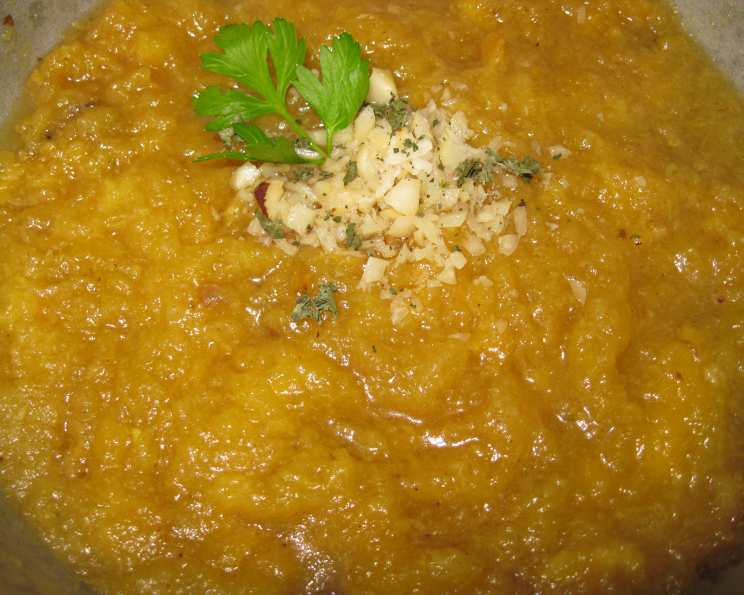
Roasted Butternut Squash Soup: A Hug in a Bowl
There are certain dishes that, for me, are more than just food; they are sensory experiences that transport me back to specific moments in time. This roasted butternut squash soup is one of them. I remember one crisp autumn evening, years ago, when the wind outside was beginning to bite. I had a particularly challenging week in the restaurant kitchen, and all I craved was something simple, nourishing, and deeply comforting. The vibrant orange hue of a butternut squash, sitting patiently on my counter, called to me. Roasting it unlocked an incredible depth of sweetness, a caramelization that transformed its humble origins into something truly magical. As the aroma of toasted nuts and warming spices filled my small apartment, I felt a profound sense of peace wash over me, a feeling I’ve chased ever since with this very recipe.
Recipe Overview
- Prep Time: 15 minutes
- Cook Time: 1 hour 10 minutes
- Total Time: 1 hour 25 minutes
- Servings: 4
- Yield: Approximately 6 cups
- Dietary Type: Can be adapted for Vegetarian/Vegan
Ingredients
- 1 butternut squash (about 1.5 – 2 lbs)
- 1/3 cup hazelnuts
- 3 tablespoons unsalted butter
- 1 yellow onion, chopped
- 2 garlic cloves, minced
- 2 (14-ounce) cans chicken broth (or vegetable broth for vegetarian/vegan)
- Salt, to taste
- White pepper, to taste
- 1/4 teaspoon ground nutmeg (a good pinch)
- Ground cinnamon (optional, for a touch of warmth)
- 1 pinch sugar (optional, to enhance sweetness)
Equipment Needed
- Sharp knife
- Baking sheet
- Dutch oven or large pot
- Handheld immersion blender or a standard blender
- Kitchen towel
Instructions
-
Preheat your oven to 400°F (200°C). Begin by preparing the star of our show: the butternut squash. Using a sharp knife, carefully cut the butternut squash in half lengthwise. Scoop out the seeds and fibrous strands from the cavity. Drizzle the cut sides with a touch of oil, season generously with salt and pepper, and place them cut-side down on a baking sheet. Roast the squash for 45 to 1 hour, or until it feels somewhat soft to the touch and a knife penetrates easily through the flesh. The goal is to achieve a tender, almost melty interior.
-
Once the squash is roasted, remove it from the oven. Let it cool just enough so that you can comfortably handle it. Then, using a spoon, scoop out the tender pulp from both halves into a bowl. Discard the skin. Set the squash pulp aside.
-
While the squash is cooling, reduce the oven temperature to 350°F (175°C). Now, let’s turn our attention to those lovely hazelnuts. Spread the hazelnuts on a separate baking sheet and toast them in the oven until fragrant, which usually takes about 10 minutes. You’ll notice their skins begin to loosen.
-
Remove the toasted hazelnuts from the oven. While they are still warm, place them in a clean kitchen towel. Rub the towel vigorously to remove as much of the skins as possible. Don’t worry if a few stubborn bits of skin remain; they won’t affect the flavor. Chop the peeled hazelnuts coarsely and set them aside. If you prefer a smoother texture or find skin removal challenging, you can also use a coffee grinder or food processor to grind the nuts, but be careful not to over-process them into a paste.
-
In a dutch oven or a large pot over medium-low heat, melt the unsalted butter. Once the butter is melted and shimmering, add the chopped yellow onion and minced garlic. Cook, stirring occasionally, until the onions are tender and translucent, which should take approximately 8 to 10 minutes. Be patient here; gently softening the aromatics is key to building a flavorful base.
-
To the softened onions and garlic, add the reserved butternut squash pulp, the chicken broth (or vegetable broth), the optional sugar, ground cinnamon (if using), ground nutmeg, and a good pinch of salt and white pepper. Bring the mixture to a boil.
-
Once boiling, reduce the heat to low and allow the soup to simmer for a few minutes to let all the wonderful flavors meld together.
-
Now it’s time to achieve that luxurious, velvety texture. If you have a handheld immersion blender, carefully blend the soup mixture directly in the pot until smooth. If you are using a standard blender, remove the pot from the heat. Carefully fill the blender jug with about a quarter of the soup at a time. Cover the lid securely, but leave a small opening or place a kitchen towel over the lid to allow steam to escape and prevent pressure build-up, which can cause the blender to explode. Blend until completely smooth, which usually takes about 5 to 10 seconds. Pour the blended soup into a clean pot or back into the original pot if you’ve emptied it. Repeat this process until all the soup has been blended.
-
Reheat the blended soup gently over medium-low heat. If you are adding heavy cream for an extra layer of richness (this is optional and not in the original ingredient list provided), now is the time to stir it in. Let the soup simmer for another 5 to 10 minutes, allowing the flavors to deepen further. Season to taste with additional salt and white pepper if needed.
-
Ladle the warm soup into warmed bowls. Garnish each serving generously with the toasted and chopped hazelnuts. Serve immediately.
Expert Tips & Tricks
- Selecting the Perfect Squash: For the best flavor, choose a butternut squash that feels heavy for its size and has a firm, unblemished rind. The deeper the orange color of the flesh, the sweeter the squash will be.
- Toasting Nuts to Perfection: Keep a close eye on your hazelnuts while toasting. They can go from perfectly toasted to burnt very quickly. The aroma is your best indicator.
- Achieving Silky Smoothness: For the smoothest soup, ensure your squash is thoroughly roasted until very tender. Over-blending can sometimes make the soup a bit gummy, so a few seconds of blending with an immersion blender is usually sufficient. If using a standard blender, it’s crucial to work in batches and vent the lid properly for safety.
- Broth Choice: While chicken broth provides a savory depth, using a good quality vegetable broth will make this soup entirely vegetarian or vegan.
- Make-Ahead Magic: This soup is an excellent candidate for making ahead. Roast the squash, sauté the aromatics, and even blend the soup a day in advance. Store the components separately in the refrigerator. When ready to serve, reheat the soup gently, add the cream (if using), and then garnish with the toasted nuts just before serving.
Serving & Storage Suggestions
This roasted butternut squash soup is a wonderful starter for a fall or winter meal, or a light yet satisfying lunch on its own. Serve it in shallow bowls to showcase its vibrant color, and don’t skimp on the crunchy toasted hazelnuts – they provide a crucial textural contrast. A swirl of heavy cream or a dollop of sour cream (for non-vegan versions) can add an extra touch of decadence.
Storage: Leftover soup can be stored in an airtight container in the refrigerator for 3 to 4 days. It can also be frozen for up to 3 months.
Reheating: To reheat refrigerated soup, gently warm it on the stovetop over low heat, stirring occasionally, until heated through. You may need to add a splash of broth or water if it has thickened too much. For frozen soup, thaw it in the refrigerator overnight before reheating on the stovetop.
Nutritional Information
| Nutrient | Amount per Serving (approximate) | % Daily Value |
|---|---|---|
| Calories | 320.4 kcal | 16% |
| Total Fat | 16.8 g | 26% |
| Saturated Fat | 6.3 g | 32% |
| Cholesterol | 22.4 mg | 7% |
| Sodium | 681.4 mg | 28% |
| Total Carbohydrate | 39.1 g | 13% |
| Dietary Fiber | 7.2 g | 29% |
| Sugars | 8.5 g | 17% |
| Protein | 9.2 g | 18% |
(Nutritional values are estimates and can vary based on specific ingredients and portion sizes.)
Variations & Substitutions
- Spicy Kick: Add a pinch of cayenne pepper or a diced jalapeño along with the garlic and onions for a touch of heat.
- Herbal Notes: Stir in a tablespoon of fresh, finely chopped sage or thyme along with the broth for an herbaceous twist.
- Creamy Vegan Option: Instead of butter, use olive oil or coconut oil for sautéing. Substitute the chicken broth with vegetable broth, and for added creaminess without dairy, stir in a few tablespoons of full-fat coconut milk or cashew cream at the end of cooking.
- Nut-Free: Omit the hazelnuts. For a delightful crunch, sprinkle with toasted pumpkin seeds (pepitas) or toasted croutons instead.
- Apple Addition: For a hint of sweetness and a brighter flavor, roast half an apple (like a Honeycrisp or Fuji) along with the squash and blend it into the soup.
FAQs
Q: Why roast the butternut squash instead of boiling or steaming it?
A: Roasting caramelizes the natural sugars in the squash, intensifying its sweetness and imparting a depth of flavor that boiling or steaming simply cannot achieve.
Q: Can I use a different type of squash?
A: While butternut squash is ideal for its sweetness and texture, other winter squashes like acorn squash or kabochasquash can be used. They may have slightly different flavor profiles and cooking times.
Q: How do I prevent the soup from exploding when using a standard blender?
A: Always blend hot liquids in batches, never fill the blender more than halfway, and ensure the lid is vented by either removing the small cap and covering with a towel or by carefully lifting the lid slightly as you blend.
Q: Is it necessary to peel the hazelnuts?
A: While not strictly necessary, peeling the hazelnuts removes any potential bitterness from the skins and results in a smoother, more appealing garnish. The rubbing method while warm is quite effective.
Q: Can I make this soup ahead of time?
A: Absolutely! Roasted squash and sautéed aromatics can be prepared a day in advance. Blend the soup and store it in the refrigerator, then reheat gently before serving.
This roasted butternut squash soup is more than just a recipe; it’s an invitation to slow down, savor the season, and create something truly delicious and comforting. The process of roasting the squash and toasting the nuts builds layers of flavor that culminate in a soup that is both elegant and deeply satisfying. Whether you’re serving it as a starter for a special dinner or enjoying it as a soul-warming meal on a chilly evening, I hope this soup brings you as much joy and comfort as it brings me. Share your creations and thoughts with me – I always love hearing from fellow food lovers!