
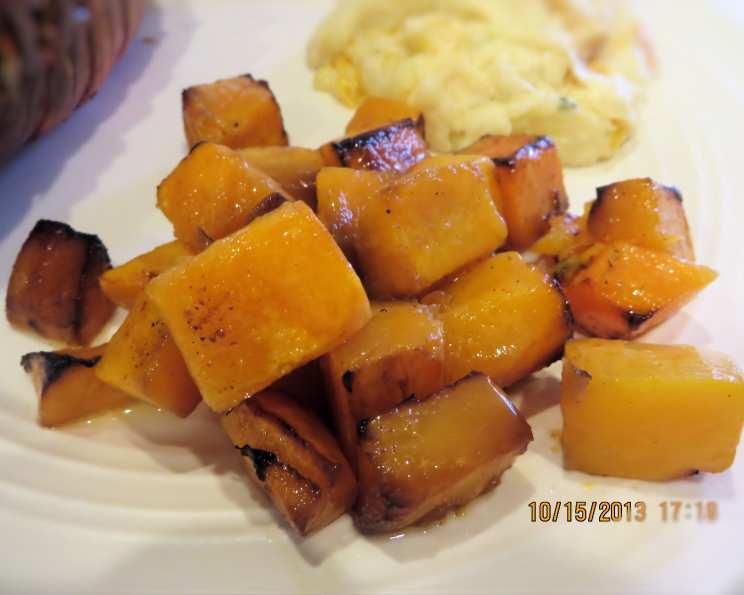
Roasted Butternut Squash in Brown Butter and Nutmeg
There’s a certain magic that happens when simple ingredients are treated with respect and transformed by a little heat. For me, roasted butternut squash is one of those transformative dishes. I remember a crisp autumn evening, the kind where the air bites just enough to make you crave warmth, and a neighbor brought over a steaming platter of this very squash. The aroma alone – a symphony of toasted nuts, sweet squash, and a whisper of spice – promised comfort. It was so deceptively simple, yet utterly divine, a testament to how a few thoughtful touches can elevate the humble to the extraordinary. That memory has stayed with me, a benchmark for how I approach seasonal cooking.
Recipe Overview
- Prep Time: 15 minutes
- Cook Time: 45 minutes
- Total Time: 1 hour
- Servings: 4
- Yield: Serves 4 as a side dish
- Dietary Type: Vegetarian, Gluten-Free
Ingredients
- 2 pounds butternut squash, peeled and seeded (approximately 1 large squash)
- 2 tablespoons olive oil
- 3 tablespoons salted butter
- 1/4 teaspoon ground nutmeg or 1/4 teaspoon fresh nutmeg, grated
Equipment Needed
- Baking sheet or oven-safe dish
- Small saucepan
- Measuring spoons and cups
- Knife and cutting board
- Vegetable peeler
Instructions
- Preheat your oven to 375 degrees Fahrenheit (190 degrees Celsius). This consistent, moderate heat is crucial for achieving tender squash with beautifully caramelized edges.
- Prepare the butternut squash: After peeling and removing the seeds, cut the squash into 1-inch cubes. Aim for uniform pieces so they cook evenly. The size is important – too small and they might turn mushy, too large and they might not soften sufficiently within the cooking time.
- Prepare your baking vessel: Spray a baking sheet or dish with nonstick cooking spray. This prevents the squash from sticking and makes for easier cleanup. If you prefer, you can also lightly grease the pan with a bit of extra olive oil or butter.
- Arrange and season the squash: Place the cubed squash onto the prepared baking dish. Drizzle with the olive oil.
- Toss the squash thoroughly to ensure each cube is lightly coated with olive oil. This will help with browning and prevent sticking.
- Arrange the squash in a single layer on the baking sheet. Overcrowding the pan will cause the squash to steam rather than roast, hindering the development of those delightful caramelized edges. If your squash is piled up, use a second baking sheet.
- Bake for 45 minutes, or until the squash is very tender and beginning to brown. It’s essential to stir the squash occasionally during the baking process. This promotes even cooking and browning on all sides. You’ll know it’s done when you can easily pierce a cube with a fork.
- While the squash is baking, prepare the brown butter. In a small saucepan, melt the salted butter over medium-low heat.
- Continue to cook the butter, swirling the pan occasionally, until it turns a nut-colored brown. This process, known as browning butter or beurre noisette, develops a rich, nutty flavor. This will take approximately 4 minutes. Be vigilant; do not burn the butter. Burnt butter will turn dark brown and taste bitter. The color should be a beautiful amber, with tiny brown milk solids at the bottom of the pan.
- Once the squash is tender and beautifully roasted, transfer it to a serving dish or bowl.
- Pour the freshly browned butter over the roasted squash.
- Toss gently to coat all the squash pieces evenly with the nutty brown butter.
- Finally, sprinkle with nutmeg. If you have fresh nutmeg, grating it just before use will impart a far more vibrant and complex aroma and flavor than pre-ground.
- Serve hot. This dish is best enjoyed immediately, when the aromas are at their peak and the squash is warm and tender.
Expert Tips & Tricks
The beauty of this dish lies in its simplicity, but a few chef-level touches can elevate it even further. For a more intense squash flavor, consider roasting the squash until it’s just tender and slightly firmer, then finish it in the pan with the brown butter and nutmeg. This allows the squash to absorb the buttery goodness without becoming overly soft. When browning butter, a light-colored saucepan can make it difficult to judge the color accurately. Opt for a darker-bottomed pan or watch for the nutty aroma to intensify. For an extra layer of texture and flavor, add a small handful of toasted pecans or walnuts to the squash along with the brown butter and nutmeg. This adds a delightful crunch and complementary nutty profile.
Serving & Storage Suggestions
This roasted butternut squash is a remarkably versatile side dish. Serve it alongside roasted chicken, pan-seared pork chops, or a hearty lentil stew. It also pairs beautifully with festive holiday meals. If you happen to have leftovers, they can be stored in an airtight container in the refrigerator for up to 3 days. To reheat, gently warm the squash in a saucepan over low heat with a splash of water or a tiny bit more butter, or briefly in the oven at 300°F (150°C). While it’s delicious reheated, the texture is at its absolute best when freshly prepared.
Nutritional Information
Here is an estimated nutritional breakdown per serving:
| Nutrient | Amount per Serving | % Daily Value |
|---|---|---|
| Calories | 239.1 kcal | |
| Calories from Fat | 59 % | |
| Total Fat | 15.7 g | 24 % |
| Saturated Fat | 6.5 g | 32 % |
| Cholesterol | 22.9 mg | 7 % |
| Sodium | 85.3 mg | 3 % |
| Total Carbohydrate | 26.7 g | 8 % |
| Dietary Fiber | 4.6 g | 18 % |
| Sugars | 5 g | 20 % |
| Protein | 2.4 g | 4 % |
Note: Nutritional values are approximate and can vary based on specific ingredients and quantities used.
Variations & Substitutions
While this recipe is divine as is, feel free to experiment! If you don’t have butternut squash, acorn squash or kabocha squash can be used as excellent substitutes. Their textures and flavors are slightly different but equally delicious when roasted. For a touch of sweetness, a drizzle of maple syrup or a sprinkle of brown sugar can be added before roasting. If you’re looking for a bit more savory depth, a pinch of smoked paprika or a few sprigs of fresh thyme tossed with the squash before baking can be transformative. For a vegan option, substitute the salted butter with a good quality vegan butter or coconut oil.
FAQs
Q: How do I ensure my butternut squash is tender without it becoming mushy?
A: Cutting the squash into uniform 1-inch cubes and arranging it in a single layer on the baking sheet are key. Stirring occasionally during baking also helps ensure even cooking and prevents overcooking in spots.
Q: Can I use pre-cut butternut squash?
A: Yes, you can use pre-cut butternut squash, but be sure to select pieces that are similar in size for consistent cooking.
Q: What is “brown butter” and why is it used here?
A: Brown butter, or beurre noisette, is butter that has been gently heated until its water content evaporates and the milk solids toast, giving it a rich, nutty flavor and aroma. It adds a depth of flavor to the squash that plain melted butter wouldn’t achieve.
Q: How can I tell if the nutmeg is fresh?
A: Fresh nutmeg will have a strong, aromatic scent when grated. If you have a whole nutmeg, grating it yourself just before use will yield the most vibrant flavor. Ground nutmeg can lose its potency over time.
Q: Is this dish suitable for meal prep?
A: While best served fresh, roasted butternut squash can be prepared ahead of time and reheated. Store leftovers in an airtight container in the refrigerator for up to 3 days.
Final Thoughts
This roasted butternut squash recipe is more than just a side dish; it’s an edible embrace of autumn’s bounty. It proves that elegance can be found in simplicity, and that a few well-chosen ingredients and a touch of technique can create something truly memorable. I encourage you to gather your squash, embrace the warmth of your kitchen, and let the rich, nutty aroma of brown butter fill your home. Serve this alongside your favorite comforting dishes, or simply enjoy it on its own, a testament to the delicious possibilities that lie within a humble squash. Happy cooking!