
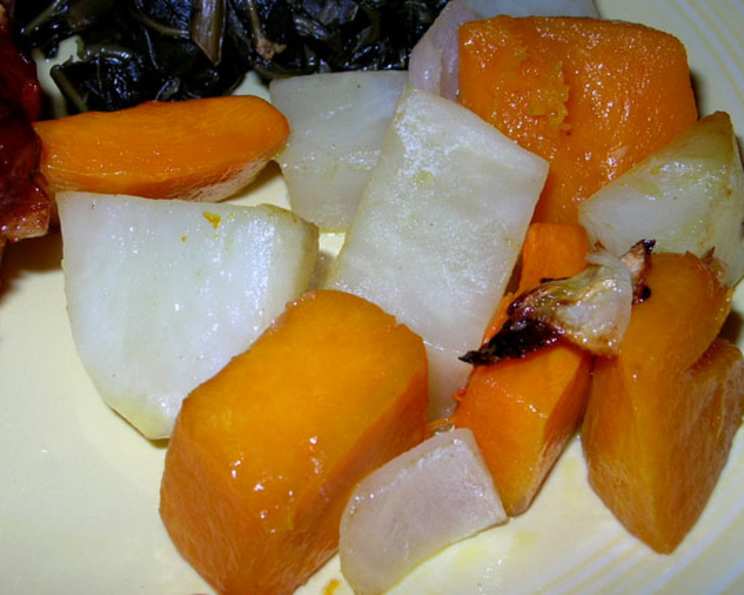
Roasted Butternut Casserole: A Hug on a Plate
There are certain dishes that, no matter how many sophisticated techniques I employ in the kitchen, remain my steadfast companions. The roasted butternut casserole is one such treasure. I remember a chilly autumn evening, years ago, when I first stumbled upon a variation of this simple dish. The air was crisp, the kind that bites at your cheeks, and I needed something comforting, something that whispered of warmth and home. This casserole, with its sweet, earthy butternut, tender potatoes, and the subtle bite of onion, all brought together with a hint of garlic salt and a sheen of oil, was an absolute revelation. It wasn’t fancy, it didn’t require obscure ingredients, but it delivered a profound sense of contentment that only truly honest food can provide. It’s the kind of dish that makes you want to curl up with a good book, or better yet, share it with loved ones.
Recipe Overview
- Prep Time: 15 minutes
- Cook Time: 45 minutes
- Total Time: 60 minutes
- Servings: 4
- Yield: 1 Casserole Dish
- Dietary Type: Vegetarian
Ingredients
This is a dish that celebrates the beauty of simple, wholesome ingredients. The magic lies in their inherent flavors, amplified by the gentle kiss of heat.
- 2 cups butternut squash, peeled, seeded, and cut into ½-inch cubes
- 2 cups potatoes, scrubbed and cut into ½-inch cubes
- 1 cup onion, cut into chunks
- 2 tablespoons oil (a neutral oil like canola, vegetable, or even a light olive oil works wonderfully)
- 1-2 teaspoons garlic salt, to taste
Equipment Needed
- Large mixing bowl
- Baking dish (approximately 9×13 inches or a similar-sized ovenproof dish)
- Measuring cups and spoons
- Cutting board and knife
Instructions
The beauty of this roasted butternut casserole is its effortless assembly. It’s a perfect dish for a weeknight when time is short, or for a casual gathering where you want something delicious without the fuss.
- Begin by preheating your oven to 180°C (350°F). This ensures your casserole will start cooking immediately, developing those lovely roasted edges and tender interiors.
- In a large mixing bowl, combine the cubed butternut squash, cubed potatoes, and onion chunks. The key here is to ensure all the vegetables are roughly the same size. This promotes even cooking, meaning you won’t have some pieces done and others still firm.
- Drizzle the 2 tablespoons of oil over the vegetables. Using your hands or a large spoon, gently toss everything together until the vegetables are thoroughly coated. You want to see a thin, even sheen of oil on each piece. This oil is crucial for creating those delightful crispy edges and preventing the vegetables from sticking.
- Transfer the oil-coated vegetables to your greased ovenproof dish. Spread them out in an even layer. Avoid overcrowding the dish, as this can lead to steaming rather than roasting. If your dish is too full, consider using two smaller dishes.
- Now, it’s time for the flavor. Sprinkle the garlic salt over the vegetables. The amount is truly to your personal preference, so start with 1 teaspoon and add more if you desire a stronger garlicky punch. You can also add a touch of black pepper at this stage if you like, though it’s not strictly part of the original recipe.
- Place the dish in the preheated oven. Bake for 45 minutes. During this time, the vegetables will soften, caramelize, and develop a wonderfully savory aroma. You’ll want to check them around the 30-minute mark.
- To check for doneness, gently pierce a piece of butternut squash and a potato with the tip of a fork or a sharp knife. They should be tender all the way through, yielding easily. If they are still firm, continue baking for another 5-10 minutes, checking periodically.
- Once the vegetables are perfectly tender and beautifully roasted, carefully remove the dish from the oven.
Expert Tips & Tricks
As a chef, I’ve learned that even the simplest dishes can benefit from a few thoughtful touches. While this recipe is wonderfully straightforward, here are a few ways to elevate it or troubleshoot common issues:
- Achieving the Perfect Roast: The key to a beautiful roast is high heat and not overcrowding the pan. Ensure your oven is fully preheated. If you notice your vegetables browning too quickly on the edges before they are tender, you can loosely tent the dish with aluminum foil for the last 10-15 minutes of cooking. Conversely, if you prefer an even crispier texture, you can increase the oven temperature to 200°C (400°F) for the last 10 minutes, watching carefully to prevent burning.
- Uniformity is Key: Cutting your vegetables into uniform ½-inch cubes is more than just aesthetics; it’s crucial for even cooking. If your cubes are too small, they might become mushy before the larger pieces are tender. If they are too large, they will take significantly longer to cook.
- Garlic Salt Nuance: Garlic salt provides a direct hit of both garlic flavor and salt. If you find you have a lot of salt in your garlic salt blend, you might want to reduce the amount of regular salt you might typically add to a dish. Alternatively, you can use 1/2 teaspoon of garlic powder and 1/2 teaspoon of salt for more control over each flavor component.
- Make-Ahead Marvel: This casserole is fantastic for prepping ahead. You can chop all your vegetables and store them in an airtight container in the refrigerator for up to 24 hours. When you’re ready to cook, simply toss them with oil and garlic salt and proceed with the recipe. The baked casserole also reheats beautifully.
Serving & Storage Suggestions
This roasted butternut casserole is incredibly versatile and can be enjoyed in so many ways. It shines as a comforting side dish, complementing everything from a simple grilled chicken breast to a hearty lentil loaf. Its natural sweetness also makes it a surprising partner for slightly richer, savory mains.
For a beautiful presentation, serve directly from the casserole dish. A sprinkle of fresh parsley or chives just before serving can add a lovely pop of color and freshness.
Leftovers are a true blessing! Store any remaining casserole in an airtight container in the refrigerator for 3-4 days. To reheat, you can gently warm it in the oven at 175°C (350°F) until heated through, or use the microwave for a quicker option. The oven method will help retain some of that lovely roasted texture. While freezing is possible, the texture of the potatoes and squash might change slightly upon thawing, making it best enjoyed fresh or within a few days.
Nutritional Information
Here is an estimated nutritional breakdown per serving, based on the ingredients provided:
| Nutrient | Amount per Serving | % Daily Value |
|---|---|---|
| Calories | 166.2 kcal | |
| Calories from Fat | ||
| Total Fat | 7 g | 10% |
| Saturated Fat | 0.9 g | 4% |
| Cholesterol | 0 mg | 0% |
| Sodium | 8.5 mg | 0% |
| Total Carbohydrate | 25.3 g | 8% |
| Dietary Fiber | 3.6 g | 14% |
| Sugars | 3.8 g | 15% |
| Protein | 2.6 g | 5% |
(Note: Nutritional values are estimates and can vary based on specific ingredients and portion sizes.)
Variations & Substitutions
While the simplicity of this recipe is its strength, feel free to explore these variations to make it your own:
- Root Vegetable Medley: Don’t limit yourself to just butternut squash and potatoes! Consider adding cubed sweet potatoes, parsnips, or even carrots for a more complex flavor profile and vibrant color. Adjust cooking times slightly if using denser root vegetables.
- Aromatic Boost: For an extra layer of flavor, toss in some chopped fresh rosemary or thyme along with the vegetables and oil. The woody herbs will infuse their fragrance during the roasting process.
- Cheesy Delight (Non-Vegetarian): If you’re not strictly adhering to a vegetarian diet, a light sprinkle of grated Parmesan cheese or nutritional yeast (for a cheesy vegan alternative) in the last 10 minutes of baking can add a wonderful savory depth.
- Spicy Kick: For those who enjoy a little heat, a pinch of red pepper flakes tossed in with the vegetables before roasting can add a subtle warmth.
FAQs (Frequently Asked Questions)
Q: Can I use pre-cut butternut squash?
A: Absolutely! If you’re short on time, pre-cut butternut squash from the grocery store is a convenient option. Just ensure it’s cut into similar-sized cubes for even cooking.
Q: My vegetables aren’t tender after 45 minutes. What should I do?
A: Don’t worry! Ovens can vary. Simply continue baking for an additional 5-10 minutes, checking for tenderness with a fork. Covering the dish loosely with foil can help trap steam and speed up the process if they are particularly stubborn.
Q: Can I use a different type of oil?
A: Yes, you can. A light olive oil or avocado oil would work well. Avoid strongly flavored oils like extra virgin olive oil or sesame oil, as they might overpower the delicate flavors of the vegetables.
Q: Is it important to grease the baking dish?
A: Yes, greasing the dish is important to prevent the vegetables from sticking and to help develop a nice, slightly crispy bottom layer.
Q: What if I don’t have garlic salt?
A: You can substitute with 1/2 teaspoon of garlic powder and 1/2 teaspoon of regular salt. Adjust the salt to your taste preference.
Final Thoughts
This roasted butternut casserole is a testament to the fact that incredible flavor doesn’t require complexity. It’s a dish that nourishes the body and comforts the soul, perfect for any occasion, from a simple family dinner to a potluck contribution. I encourage you to embrace its simplicity, experiment with the suggested variations, and most importantly, enjoy the delicious results. May it bring as much warmth and joy to your table as it does to mine.