
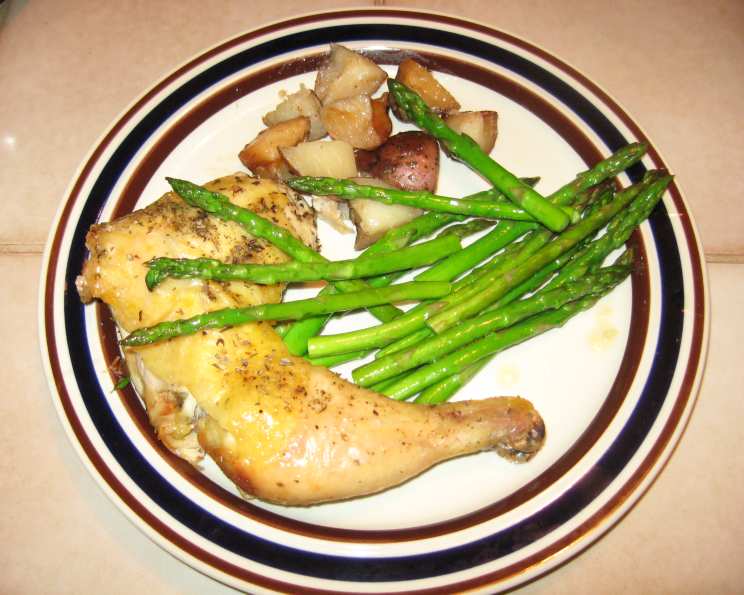
The Humble Asparagus, Elevated: A Symphony of Roasting and Olive Oil
There are certain flavors that, with the simplest of preparations, transport me back to sun-drenched afternoons in my grandmother’s garden. Asparagus, in its verdant glory, is one such culinary talisman. I remember, as a child, the excitement of helping her snap the woody ends from the fresh stalks, feeling the satisfying snap that signaled readiness. And then, the magic of the oven – transforming these humble spears into something tender, slightly sweet, and utterly irresistible. It’s a dish that embodies the philosophy that the best ingredients, treated with respect and minimal fuss, shine the brightest. This roasted asparagus, kissed by good olive oil and sea salt, is that very magic captured on a plate, a testament to the profound beauty of simplicity in cooking.
Recipe Snapshot
- Prep Time: 10 minutes
- Cook Time: 10 minutes
- Total Time: 20 minutes
- Servings: 4
- Yield: Side Dish
- Dietary Type: Vegan, Gluten-Free, Dairy-Free
Ingredients You’ll Need
To unlock the full potential of this delightful dish, gather these few, high-quality ingredients:
- 1 ½ lbs asparagus
- 2 ½ tablespoons extra virgin olive oil
- 1 teaspoon salt (to taste)
Essential Equipment
While this recipe is wonderfully straightforward, a few key tools will ensure a smooth preparation:
- Oven
- Shallow rimmed baking sheet (large enough to hold asparagus in a single layer)
- Large bowl (for tossing)
The Art of Roasting Asparagus: Step-by-Step
Transforming fresh asparagus into a culinary masterpiece is a swift and rewarding process. Follow these steps carefully to achieve perfectly roasted spears every time.
-
Preheat Your Oven: Begin by preheating your oven to a robust 450°F (230°C). This high heat is crucial for achieving that delightful tender-crisp texture and a hint of caramelization without overcooking the delicate spears.
-
Prepare the Asparagus: Take your 1 ½ lbs of fresh asparagus. The most efficient way to prepare them is to snap off the tough, woody ends. To do this, simply hold a spear near its base and gently bend it. It will naturally break at the point where the tender part meets the woody stalk. Discard the woody ends. You can also line up several spears and make one clean cut with a sharp knife about an inch from the bottom.
-
Arrange for Roasting: Place the prepared asparagus spears onto a shallow rimmed baking sheet. It’s important that the baking sheet is large enough to hold the asparagus in a single layer. Overcrowding will cause the asparagus to steam rather than roast, resulting in a less desirable texture.
-
Dress the Spears: Drizzle the asparagus generously with the 2 ½ tablespoons of extra virgin olive oil. Ensure that the oil coats each spear. Then, sprinkle evenly with 1 teaspoon of salt. You can adjust the salt to your preference, but this is a good starting point for enhancing the natural flavors.
-
Toss for Even Coating: Using your hands or a pair of tongs, toss the asparagus on the baking sheet, making sure that each spear is thoroughly coated with the olive oil and salt. This even distribution is key for uniform cooking and flavor penetration.
-
The Roasting Process: Place the baking sheet in the preheated oven. Bake until the spears are lightly browned and tender, about 10 minutes. Keep a close eye on the asparagus, as cooking times can vary slightly depending on the thickness of the spears and the nuances of your oven. You want them to be vibrant green, with just a hint of char in places, and yielding easily to a gentle pressure from a fork.
-
Serve Immediately: Once perfectly roasted, serve the asparagus immediately. The magic of roasted asparagus lies in its fleeting perfection – warm, tender, and bursting with flavor.
Chef’s Corner: Elevating Your Roasted Asparagus
As a chef, I’ve learned that even the simplest dishes can benefit from a few thoughtful touches. Here are some insights to take your roasted asparagus to the next level:
- The Olive Oil Matters: For this recipe, extra virgin olive oil is non-negotiable. Its robust, peppery notes are essential to the flavor profile. Don’t shy away from using a good quality oil; it truly makes a difference.
- Seasoning is Key: While salt is listed, consider a pinch of freshly cracked black pepper along with it before roasting for an added layer of subtle spice.
- Thickness of Spears: Asparagus spears come in varying thicknesses. Thicker spears will take a minute or two longer to cook, while thinner ones will cook faster. If you have a mix, try to group similar thicknesses together on the baking sheet or be mindful of their individual cooking times.
- Doneness Test: The true test of perfectly roasted asparagus is its texture. It should be tender but still have a slight bite (al dente). It should not be mushy or stringy. If you overcook it, it loses its vibrant color and develops an unpleasant texture.
- Roasting Pan Placement: For even cooking, place the baking sheet on the middle rack of your oven.
Serving and Storage: Enjoying Every Bite
Roasted asparagus is a versatile side dish that shines brightly alongside a myriad of main courses.
- Serving Suggestions: Serve hot, straight from the oven, as a sophisticated accompaniment to grilled fish, roasted chicken, steak, or even as a vibrant addition to a vegetarian meal. It’s also a fantastic component of a brunch spread.
- Storage: Roasted asparagus is best enjoyed fresh. However, if you find yourself with leftovers, allow them to cool completely at room temperature before storing. Store in an airtight container in the refrigerator for up to 2 days. The texture will soften slightly upon refrigeration.
- Reheating: To reheat, a quick sauté in a skillet over medium heat for a couple of minutes or a brief stint in a moderate oven (around 350°F/175°C) for about 5-7 minutes will help revive some of its original texture and warmth.
Nutritional Snapshot
Here’s an approximate nutritional breakdown for a serving of roasted asparagus. Please note that these values are estimates and can vary based on specific ingredient choices and portion sizes.
| Nutrient | Amount per Serving (approx.) | % Daily Value (approx.) |
|---|---|---|
| Calories | 112 | 6% |
| Total Fat | 8.8 g | 11% |
| Saturated Fat | 1.3 g | 7% |
| Cholesterol | 0 mg | 0% |
| Sodium | 605.4 mg | 26% |
| Total Carbohydrate | 7 g | 3% |
| Dietary Fiber | 3.4 g | 12% |
| Sugars | 2.2 g | 4% |
| Protein | 4.1 g | 8% |
Variations to Explore
While the classic preparation is perfection, feel free to experiment and make this dish your own:
- Lemon Zest Finish: For a bright, citrusy lift, sprinkle the roasted asparagus with fresh lemon zest just before serving.
- Garlic Infusion: Add a couple of thinly sliced garlic cloves to the baking sheet with the asparagus and olive oil. They will roast and become wonderfully sweet and mellow.
- A Touch of Heat: For those who enjoy a little kick, a pinch of red pepper flakes added with the salt will provide a subtle warmth.
- Parmesan Delight (Non-Vegan): If dairy is not a concern, a light dusting of grated Parmesan cheese over the asparagus during the last minute or two of roasting adds a savory, umami dimension.
Frequently Asked Questions
Here are some common questions about preparing and enjoying roasted asparagus:
Q: Why does my roasted asparagus turn out soggy?
A: This is usually due to overcrowding the baking sheet. Ensure the asparagus is in a single layer so that hot air can circulate around each spear, promoting roasting rather than steaming.
Q: How do I know when the asparagus is perfectly cooked?
A: The asparagus should be bright green, tender but still slightly firm to the bite (al dente). It should yield easily when pierced with a fork, but not be mushy. You’ll also notice slight browning on the tips.
Q: Can I use a different type of oil?
A: While extra virgin olive oil is recommended for its flavor, you can use another high-heat cooking oil like avocado oil or grapeseed oil if needed. However, the distinct flavor of olive oil is a key component of this simple dish.
Q: Is it okay to prep the asparagus ahead of time?
A: Yes, you can wash and snap the woody ends off the asparagus a few hours in advance. Store them in the refrigerator in a damp paper towel-lined container or bag. However, it’s best to toss them with olive oil and salt just before roasting for the freshest flavor and texture.
Q: What are some good main courses to pair with roasted asparagus?
A: Roasted asparagus is incredibly versatile. It pairs beautifully with almost any protein, including grilled salmon, pan-seared chicken breasts, steak, lamb chops, or even as a side for a hearty lentil shepherd’s pie.
A Simple Pleasure, Perfectly Realized
The beauty of this roasted asparagus dish lies in its elegant simplicity. It’s a celebration of fresh, seasonal produce, coaxed into its best self with just a few pantry staples. This is the kind of dish that speaks volumes without shouting, a testament to the power of technique and quality ingredients. Whether you’re a seasoned home cook or just beginning your culinary journey, mastering this simple preparation will add a vibrant, delicious, and healthy option to your repertoire. So gather your asparagus, preheat that oven, and let the magic of roasting transform these green spears into a dish that’s as delightful to eat as it is easy to make. Enjoy!