
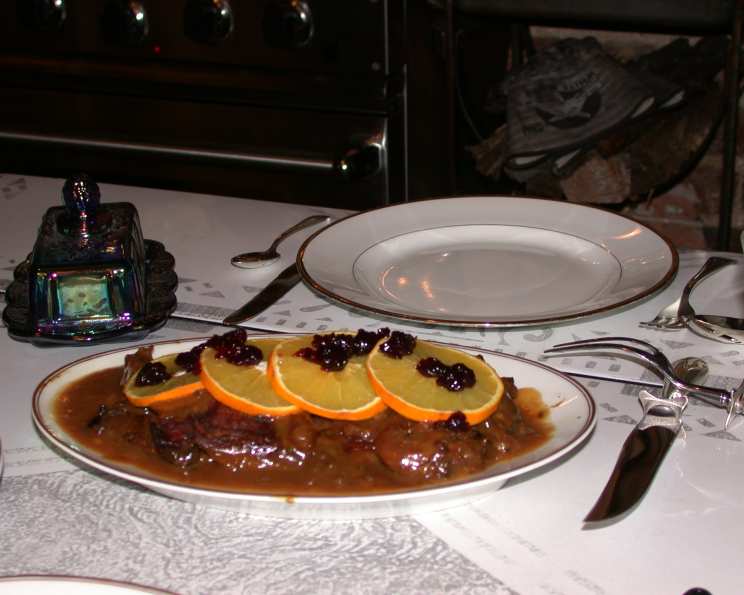
A Timeless Venison Roast: Honoring Tradition with Every Savory Bite
The aroma of slow-cooked venison, mingled with citrus and wine, has always been a hallmark of true comfort in my kitchen. I remember my grandmother, a woman who revered game in every form, meticulously larding a leg of venison with strips of salt pork, her movements precise and practiced. It was a ritual, a testament to patience and the deep respect for the bounty nature provided. This particular recipe, an evolution refined over three decades, is the one that finally convinced me to invest in my first larding needle – a tool now as cherished as any other in my culinary arsenal, brought out not just for venison, but for enhancing other roasts with its magic.
Recipe Overview
- Prep Time: 30 minutes
- Cook Time: 6 hours
- Total Time: 6 hours 30 minutes
- Servings: 6
- Yield: 1 roast
- Dietary Type: Omnivore
Ingredients
For this deeply flavorful roast, you’ll need:
- 1 venison roast (leg)
- 4 ounces salt pork, cut into strips
- 1 teaspoon salt
- 1 teaspoon pepper (freshly ground)
- 1 tablespoon ground ginger
- 1 teaspoon dried oregano
- 1 tablespoon olive oil
- 1/2 cup butter (melted)
- 1 cup orange juice
- 1 cup stock
- 1 cup sherry wine (very dry)
- 1/3 cup flour
- 1/2 cup chianti wine
- 1/2 cup sherry wine (very dry)
- 1 orange (for zest and slices)
- 1/2 cup black currant jelly
Equipment Needed
- Roasting pan
- Larding needle
- Small plate
- Whisk
- Saucepan (for gravy)
- Oven
Instructions
Embarking on this venison roast is a journey, one where patience is rewarded with an unparalleled depth of flavor. Here’s how to bring this magnificent dish to life:
- Begin by preparing your aromatic seasoning. In a small plate, combine the salt, pepper, ground ginger, and dried oregano. Mix these together thoroughly.
- Next, prepare your salt pork for larding. Cut the salt pork into strips, approximately 2 inches long and 1/4 inch thick, ensuring they are sized to fit easily into your larding needle.
- Roll each strip of salt pork in the herb seasoning mixture until it is well coated. For easier handling, if you find the salt pork is too soft, you can chill these seasoned strips in the freezer for a short while.
- Thread the seasoned salt pork strips into your larding needle. Carefully push the needle through the venison roast, distributing the fat evenly throughout the meat. This process, known as larding, will lend incredible moisture and flavor to the venison as it cooks.
- Rub the venison roast all over with olive oil. Place the prepared roast in your roasting pan.
- Pat any remaining herb seasoning mixture onto the exterior of the roast.
- Pour the melted butter over the entire roast, ensuring it coats the surface.
- In a separate bowl or jug, whisk together the orange juice, stock, and 1 cup of sherry wine. Pour this flavorful liquid into the bottom of the roasting pan, around the roast.
- Cover the roasting pan tightly, and place it in a preheated oven set to 325 degrees Fahrenheit. Allow the roast to cook, covered, for 5 hours.
- During this extended cooking period, baste the roast every 15 to 20 minutes with the juices from the pan. This is crucial for keeping the meat moist and infusing it with flavor.
- After 5 hours of cooking, carefully remove the roasting pan from the oven. Gently take the venison roast out of the pan and set it aside on a platter.
- Now, attend to the natural gravy. Skim off any excess fat from the juices remaining in the roasting pan.
- To create a smooth, thickened gravy, take a portion of the skimmed fat and the flour and whisk them together in a small bowl to form a smooth paste.
- Gradually whisk in the 1/2 cup of chianti wine, the remaining 1/2 cup of sherry wine, and the orange zest (from about 1 tablespoon of zest from your orange).
- Stir this mixture back into the natural gravy in the roasting pan. Place the pan with the gravy over low heat and cook for 10 minutes, stirring occasionally, until the gravy has thickened.
- Return the venison roast to the pan, nestled back into the thickened gravy. Spread 1/4 cup of black currant jelly evenly over the top of the roast. Cover the pan again.
- Return the covered pan to the oven and continue cooking for an additional hour, basting as needed with the pan juices to keep the roast moist.
- Once the final hour of cooking is complete, remove the pan from the oven.
- Carefully transfer the finished venison roast to a clean serving platter. Spoon the remaining black currant jelly over the top of the roast. Garnish the platter with orange slices arranged around the roast.
- Pour the prepared gravy into a gravy boat.
- Serve this magnificent roast with baked potatoes and a fresh green vegetable for a truly complete and satisfying meal.
Expert Tips & Tricks
The beauty of this roast lies in its slow, forgiving cooking process. However, a few nuances can elevate it further. If you’re short on time or finding the salt pork difficult to lard when cold, slicing it directly from the freezer can make it more manageable and less prone to crumbling. Don’t be shy with the basting; those frequent trips to the oven ensure every inch of the venison is kissed by the rich pan juices. When making the gravy, a well-made roux (the fat and flour paste) is key to a silky smooth sauce, so ensure it’s thoroughly combined before adding the liquids. If your oven tends to run hot or cold, using a reliable meat thermometer is your best friend for ensuring the venison reaches optimal doneness without overcooking.
Serving & Storage Suggestions
This Roast Venison is best served immediately after it comes out of the oven, while it’s warm and the juices are at their peak. The glistening black currant jelly and fresh orange slices provide a beautiful presentation, hinting at the rich flavors within. For storage, allow any leftovers to cool completely before transferring them to an airtight container. Refrigerated, the roast and gravy should last for up to 3 days. To reheat, gently warm the venison and gravy in a covered saucepan over low heat or in a low oven, adding a splash of water or stock if it seems dry. Freezing is also an option; wrap the roast and gravy securely, and it should keep well for up to 2 months.
Nutritional Information
Here is an approximate nutritional breakdown per serving:
| Nutrient | Amount per Serving | % Daily Value |
|---|---|---|
| Calories | 695.3 kcal | |
| Calories from Fat | 297 g | |
| Total Fat | 33.1 g | 50% |
| Saturated Fat | 15.6 g | 78% |
| Cholesterol | 56.9 mg | 18% |
| Sodium | 790.7 mg | 32% |
| Total Carbohydrate | 41.3 g | 13% |
| Dietary Fiber | 1.4 g | 5% |
| Sugars | 22.4 g | 89% |
| Protein | 2.7 g | 5% |
Variations & Substitutions
While this recipe sings with its classic ingredients, feel free to explore. For a bolder sauce, you could substitute a portion of the stock with a robust beef or game stock. If black currant jelly isn’t readily available, a good quality red currant jelly or even cranberry sauce can offer a similar tart-sweet counterpoint. For those who enjoy a touch more spice, a pinch of cayenne pepper can be added to the initial seasoning mix.
FAQs
Q: Why is larding the venison with salt pork important?
A: Venison can be a leaner meat, and larding helps to introduce fat, ensuring the roast remains moist and tender during the long cooking process, adding richness and flavor.
Q: How do I know when the venison roast is done?
A: After the total cooking time, the venison should be tender. For a more precise measurement, an internal temperature of around 135-140°F (57-60°C) for medium-rare to medium is ideal.
Q: Can I make the gravy ahead of time?
A: You can prepare the gravy base (the roux and liquid mixture) ahead of time and store it in the refrigerator. However, it’s best to thicken it and combine it with the pan juices just before serving.
Q: What if I don’t have a larding needle?
A: While a larding needle is ideal, you can achieve a similar effect by making small incisions into the roast with a sharp knife and pushing the seasoned salt pork into these pockets.
Q: Can I use a different cut of venison for this recipe?
A: This recipe is best suited for a leg roast, which benefits from slow, moist cooking. Other cuts might require different cooking times and methods.
Final Thoughts
There’s a profound satisfaction in preparing a dish that has stood the test of time, a recipe passed down and cherished. This Roast Venison is more than just a meal; it’s an experience, a connection to culinary heritage. Whether you’re a seasoned hunter or simply an admirer of robust, flavorful cooking, I encourage you to embrace the ritual of this roast. Share it with loved ones, savor each tender bite, and perhaps, let it inspire your own culinary traditions. A crisp green salad and a glass of the very sherry wine used in the sauce would make perfect companions to this hearty feast.