
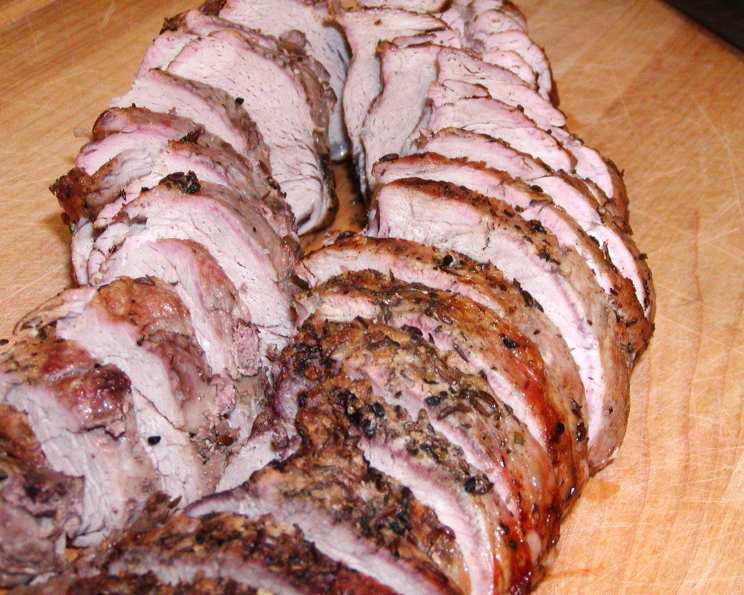
Roast Pork with Caraway (Schab Wieprzowy Po Polsku): A Taste of Tradition
The aroma of roasting pork, especially when infused with the earthy, slightly anise-like warmth of caraway, has always been a nostalgic scent for me. It’s the smell of comfort, of family gatherings, and of honest, satisfying cooking. I remember one particular winter afternoon, snow piling up outside, when my grandmother decided to make this very dish. The simplicity of the ingredients belied the depth of flavor that slowly bloomed in the oven. As the hours passed, the kitchen transformed into a haven of savory warmth, and when that roast pork finally emerged, glistening and perfumed, it was more than just a meal – it was a tangible connection to my heritage.
This Polish-style roast pork, known as Schab Wieprzowy Po Polsku, is a testament to the beauty of uncomplicated yet profoundly flavorful cooking. It’s a dish that celebrates the inherent quality of the pork, enhanced by a few select spices that sing in harmony. The caraway seeds, often overlooked in modern cuisine, are the star here, lending a distinct and wonderfully aromatic character that pairs perfectly with the richness of the pork.
Recipe Overview
- Prep Time: 20 minutes
- Cook Time: 2 hours 30 minutes
- Total Time: 2 hours 50 minutes
- Servings: 6
- Yield: 1 roast pork loin
- Dietary Type: Gluten-Free
Ingredients
Gathering these simple ingredients is the first step towards a truly delicious meal. The quality of your pork loin will make a significant difference, so opt for a well-marbled cut if possible.
- 1 boneless pork loin, approximately 2 to 3 pounds
- 2 teaspoons salt
- 1/4 teaspoon dried marjoram
- 1 teaspoon caraway seed
- 50 grams (about 3.5 tablespoons) butter
Equipment Needed
For this straightforward yet rewarding recipe, you won’t need an extensive arsenal of gadgets.
- Sharp knife (for scoring the fat and preparing the meat)
- Large skillet
- Roasting dish or oven-safe pan
- Basting spoon or baster
Instructions
The process for preparing this roast pork is blessedly uncomplicated, allowing the natural flavors to develop beautifully in the oven. Patience is key, as is frequent basting to ensure a moist and succulent result.
- Preheat your oven to 425°F (220°C). This initial high heat is crucial for searing the exterior of the pork, helping to lock in juices and develop a flavorful crust.
- Prepare the pork loin. Using a sharp knife, carefully score the fat on the surface of the pork loin. Make shallow, parallel cuts about 1/4 inch apart, being careful not to cut into the meat itself. This scoring allows the fat to render and crisp up beautifully during roasting.
- Season the pork. In a small bowl, combine the salt, dried marjoram, and caraway seed. Rub this spice mixture generously all over the scored fat and the sides of the pork loin, ensuring an even coating.
- Sear the pork. In a large skillet, melt the butter over high heat. Once the butter is sizzling and hot, carefully place the seasoned pork loin into the skillet. Sear the meat rapidly on all sides until it is nicely browned all over. This step is vital for building a flavorful foundation and adding another layer of richness to the final dish.
- Transfer to roasting dish. Once the pork is beautifully browned, carefully transfer it to a roasting dish or an oven-safe pan.
- Roast the pork. Place the roasting dish into the preheated oven. Roast for 2 1/2 hours. During this time, it is essential to baste the pork frequently with the pan juices. This basting action not only keeps the meat moist but also helps to distribute the rendered fat and seasonings, creating a deeply flavorful crust.
- Check for doneness. After 2 1/2 hours, the pork should be tender and cooked through. For a more precise check, an instant-read thermometer inserted into the thickest part of the roast (without touching bone, if there were any) should register an internal temperature of 145°F (63°C) for medium-rare, or 160°F (71°C) for medium. Given the cooking time, it’s likely to be closer to medium.
- Rest the pork. Once cooked, remove the pork from the oven and allow it to rest for at least 10-15 minutes before carving. This resting period is critical for allowing the juices to redistribute throughout the meat, resulting in a more tender and succulent final product. Tent it loosely with foil while it rests.
- Serve. Slice the rested pork into thick, appealing portions and serve hot.
Expert Tips & Tricks
Elevate your Schab Wieprzowy Po Polsku with these professional insights.
- Quality of Pork: The success of this dish hinges on the quality of the pork loin. Look for a cut with good marbling – those thin streaks of fat within the meat – as this will render during cooking, contributing significantly to moisture and flavor. A loin with a nice cap of fat on one side is ideal for scoring.
- The Power of Scoring: Don’t underestimate the importance of scoring the fat. This not only allows the fat to render, preventing the roast from being greasy, but also creates a surface for the seasonings to adhere to and crisp up beautifully. Aim for consistent, even scores.
- Basting is Key: The instruction to baste frequently is not to be ignored! The rendered fat and pan juices are liquid gold. Spooning them over the pork repeatedly throughout the roasting process ensures an incredibly moist interior and a richly flavored exterior. If your pan seems dry, you can add a splash of water or broth, but the pork fat should provide ample liquid.
- Don’t Rush the Rest: Allowing the pork to rest after cooking is as important as the roasting itself. If you carve too soon, all those delicious juices will run out onto the cutting board, leaving you with dry meat. The resting period allows the muscle fibers to relax and reabsorb the moisture.
- Caraway Seed Freshness: For the most potent flavor, ensure your caraway seeds are relatively fresh. If they’ve been languishing in your spice rack for years, their aromatic qualities may have diminished. A quick toast of the seeds in a dry pan before grinding can also intensify their flavor.
Serving & Storage Suggestions
This roast pork is incredibly versatile and pairs beautifully with a variety of accompaniments, echoing traditional Polish fare.
Serving:
Serve thick slices of the Schab Wieprzowy Po Polsku hot. It is traditionally enjoyed with hearty sides such as ziemniaki (potatoes) in various forms – boiled and buttered, mashed, or roasted. Sauerkraut (kapusta kiszona) is another classic pairing, its tangy acidity cutting through the richness of the pork. A dollop of horseradish sauce or a simple gravy made from the pan drippings would also be delightful. For a lighter touch, a fresh cucumber salad (mizeria) offers a refreshing contrast.
Storage:
Once cooled, leftover roast pork can be stored in an airtight container in the refrigerator for up to 3 to 4 days. It also freezes well; wrap individual portions tightly in plastic wrap and then in aluminum foil or place them in freezer bags for up to 2 to 3 months.
Reheating:
To reheat, the best method is to gently warm slices in a covered baking dish with a little liquid (water, broth, or the original pan juices if you saved them) in a moderate oven (around 300°F / 150°C) until heated through. Alternatively, you can reheat thinner slices in a skillet over low heat with a bit of added fat. Microwaving is also an option, though it can sometimes result in a slightly drier texture.
Nutritional Information
Here is an estimated nutritional breakdown per serving. Please note that these are approximate values and can vary based on the specific cut of pork and exact ingredient measurements used.
| Nutrient | Amount per Serving | % Daily Value |
|---|---|---|
| Calories | 360 kcal | |
| Calories from Fat | 64% | |
| Total Fat | 25.8 g | 39% |
| Saturated Fat | 10.8 g | 54% |
| Cholesterol | 113.1 mg | 37% |
| Sodium | 898.5 mg | 37% |
| Total Carbohydrate | 0.2 g | 0% |
| Dietary Fiber | 0.1 g | 0% |
| Sugars | 0 g | 0% |
| Protein | 30 g | 59% |
Variations & Substitutions
While this recipe is classic and beloved for a reason, here are a few ideas to explore:
- Herb Variations: If marjoram isn’t your favorite, you can experiment with other robust herbs that complement pork. Thyme, rosemary, or even a touch of sage can be lovely additions, used in conjunction with or in place of the marjoram.
- Garlic Infusion: For an extra layer of flavor, you could stud the pork loin with whole garlic cloves before rubbing it with the spice mixture. Make small incisions in the pork and insert peeled garlic cloves.
- Caraway Seed Intensity: If you are particularly fond of the caraway flavor, you can increase the amount slightly to 1.5 teaspoons. Conversely, if you’re new to caraway and want a subtler hint, start with 1/2 teaspoon.
- Fat Substitution: While butter provides excellent flavor and helps with browning, you could use lard or a high-smoke point oil like vegetable oil or canola oil for searing if preferred.
FAQs
Q: Can I use a different cut of pork?
A: While a boneless pork loin is ideal for this recipe due to its tenderness and even cooking, you could potentially use a pork shoulder or pork butt. However, these cuts have more connective tissue and will require a longer, slower cooking time (likely braising) to become tender.
Q: Why is my roast pork dry?
A: Dryness in roast pork is often due to overcooking or not allowing the meat to rest. Ensure you are using an instant-read thermometer to check for doneness and always let the roast rest for at least 10-15 minutes before carving. Frequent basting also helps maintain moisture.
Q: How can I make a gravy from the pan drippings?
A: After removing the pork, pour the pan drippings into a small saucepan. Skim off excess fat, then whisk in a tablespoon or two of flour to create a roux. Gradually whisk in about 1-2 cups of broth or water and simmer until thickened. Season with salt and pepper to taste.
Q: Is caraway seed strong? How much should I use if I’m not sure?
A: Caraway has a distinct flavor, often described as earthy and slightly anise-like. If you’re unsure, start with a smaller amount, like 1/2 teaspoon, and you can always increase it in future preparations if you find you enjoy the taste.
Q: Can I prepare this dish in advance?
A: You can prepare the spice rub and score the pork ahead of time and refrigerate it. However, the searing and roasting process is best done just before serving to ensure optimal texture and flavor. Leftovers, of course, can be made and stored.
Final Thoughts
This Roast Pork with Caraway is more than just a recipe; it’s an invitation to slow down, embrace simple ingredients, and savor the profound satisfaction that comes from a well-cooked meal. It’s a dish that speaks of heritage, comfort, and the enduring appeal of traditional flavors. I encourage you to bring this taste of Poland into your own kitchen. Whether you serve it as the centerpiece of a festive meal or a comforting weeknight dinner, I hope it brings you as much joy and warmth as it has brought me over the years. Gather your loved ones, put on some good music, and let the comforting aromas fill your home. Smacznego! (Enjoy your meal!)