
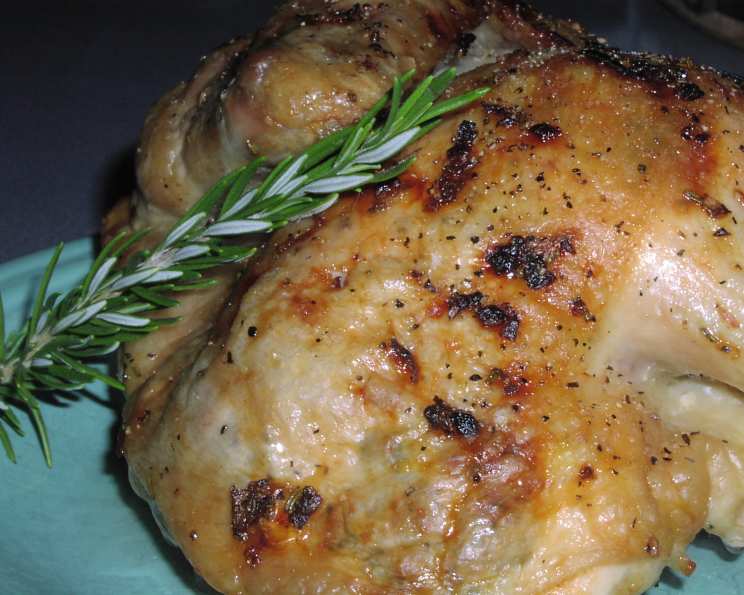
Roast Chicken with Rosemary-Orange Butter: A Symphony of Citrus and Herb
There are certain dishes that, for me, are more than just a meal; they are portals to cherished memories. Roast chicken, in its simplest form, is often one of them, evoking the warmth of family gatherings and the comforting aroma that once filled my grandmother’s kitchen. But when you elevate it with the bright, zesty perfume of orange and the earthy, piney notes of rosemary, it transforms into something truly special. This Roast Chicken with Rosemary-Orange Butter isn’t just a recipe; it’s an invitation to create your own culinary magic, a dish that sings with the seasons and brings a touch of elegance to any table.
Recipe Overview
- Prep Time: 20 minutes
- Cook Time: 1 hour 40 minutes
- Total Time: 2 hours
- Servings: 4
- Yield: 1 whole roast chicken
- Dietary Type: Gluten-Free, Dairy (butter)
Ingredients
- 3 medium shallots
- 6 tablespoons butter (3/4 stick), softened
- 4 teaspoons fresh rosemary, minced
- 1 tablespoon orange peel, grated (from about 1 medium orange)
- Salt and freshly ground black pepper, to taste
- 1 medium onion, chopped
- 2 medium carrots, peeled and chopped
- 1 stalk celery, chopped
- 3/4 cup dry white wine
- 1 1/2 cups reduced-sodium chicken broth
- 1 7-pound roasting chicken (you’ll need two, as per the original ingredient quantity)
- Chicken neck and heart (reserved from chickens)
Equipment Needed
- Oven
- Large roasting pan with a rack
- Small bowl
- Measuring cups and spoons
- Sharp knife
- Cutting board
- Meat thermometer
- Platter
- Aluminum foil
- Fine-mesh sieve
- 2-cup glass measuring cup
Instructions
-
Prepare the Rosemary-Orange Butter: Begin by mincing one of the shallots very finely. In a small bowl, combine this minced shallot with the softened butter, minced rosemary, and grated orange peel. Season this mixture generously with salt and black pepper. Mix everything together until it’s well combined, then set this aromatic butter aside.
-
Prep the Chicken: Take your roasting chickens, ensuring they are pat dry thoroughly with paper towels; this is crucial for achieving crispy skin. Using your fingers, carefully loosen the skin from the chicken breasts, legs, and thighs. This creates pockets where the flavorful butter can melt and infuse the meat as it cooks. Sprinkle the inside cavity of each chicken with salt and pepper.
-
Butter and Season the Chicken: Take about half of the prepared rosemary-orange butter and gently spread it under the loosened skin of each chicken, distributing it as evenly as possible over the breasts and thighs. Tie the legs of each chicken together to help them hold their shape during roasting. Then, spread the remaining butter over the exterior of each chicken. Season the outside of the chickens liberally with salt and black pepper.
-
Prepare the Roasting Pan: Place a rack inside your large roasting pan. Add the reserved chicken necks and hearts to the pan. Scatter the chopped onion, chopped carrots, and chopped celery around the neck and hearts. Finely chop the remaining two shallots and add them to the pan with the vegetables.
-
Roast the Chickens: Place the prepared chickens, breast side up, on the rack in the roasting pan. Position the oven rack in the center of the oven and preheat your oven to 400°F.
-
Roasting Time and Doneness: Roast the chickens until a meat thermometer inserted into the innermost part of the thigh registers 180°F. While the chickens are roasting, stir the vegetables in the pan occasionally to ensure they cook evenly and don’t burn. This entire roasting process should take approximately 1 hour and 40 minutes.
-
Rest the Chicken and Make the Sauce: Once the chickens have reached the correct internal temperature, carefully transfer them to a platter. Tent them loosely with aluminum foil to keep them warm while you prepare the pan sauce. Do not clean the roasting pan; the browned bits and rendered fat are essential for flavor.
-
Deglaze and Reduce: Place the same roasting pan over medium-high heat on your stovetop. Add the dry white wine to the pan. Bring it to a simmer and cook until most of the wine has evaporated, scraping up any browned bits stuck to the bottom of the pan with a wooden spoon as you go; this process is called deglazing and it unlocks incredible flavor.
-
Build the Sauce: Add the reduced-sodium chicken broth to the pan. Continue to simmer and stir often until the sauce has reduced to 1 1/2 cups. This typically takes about 6 minutes.
-
Strain and Finish the Sauce: Carefully strain the sauce through a fine-mesh sieve into a 2-cup glass measuring cup. Discard the solids (vegetables and chicken neck/heart). Spoon off any excess fat that has accumulated on the top of the sauce. Season the sauce to taste with salt and black pepper.
-
Serve: Serve the roast chicken with the delicious pan sauce spooned over it.
Expert Tips & Tricks
- The Importance of Drying: For that coveted crispy skin, don’t rush the drying process. Pat the chicken thoroughly inside and out with paper towels. If you have time, you can even leave it uncovered in the refrigerator for a few hours or overnight; this further dries the skin and enhances crispiness.
- Butter Distribution: Getting the butter under the skin is key to moist, flavorful meat. Be patient and gentle as you loosen the skin to avoid tearing it.
- Vegetable Foundation: The vegetables in the roasting pan not only add flavor to the drippings for the sauce but also act as a natural rack, elevating the chicken slightly and allowing air to circulate for more even cooking.
- Don’t Fear the Browning: Those dark, caramelized bits stuck to the bottom of the pan are flavor gold. Make sure to scrape them up thoroughly when deglazing; they are the foundation of your rich pan sauce.
- Sauce Consistency: If your sauce reduces too quickly, you can add a tablespoon or two of extra chicken broth. If it’s too thin after reducing, you can create a slurry with a teaspoon of cornstarch or flour mixed with a tablespoon of cold water and whisk it into the simmering sauce.
Serving & Storage Suggestions
This roast chicken is a magnificent centerpiece, perfect for Sunday dinners, holidays, or any occasion that calls for a comforting and elegant meal. Serve it carved generously, with the warm pan sauce drizzled over each slice. It pairs beautifully with creamy mashed potatoes, roasted root vegetables, or a simple green salad dressed with a vinaigrette.
Leftovers can be stored in an airtight container in the refrigerator for up to 3-4 days. To reheat, gently warm the chicken and sauce in a covered pan over low heat or in a 300°F oven until heated through. For best results, avoid reheating in the microwave, as it can dry out the meat.
Nutritional Information
| Nutrient | Amount per Serving | % Daily Value |
|---|---|---|
| Calories | 1349.1 kcal | (Calculated based on 4 servings from two 7lb chickens) |
| Total Fat | 99.3 g | 152% |
| Saturated Fat | 34.4 g | 171% |
| Cholesterol | 420.1 mg | 140% |
| Sodium | 562.1 mg | 23% |
| Total Carbohydrate | 11.1 g | 3% |
| Dietary Fiber | 1.7 g | 6% |
| Sugars | 3.4 g | 13% |
| Protein | 91 g | 181% |
Note: Nutritional values are estimates and can vary based on specific ingredients and portion sizes.
Variations & Substitutions
- Herbal Harmony: Feel free to experiment with other herbs alongside or in place of rosemary. Thyme, sage, or a blend of herbs de Provence would all be delightful.
- Citrus Twist: If you don’t have oranges, lemons or even limes can be used for a different citrus profile in the butter.
- Aromatic Additions: While the recipe intentionally omits garlic, a clove or two of garlic, finely minced and added to the rosemary-orange butter, would be a wonderful addition for those who love that classic flavor. You could also quarter an orange and place it in the cavity of the chicken before roasting for an extra layer of citrus flavor.
- Wine Swap: If you prefer not to use white wine, you can substitute with an equal amount of chicken broth or even apple cider for a slightly different flavor note.
FAQs (Frequently Asked Questions)
Q: Can I prepare the rosemary-orange butter ahead of time?
A: Absolutely! You can make the rosemary-orange butter up to 2 days in advance and store it in an airtight container in the refrigerator. Let it soften at room temperature for about 30 minutes before using.
Q: My chicken seems to be browning too quickly. What should I do?
A: If the skin is browning too rapidly, you can loosely tent the chicken with aluminum foil. This will protect the skin from over-browning while allowing the inside to continue cooking.
Q: How do I know if the vegetables in the pan are cooked enough for the sauce?
A: The vegetables should be softened and slightly caramelized from roasting. They will release their flavors into the drippings, which is the goal for a robust sauce.
Q: Is it necessary to reserve the chicken neck and heart?
A: While you can make the sauce without them, reserving the neck and heart adds a deeper, richer flavor to the pan drippings and consequently, the sauce.
Q: What if I don’t have a rack for my roasting pan?
A: You can create a makeshift rack by roughly chopping the vegetables and placing them in the bottom of the pan, then resting the chicken on top of this bed of vegetables.
Final Thoughts
This Roast Chicken with Rosemary-Orange Butter is a testament to how simple, high-quality ingredients, treated with care, can create something truly extraordinary. It’s a dish that is both comforting and elegant, approachable for the home cook yet impressive enough for guests. I encourage you to embrace the process, savor the aromas that will fill your kitchen, and most importantly, enjoy the delicious results with your loved ones. Don’t hesitate to share your experiences and any creative twists you discover; happy cooking!