
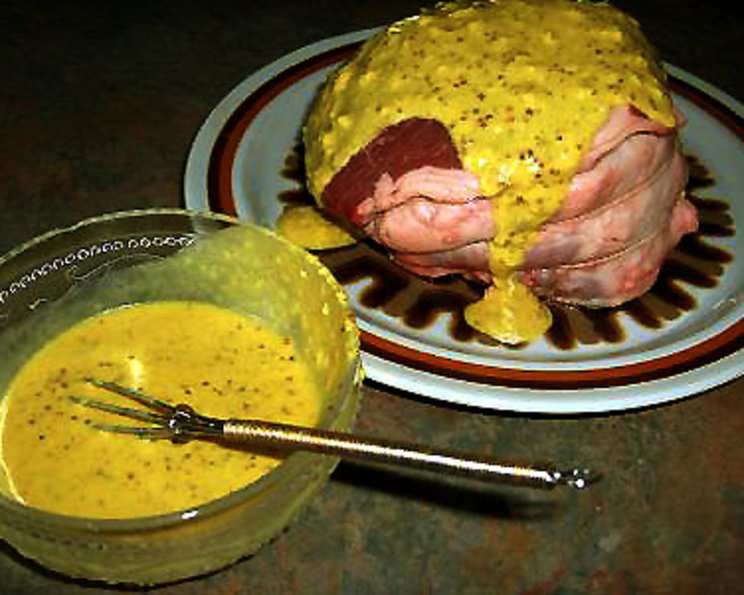
The Ultimate Roast Beef Slather: A Flavor Bomb for Your Sunday Roast
I still remember my grandmother’s Sunday dinners. The air in her small kitchen would be thick with anticipation, a symphony of roasting meats, simmering gravies, and freshly baked bread. But the real magic, the secret ingredient that elevated her roast beef from merely delicious to utterly unforgettable, was her “slather.” It wasn’t a complicated sauce, but a humble paste, rubbed generously onto the roast before it hit the oven. The aroma that wafted out as it cooked was intoxicating, a promise of the deep, savory, and slightly tangy flavors to come. This slather, a simple yet profound blend of pungent mustard, aromatic garlic, and a whisper of vinegar and oil, was her culinary superpower, and now, it’s yours too.
Recipe Overview
- Prep Time: 10 minutes
- Cook Time: 30-45 minutes (for slather application)
- Total Time: 40-55 minutes
- Servings: Enough for 1 3 lb roast
- Yield: Slather mixture
- Dietary Type: Adaptable (check ingredients)
Ingredients
This slather is designed for a 3-pound roast. Should you be tackling a larger cut, simply scale up these proportions.
- 2 tablespoons Dijon mustard
- 2 garlic cloves, smashed
- Fresh ground pepper, to taste
- 2 tablespoons red wine vinegar
- 1 tablespoon olive oil
- 1 tablespoon hot creamed horseradish
Equipment Needed
- Small mixing bowl
- Whisk or fork
- Measuring spoons
- Oven (for roasting the beef)
Instructions
This slather works wonders not just for its incredible flavor, but also as a tenderizer, promising a more succulent roast every time. The process is wonderfully straightforward, designed to infuse maximum flavor with minimal fuss.
- Prepare the Slather: In a small mixing bowl, combine the Dijon mustard, smashed garlic cloves, fresh ground pepper (season generously here; the roast can handle it!), red wine vinegar, olive oil, and hot creamed horseradish.
- Whisk to Combine: Using a whisk or a fork, thoroughly whisk all the ingredients together until they are well blended into a cohesive paste. Ensure the garlic is evenly distributed.
- Apply to the Roast: Take your 3-pound roast (or a larger one, adjusting quantities accordingly) and place it on a suitable roasting pan or rack. Generously smother the entire surface of the roast with the prepared slather mixture.
- Rub It In: Using your hands or the back of a spoon, rub the slather well into the roast. Ensure you get into any crevices and cover every surface to maximize flavor infusion and tenderizing.
- Marinate: Allow the roast, now coated in the slather, to stand at room temperature for 15 to 30 minutes before proceeding with your main roasting process. This resting period is crucial for the flavors to begin their work.
Expert Tips & Tricks
The beauty of this slather lies in its simplicity, but a few professional touches can elevate it further.
- Garlic Intensity: For a more pronounced garlic flavor, mince the garlic cloves finely instead of smashing them. Be mindful, though, that this can sometimes lead to burnt garlic bits if the roast is cooked at very high temperatures for extended periods.
- Pepper Power: Don’t be shy with the fresh ground pepper. It complements the tang of the mustard and vinegar beautifully and adds a pleasant warmth. Consider using a mix of black and white peppercorns for added complexity.
- Vinegar Nuance: While red wine vinegar is specified, feel free to experiment with other vinegars like sherry vinegar or even a good quality apple cider vinegar for a slightly different acidic profile.
- Horseradish Kick: The “hot creamed horseradish” provides a pleasant warmth. If you prefer a milder heat, use regular creamed horseradish, or for an extra punch, use prepared horseradish.
Serving & Storage Suggestions
This slather is designed to be roasted directly onto the beef. Once the roast is cooked to your desired doneness and rested, slice it thinly against the grain. The concentrated flavors from the slather will have permeated the meat, creating an incredibly satisfying bite.
Leftovers: Any leftover slather mixture can be stored in an airtight container in the refrigerator for up to 3 days. It’s also a fantastic base for a quick pan sauce. After roasting your beef, deglaze the pan with a splash of beef broth or red wine, scraping up any browned bits. Stir in a spoonful of leftover slather, simmer for a few minutes, and you’ll have a delicious gravy.
Nutritional Information
The nutritional information for this slather is based on the quantity used for a 3lb roast. Individual roast size and cooking method will affect the final nutritional breakdown per serving.
| Nutrient | Amount per Serving (approx.) | % Daily Value (approx.) |
|---|---|---|
| Calories | 45 | 2% |
| Total Fat | 4g | 5% |
| Saturated Fat | 0.5g | 3% |
| Cholesterol | 0mg | 0% |
| Sodium | 180mg | 8% |
| Total Carbohydrate | 3g | 1% |
| Dietary Fiber | 0.5g | 2% |
| Sugars | 1g | 1% |
| Protein | 1g | 2% |
Note: These are estimated values and can vary based on specific ingredient brands and portion sizes.
Variations & Substitutions
While this recipe is a classic for a reason, here are a few ways to subtly shift its profile:
- Herbal Infusion: For a more complex herbaceous note, finely chop a tablespoon of fresh rosemary or thyme and mix it into the slather.
- Spicy Twist: Add a pinch of cayenne pepper or a finely minced fresh chili pepper to the mixture for an extra kick.
- Umami Boost: A teaspoon of Worcestershire sauce can add another layer of savory depth.
- Mustard Variety: While Dijon is traditional, you could experiment with whole grain mustard for texture or a milder yellow mustard for a softer flavor.
FAQs
Q: Can I prepare the slather ahead of time?
A: Yes, you can prepare the slather up to a day in advance and store it in an airtight container in the refrigerator. Allow it to come to room temperature slightly before applying to the roast for easier spreading.
Q: How does the slather act as a tenderizer?
A: The acidity from the vinegar and the enzymes in the mustard and horseradish help to break down the tough connective tissues in the meat, resulting in a more tender roast.
Q: Can I use this slather on other cuts of meat?
A: Absolutely! This slather is versatile and works beautifully on pork roasts, lamb, and even thick-cut steaks before grilling.
Q: How do I know if I’ve used enough slather?
A: You want to ensure a good, even coating over the entire surface of the roast. Imagine you’re giving the meat a flavorful, pungent hug.
Q: What if I don’t have red wine vinegar?
A: In a pinch, white wine vinegar, sherry vinegar, or even apple cider vinegar can be used. Just ensure it’s a good quality vinegar for the best flavor.
Final Thoughts
This Roast Beef Slather is more than just a recipe; it’s an invitation to imbue your roast with a depth of flavor that will have your guests singing your praises. It’s a testament to how simple, quality ingredients, thoughtfully combined, can transform the ordinary into the extraordinary. Don’t hesitate to let this flavorful paste work its magic on your next Sunday roast, or even a weeknight steak. I often serve my roasts with simple roasted potatoes and green beans, allowing the rich flavor of the slathered beef to be the star of the show. Pour yourself a glass of a robust Cabernet Sauvignon or a medium-bodied Syrah, and savor the fruits of your labor. Happy cooking!