
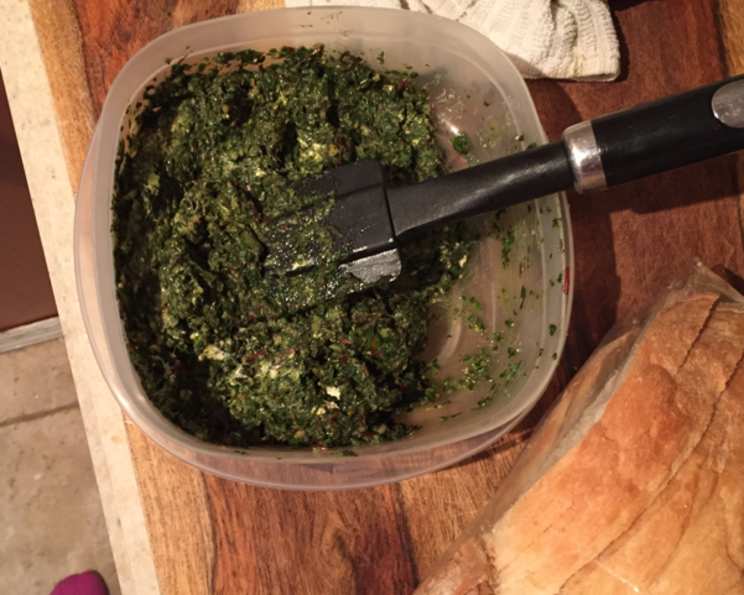
River Cottage Sorrel Pesto with Goat’s Cheese: A Symphony of Tang and Creaminess
There’s a particular thrill that comes with foraging, a primal connection to the earth that translates directly onto the plate. For me, that thrill often starts with a humble, yet vibrant green: sorrel. I remember one blustery spring afternoon at River Cottage, the air thick with the scent of damp soil and new growth, when Hugh Fearnley-Whittingstall himself showed us how to transform this lemony leaf into something truly magical. It wasn’t just a pesto; it was an explosion of bright, almost aggressive, freshness, softened and enriched by the creamy tang of goat’s cheese. This dish, in its simplicity and sheer flavour impact, has become a regular in my repertoire, a testament to the power of seasonal ingredients and thoughtful preparation.
Recipe Overview
- Prep Time: 10 minutes
- Cook Time: 0 minutes
- Total Time: 10 minutes
- Servings: 4
- Yield: Approximately 1 cup
- Dietary Type: Vegetarian
Ingredients
- 2 tablespoons pine nuts
- 1 small garlic clove, peeled and crushed
- Young sorrel (1-2 handfuls, about 45g in weight)
- Flat leaf parsley, stalks removed (1 small bunch)
- Sea salt, to taste
- 6 tablespoons extra virgin olive oil
- 30 g hard goat’s cheese, grated
Equipment Needed
- Small frying pan
- Food processor
Instructions
- Begin by toasting the pine nuts. Place them in a small frying pan over a medium heat. Gently toast them, stirring occasionally, until they are just beginning to turn a light golden colour. Be vigilant; pine nuts can go from perfectly toasted to burnt very quickly.
- Once toasted, immediately tip the pine nuts out of the pan and into the bowl of your food processor. This stops them from continuing to cook and potentially burning.
- Add the crushed garlic clove, the sorrel leaves, and the flat leaf parsley (ensure the stalks have been removed) to the food processor with the toasted pine nuts.
- Add a pinch of sea salt to the mixture.
- Pulse the ingredients in the food processor a few times. You’re looking for a roughly chopped and combined consistency at this stage. It shouldn’t be a smooth purée yet.
- With the food processor running, slowly begin to pour in the extra virgin olive oil. Continue to pulse and process until the pesto reaches your desired consistency. Some prefer a chunkier pesto, while others like it smoother.
- Transfer the pesto mixture from the food processor into a clean bowl.
- Add the grated hard goat’s cheese to the bowl with the pesto.
- Gently stir the goat’s cheese into the pesto mixture until it is well incorporated. The cheese will add a wonderful creaminess and a further layer of tangy flavour.
Expert Tips & Tricks
When toasting your pine nuts, patience is key. A medium heat allows them to warm through and release their oils without scorching. Keep them moving, and once they show the slightest hint of colour, get them out of the pan. If your sorrel is particularly large or tough, you might want to give it a quick chop before adding it to the food processor, ensuring a more even texture in the final pesto. Don’t be afraid to adjust the salt to your liking – the sorrel itself has a natural tang, so taste as you go. The quality of your extra virgin olive oil will significantly impact the final flavour, so use the best you can afford.
Serving & Storage Suggestions
This River Cottage Sorrel Pesto with Goat’s Cheese is incredibly versatile. It’s absolutely divine tossed with hot pasta, particularly gnocchi or a delicate linguine. It also works wonders spooned over grilled chicken breasts, pan-fried fish, or even spread onto warm crusty bread. To serve, simply toss with your chosen base ingredient and perhaps a little extra drizzle of olive oil.
For storage, this pesto is best kept fresh. Spoon the finished pesto into a clean jar. To help preserve its freshness and prevent oxidisation, create a slick of extra virgin olive oil over the top, covering the entire surface of the pesto. Seal the jar tightly. It will keep in the refrigerator for about a week.
Nutritional Information
| Nutrient | Amount per Serving (approx.) | % Daily Value |
|---|---|---|
| Calories | 235.8 kcal | N/A |
| Total Fat | 25.4 g | 39% |
| Saturated Fat | 4.5 g | 22% |
| Cholesterol | 5.9 mg | 1% |
| Sodium | 39.2 mg | 1% |
| Total Carbohydrate | 1 g | 0% |
| Dietary Fiber | 0.2 g | 0% |
| Sugars | 0.3 g | 1% |
| Protein | 2.2 g | 4% |
Nutritional information is an estimate and can vary based on specific ingredients used.
Variations & Substitutions
While the classic combination of sorrel and goat’s cheese is hard to beat, feel free to experiment. If you can’t find sorrel, a mix of baby spinach and a good squeeze of lemon juice can offer a similar, albeit less intense, tang. For a nut-free version, toasted sunflower seeds or pumpkin seeds can be used in place of pine nuts. If you’re not a fan of goat’s cheese, a good quality, mature Pecorino Romano or even a crumbly Feta could provide a different, but equally delicious, salty kick. For a vegan twist, omit the goat’s cheese entirely and perhaps add a touch more olive oil or a tablespoon of nutritional yeast for a cheesy umami flavour.
FAQs
Q: How can I ensure my pesto doesn’t turn brown?
A: The best way to prevent your sorrel pesto from browning is to store it with a layer of olive oil on top, as this creates a barrier against the air. Processing it just before serving also helps maintain its vibrant green colour.
Q: What makes sorrel pesto so tangy?
A: Sorrel is naturally rich in oxalic acid, which gives it a distinctive sharp, lemony flavour that is quite different from basil pesto. This inherent tanginess is what makes it so refreshing.
Q: Can I make this pesto without a food processor?
A: Absolutely! You can achieve a delicious pesto using a mortar and pestle. This method requires more effort but can yield a wonderfully textured pesto. Start by grinding the garlic and salt, then add the nuts, followed by the sorrel and parsley. Gradually incorporate the olive oil as you pound and stir.
Q: How can I use up the leftover pesto?
A: Beyond pasta, leftover sorrel pesto is fantastic as a marinade for chicken or fish, a flavour boost for salad dressings, or even stirred into scrambled eggs or omelettes for a sophisticated breakfast.
Q: Is it safe to eat sorrel raw?
A: Yes, sorrel is perfectly safe to eat raw, and in fact, its bright, fresh flavour is best showcased when uncooked.
Final Thoughts
This River Cottage Sorrel Pesto with Goat’s Cheese is more than just a recipe; it’s an invitation to explore the vibrant, often overlooked, flavours of the wild. It’s a dish that speaks of spring and early summer, of fresh breezes and sun-dappled meadows. Whether you’ve had the pleasure of foraging for your own sorrel or are picking some up from your local market, I urge you to give this recipe a try. It’s a simple, yet profoundly flavourful creation that’s sure to elevate your cooking and delight your taste buds. Serve it with a crisp white wine, perhaps a Sauvignon Blanc, and enjoy the pure, unadulterated taste of nature’s bounty.