
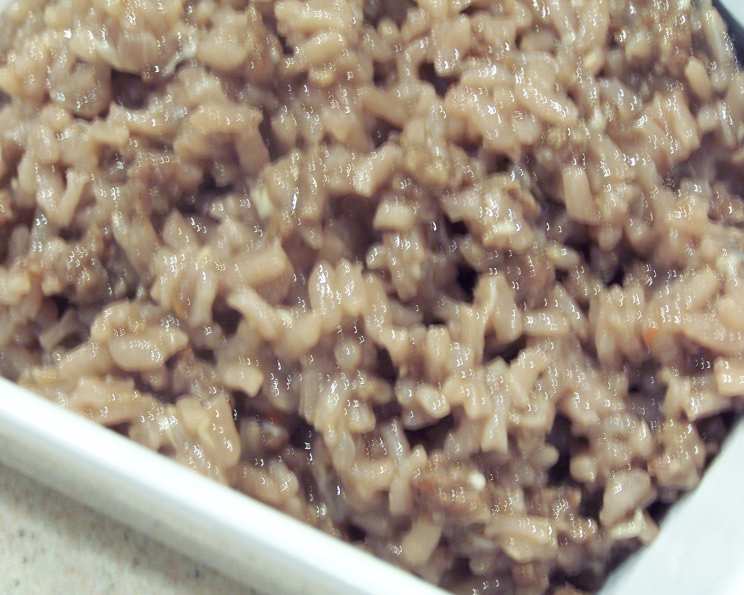
Risotto with Red Wine and Italian Sausages: A Symphony of Flavor
There are few dishes that speak to my soul quite like a perfectly executed risotto. It’s a labor of love, a meditative process that, when done right, rewards you with a creamy, comforting hug in a bowl. I remember, years ago, tinkering with a recipe that called for red wine and Italian sausage. The vibrant hue the wine imparted, staining the rice a beautiful, deep ruby, was mesmerizing. Combined with the savory, slightly spiced kick of the sausage, it felt like a culinary revelation – a dish that was both rustic and refined, a perfect antidote to a chilly evening. This particular iteration, inspired by the brilliant Australian food writer Jill Dupleix, has become a cherished classic in my repertoire, a testament to how simple, quality ingredients, treated with care, can create something truly extraordinary.
Recipe Overview
- Prep Time: 15 minutes
- Cook Time: 30 minutes
- Total Time: 45 minutes
- Servings: 4
- Yield: Approximately 4 servings
- Dietary Type: Not specified
Ingredients
- 275 g Italian pork sausages
- 1 tablespoon extra virgin olive oil
- 2 tablespoons butter
- 1 onion, finely chopped
- 300 g Arborio rice
- 200 ml red wine
- 1 1/3 liters chicken stock, heated
- 2 tablespoons Parmesan cheese, freshly grated
- Sea salt, to taste
- Fresh ground black pepper, to taste
Equipment Needed
- Large, non-stick frying pan
- Saucepan (for heating stock)
- Wooden spoon
Instructions
- Prepare the Sausage: Begin by taking the skin off the Italian pork sausages. Once the skins are removed, pinch the sausage meat into bite-sized pieces directly into a large, non-stick frying pan. Fry the meat over medium-high heat until it is crusty and golden brown. Once cooked, drain off any excess oil from the pan, and set the cooked sausage meat aside.
- Sauté the Aromatics: In the same non-stick frying pan (you can wipe it clean if there’s too much residual fat, or use it as is if there’s a good fond), heat the extra virgin olive oil and half of the butter over medium heat. Add the finely chopped onion and fry gently until it is softened but not browned. You want the onions to be translucent and sweet.
- Toast the Rice: Add the Arborio rice to the pan with the softened onions. Using a wooden spoon, toss the rice well to coat each grain in the buttery onions and oil. This toasting step is crucial for developing the risotto’s texture and nutty flavor.
- Deglaze with Red Wine: Pour in the red wine. Bring the mixture to a boil, stirring constantly. Continue to stir until the wine has been almost entirely absorbed by the rice, and the harsh alcohol smell has dissipated. The rice will start to take on a beautiful rosy hue.
- The Gradual Stock Addition: Now, the heart of risotto making begins. Add one ladleful of the hot chicken stock to the rice. Stir carefully over medium heat until the stock has been almost completely absorbed by the rice. This process should be gentle but consistent.
- Continue Adding Stock: Continue to add the chicken stock, one ladleful at a time, waiting for each addition to be absorbed before adding the next. This process should take approximately 20 minutes. Keep stirring gently throughout this stage to encourage the release of starch from the rice, which is what creates that signature creamy texture.
- Incorporate the Sausage: After about 20 minutes of stock addition, add the reserved sausage meat back into the risotto. Stir well to distribute it evenly throughout the rice.
- Continue Cooking: Continue to stir and add stock for another 10 minutes. The total cooking time for the rice, from the first addition of stock, will be around 30 minutes. The rice should be cooked through but still have a slight bite – it should not be soft or mushy.
- Finish and Rest: Turn off the heat. Add the freshly grated Parmesan cheese and the remaining butter to the risotto. Season generously with sea salt and freshly ground black pepper to taste. Stir through to combine, allowing the cheese and butter to melt into the creamy rice.
- Rest: Cover the pan with a lid or foil and leave the risotto to rest for 3-4 minutes before serving. This resting period allows the flavors to meld beautifully and the risotto to reach its perfect, luscious consistency.
Expert Tips & Tricks
The beauty of risotto lies in its simplicity, but a few techniques can elevate it from good to truly exceptional. When preparing the sausage, ensure you get a good crust on the meat; this adds immense depth of flavor. Don’t rush the stock addition – patience is key to a creamy risotto. Stirring constantly, but not vigorously, is crucial. You want to encourage the starch release without breaking down the rice grains entirely. If you find your stock is absorbing too quickly, you can lower the heat slightly. Conversely, if it’s taking too long, a slightly higher heat might be needed. The final resting period is non-negotiable; it allows the risotto to marry its flavors and achieve that perfect, flowing texture that is the hallmark of a great risotto.
Serving & Storage Suggestions
Serve this rich and flavorful risotto immediately, ladled into warm bowls. A final sprinkle of freshly grated Parmesan cheese and a crack of black pepper makes for a beautiful and delicious presentation. Risotto is best enjoyed fresh, as its texture can change upon sitting. If you do have leftovers, store them in an airtight container in the refrigerator for up to 2 days. To reheat, gently warm the risotto in a saucepan over low heat, adding a splash of stock or water to loosen it up and restore its creaminess. Be mindful not to overheat, as this can make the rice gummy. Freezing risotto is generally not recommended, as the texture can become compromised.
Nutritional Information
| Nutrient | Amount per Serving | % Daily Value |
|---|---|---|
| Calories | 950 kcal | |
| Calories from Fat | 456 kcal | |
| Total Fat | 50.7 g | 78% |
| Saturated Fat | 17.8 g | 89% |
| Cholesterol | 126.3 mg | 42% |
| Sodium | 1428.7 mg | 59% |
| Total Carbohydrate | 75.2 g | 25% |
| Dietary Fiber | 2.5 g | 9% |
| Sugars | 6.7 g | 26% |
| Protein | 35.2 g | 70% |
Note: Nutritional information is an estimate and can vary based on specific ingredients and portion sizes.
Variations & Substitutions
While this recipe is wonderfully balanced as is, feel free to experiment. For a spicier kick, use hot Italian pork sausages. If you prefer a leaner option, chicken or turkey sausages can be used, though they may alter the flavor profile slightly. For a vegetarian version, omit the sausages and sauté finely diced mushrooms (such as cremini or shiitake) and perhaps some diced bell peppers or roasted red peppers along with the onions. For a richer, more complex flavor, a good quality beef stock can be used instead of chicken stock, though this will significantly change the color and depth of the dish. A touch of fresh rosemary or thyme added with the onions can also provide a lovely aromatic lift.
FAQs
Q: Why is my risotto not creamy?
A: Creaminess in risotto comes from the starch released from the Arborio rice. Ensure you’re using Arborio (or Carnaroli) rice, toast it properly, and stir consistently as you add the stock. Avoid rinsing the rice before cooking, as this washes away the starch.
Q: Can I use a different type of rice for risotto?
A: While Arborio is traditional, Carnaroli rice is also an excellent choice and is often considered the “king” of risotto rice due to its high starch content and firm texture. Short-grain rice varieties with a high starch content can sometimes work, but the texture may vary.
Q: How do I know when the risotto is cooked?
A: The rice should be al dente – tender but still with a slight chew in the center. It should be creamy and flowing, not stiff or dry.
Q: Can I prepare risotto ahead of time?
A: Risotto is best served immediately after cooking. While you can partially cook it and finish it later, the texture is optimized when made fresh.
Q: What kind of red wine is best for risotto?
A: A dry red wine with good flavor is ideal. A Merlot, Chianti, or a simple table red wine will work well. Avoid sweet or overly tannic wines, as they can overpower the dish.
This risotto with red wine and Italian sausages is more than just a meal; it’s an experience. It’s a dish that invites you to slow down, to engage with the ingredients, and to savor the unfolding flavors. It pairs wonderfully with a simple green salad dressed with a sharp vinaigrette to cut through the richness, and of course, a glass of the same red wine used in the cooking. I hope you find as much joy in making and eating it as I do. Let me know your thoughts when you try it!