
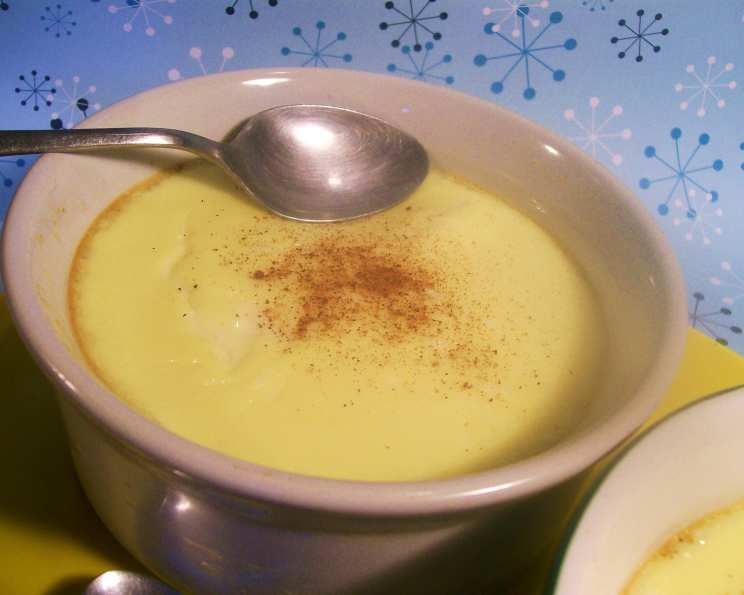
The Timeless Allure of Rich Baked Custard
There’s a comforting hum in my kitchen that always arises when I’m about to embark on the journey of making a truly classic baked custard. It’s a scent that instantly transports me back to my grandmother’s kitchen, a place where warmth wasn’t just about the oven but about the palpable love poured into every dish. I remember peering over the counter, mesmerized by the simple elegance of a few ingredients transforming into something so profoundly satisfying. The gentle wobble of the set custard, the faint aroma of vanilla – these sensory memories are etched into my culinary soul, a constant reminder of the magic that can be found in unpretentious, beautifully executed desserts.
Recipe Overview
- Prep Time: 10 minutes
- Cook Time: 45 minutes
- Total Time: 55 minutes
- Servings: 6
- Yield: 6 individual custards
- Dietary Type: Dairy
Ingredients
The beauty of this custard lies in its profound simplicity, relying on just a handful of pantry staples to create something truly special.
- 4 large eggs, lightly beaten
- ½ cup granulated sugar
- ¼ teaspoon salt
- 1 teaspoon vanilla extract
- 1 quart whole milk, warmed
Equipment Needed
While the ingredient list is short, a few key pieces of equipment will ensure success.
- 6 ramekins (about 6-ounce capacity)
- Roasting pan (large enough to hold the ramekins)
- Whisk
- Saucepan (for warming milk)
- Oven
- Cooling rack
Instructions
Crafting a perfect baked custard is a testament to patience and precision, a gentle dance between heat and simple ingredients.
- Preheat your oven to 325°F (160°C). This moderate temperature is crucial for allowing the custard to cook gently and evenly, preventing the dreaded curdling or over-baking.
- Combine all ingredients thoroughly. In a medium bowl, whisk together the lightly beaten eggs, granulated sugar, salt, and vanilla extract. Stir until the sugar is dissolved and the mixture is well combined. Be mindful as you whisk; the goal is to incorporate the ingredients without introducing an excessive amount of air, which can create an undesirable bubbly texture in the finished custard.
- Divide custard between 6 ramekins. Carefully ladle the egg mixture into your individual ramekins, distributing it evenly among them.
- Prepare the water bath. Arrange the filled ramekins in the large roasting pan. Place the roasting pan on your oven rack. Pour hot water around the ramekins, ensuring it comes up about 1 inch deep. This water bath, or bain-marie, is essential. It insulates the custards from the direct heat of the oven, creating a humid environment that promotes even cooking and a silky-smooth texture.
- Bake for 45 minutes. Carefully slide the oven rack back into the preheated oven. Bake for approximately 45 minutes. The custards are ready when they are set, but the center still jiggles slightly. You can also test for doneness by inserting the tip of a thin knife into the center; it should come out clean. Overbaking will result in a rubbery texture, so err on the side of slightly underdone if you’re unsure.
- Serve warm or cold. Once baked, carefully remove the roasting pan from the oven. Let the ramekins sit in the water bath for a few minutes before carefully transferring them to a cooling rack. Custard can be enjoyed immediately while still warm, or chilled in the refrigerator for a delightful cool treat.
Expert Tips & Tricks
Achieving custard perfection often comes down to a few nuanced techniques that elevate it from good to truly exceptional.
- Warming the Milk: Gently warming the milk before combining it with the egg mixture is a small but significant step. It helps the ingredients meld more smoothly and reduces the risk of scrambling the eggs when you combine them. Don’t boil the milk; just bring it to a gentle simmer.
- The Art of the Water Bath: Don’t skip the water bath! It’s the secret weapon for achieving that impossibly smooth, silken texture. If you don’t have a roasting pan large enough, you can often use a larger baking dish. Ensure the water doesn’t come so high that it could seep into the ramekins.
- Avoiding Air Bubbles: When whisking the egg mixture, try to do so gently. Over-whisking can incorporate a lot of air, which will rise to the surface during baking and create small holes. If you do notice a few bubbles on the surface before baking, you can gently pop them with a toothpick.
- Testing for Doneness: The “jiggle test” and the “knife test” are your best friends here. The center should have a slight wobble, like unset Jell-O, indicating it will continue to set as it cools. A knife inserted near the center should come out clean, proving the proteins have set.
Serving & Storage Suggestions
A classic baked custard is a blank canvas, begging for simple accompaniments that highlight its delicate flavor and creamy texture.
Serving:
This custard is exquisite served simply on its own, allowing its inherent richness to shine. For a touch of elegance, a light dusting of freshly grated nutmeg is a traditional and delightful choice. A small dollop of whipped cream or a few fresh berries can also add a lovely contrast in both flavor and texture. Serve warm for immediate gratification, or chilled for a refreshing dessert experience.
Storage:
Leftover baked custard can be stored in the refrigerator, covered tightly with plastic wrap, for up to 3-4 days. The flavor and texture are often even better on the second day. It is not recommended for freezing, as the texture can become watery and grainy upon thawing. To reheat, gently warm in a low oven (around 300°F or 150°C) or in the microwave on a low power setting, stirring occasionally, until just warmed through.
Nutritional Information
While this classic dessert is a treat, understanding its nutritional profile is always helpful. Please note that these are approximate values and can vary based on specific ingredient brands and exact measurements.
| Nutrient | Amount per Serving | % Daily Value |
|---|---|---|
| Calories | 213.4 kcal | |
| Calories from Fat | 76 kcal | |
| Total Fat | 8.5 g | 13% |
| Saturated Fat | 4.1 g | 20% |
| Cholesterol | 140.3 mg | 46% |
| Sodium | 214.4 mg | 8% |
| Total Carbohydrate | 24.8 g | 8% |
| Dietary Fiber | 0 g | 0% |
| Sugars | 25.1 g | 100% |
| Protein | 9.3 g | 18% |
Variations & Substitutions
The humble baked custard readily accepts delightful variations, transforming it into a new creation while retaining its comforting essence.
- Spiced Custard: Infuse a warm spice blend into the milk while it’s warming. Cinnamon, cardamom, or a pinch of ground cloves can add a lovely aromatic depth. Strain the milk before combining it with the eggs to remove any spice solids.
- Citrus Zest: Adding the zest of a lemon or orange to the egg mixture before baking brings a bright, zesty counterpoint to the creamy richness.
- Coffee or Chocolate: For a decadent twist, steep a few coffee beans in the warming milk or whisk in a tablespoon or two of good quality unsweetened cocoa powder into the egg mixture. Ensure the cocoa powder is fully incorporated to avoid clumps.
- Dairy-Free Options: While this recipe calls for whole milk, you can explore dairy-free alternatives. Full-fat coconut milk can yield a wonderfully rich and creamy result, though it will impart a subtle coconut flavor. Other non-dairy milks can be used, but they may result in a less rich custard.
FAQs
Q: Why is my custard watery or curdled?
A: This usually happens from overcooking or using water that is too hot in the bain-marie. Ensure the oven temperature is correct and that the custard is removed when the center still has a slight wobble.
Q: Can I make baked custard in a larger dish instead of ramekins?
A: Yes, you can bake it in a single larger pie plate or baking dish, but the cooking time will need to be adjusted, and it may not set as evenly as individual custards.
Q: How do I prevent a skin from forming on top of my custard?
A: A skin can sometimes form from the milk proteins coagulating at the surface during baking. Gently stirring the custard as it cools, or covering it immediately after removing it from the oven (though this can trap steam), can help minimize it. You can also remove any skin that forms before serving.
Q: Can I add more sugar for a sweeter custard?
A: You can adjust the sugar to your preference, but be aware that significantly increasing the sugar can affect the custard’s setting properties and potentially lead to a coarser texture.
Q: Is baked custard a healthy dessert?
A: While it’s a rich and satisfying dessert made with whole ingredients, it is typically high in fat and sugar due to the milk, eggs, and sugar. Enjoying it in moderation is key.
A Taste of Comfort
There is a profound comfort to be found in a simple, well-executed baked custard. It’s a dessert that speaks of tradition, of care, and of the pure joy of uncomplicated flavors. I encourage you to embrace the gentle rhythm of its preparation, to savor the aroma as it bakes, and most importantly, to relish that first spoonful of silken perfection. It’s a timeless classic for a reason, a testament to the fact that sometimes, the most extraordinary moments come from the simplest of ingredients. Pair it with a cup of softly brewed black tea or a small glass of sweet dessert wine for an experience that’s truly divine.