
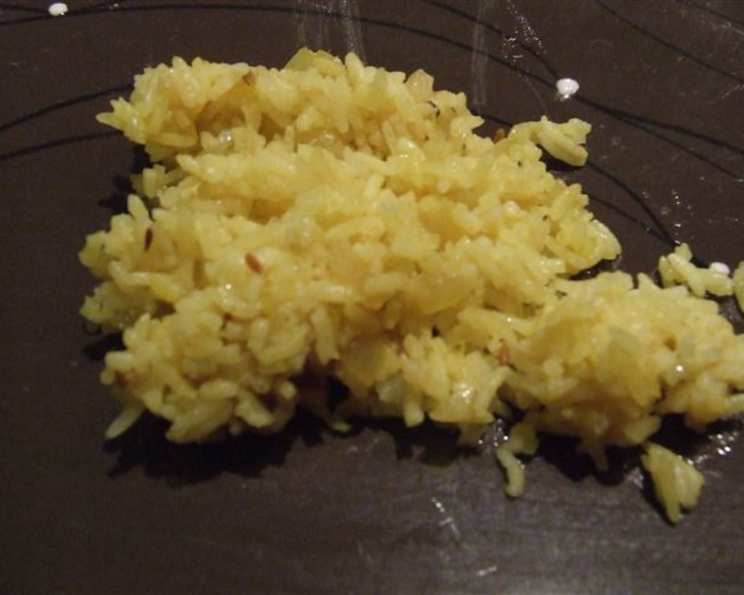
The Soulful Simplicity of Basmati Pulao
There are dishes that whisper tales of bustling markets, of spices carried on warm breezes, and of generations gathered around a shared meal. Basmati Pulao is one such dish for me. I remember, as a child, the aromatic magic that would fill our kitchen whenever my mother decided to make it. It wasn’t just the scent of toasted spices or the nutty fragrance of basmati rice; it was the promise of something comforting, something deeply satisfying. She’d meticulously wash the rice until the water ran clear, a ritual that always felt like a prelude to something special. The humble ingredients, when coaxed together in her capable hands, transformed into a symphony of flavors and textures, a testament to the power of simple, well-loved recipes.
Recipe Overview
- Prep Time: 15 minutes
- Cook Time: 30 minutes
- Total Time: 45 minutes
- Servings: 6
- Yield: 4-6 servings
- Dietary Type: Vegetarian
Ingredients
This pulao relies on the foundational aromatics and spices that are the backbone of so many flavorful Indian dishes.
- 300 g basmati rice
- 1 medium onion, finely chopped
- 1 tablespoon oil (such as vegetable or canola)
- 1/2 teaspoon salt
- 1/2 teaspoon cumin seed
- 1/2 teaspoon black mustard seeds
- 1/2 teaspoon ground cumin
- 1/2 teaspoon ground coriander
- 1/2 teaspoon turmeric
- 2 whole cinnamon sticks
- 4 whole cardamom pods, slightly crushed
- 2 whole cloves
- 1 whole bay leaf
- 600 ml boiling water
Equipment Needed
- A large, heavy-bottomed saucepan or pot with a tight-fitting lid
- A sheet of aluminum foil
Instructions
Crafting a perfect pulao is an art of mindful steps, allowing each ingredient to contribute to the final harmonious dish.
-
Begin by preparing the basmati rice. Wash it thoroughly under cold running water, rinsing and draining multiple times until the water runs clear. This crucial step removes excess starch, ensuring each grain remains separate and fluffy. Once washed, set the rice aside to drain in a sieve.
-
In a large, heavy-bottomed saucepan, heat the oil over medium heat.
-
Add the finely chopped onion to the hot oil. Sauté the onion, stirring occasionally, until it becomes soft and translucent, taking on a pale golden hue. This process should take about 5-7 minutes.
-
Introduce the whole spices: cumin seeds and black mustard seeds. Cook for approximately two minutes, stirring constantly. You’ll notice the mustard seeds begin to pop and the cumin seeds become fragrant, releasing their essential oils into the hot oil.
-
Now, add the ground spices. Stir in the salt, ground cumin, ground coriander, and turmeric. Mix well, allowing the spices to toast in the oil for about 30 seconds until their aroma intensifies. Be careful not to burn them.
-
Add the drained basmati rice to the saucepan. Mix gently but thoroughly, ensuring that every grain of rice is well coated by the aromatic spice mixture. Continue to stir and cook for about 1-2 minutes, allowing the rice to absorb some of the flavors.
-
Pour in the boiling water. Add the cinnamon sticks, cardamom pods, cloves, and bay leaf to the pot. Stir everything together to combine.
-
To create a tight seal and ensure even cooking, cover the pan first with a sheet of aluminum foil, pressing it down around the edges to create a good seal. Then, place the lid firmly over the foil. The goal is to trap the steam effectively.
-
Bring the liquid to a gentle simmer, then reduce the heat to low. Allow to simmer slowly for exactly 15 minutes. It is imperative that you do not remove the lid to peek during this time, as this will release the trapped steam and can affect the texture of the rice.
-
After 15 minutes, turn off the heat. Carefully remove the lid (be mindful of the escaping steam). Use a fork to gently fork through the rice to make it fluffy and separate the grains.
-
Once fluffed, cover the pan again (you can use the same foil and lid) and allow it to rest for 5 minutes. This resting period allows the residual steam to finish cooking the rice evenly, resulting in a perfectly tender and aromatic pulao.
-
Serve the pulao hot, either on its own or as a flavorful accompaniment to your favorite curry.
Expert Tips & Tricks
- Rice Quality Matters: Always use good quality basmati rice. Its long, slender grains are perfect for pulao, offering that characteristic fragrant and fluffy texture.
- Don’t Skip the Wash: Rinsing the rice is non-negotiable for a non-sticky pulao. Aim for water that runs completely clear.
- A Good Seal is Key: The foil and lid combination is crucial for steaming. Ensure a snug fit to lock in the moisture. If your lid isn’t tight, you might need to weigh it down with a heavy object.
- Low and Slow: The simmering phase is where the magic happens. A low, gentle heat ensures the rice cooks through without burning.
- The Power of Rest: That final 5-minute rest is your secret weapon for perfectly fluffy rice. Resist the urge to stir it immediately after turning off the heat.
Serving & Storage Suggestions
This Basmati Pulao is a wonderfully versatile dish. It shines as a standalone side, its fragrant notes and delicate texture complementing a variety of main courses. It’s particularly delightful served alongside rich, saucy curries, where it acts as a perfect canvas to soak up all those delicious flavors. For an attractive presentation, fluff the rice gently with a fork and spoon it into a serving bowl. You can also garnish with fresh cilantro or fried onions for an added touch of color and crunch.
Leftovers can be stored in an airtight container in the refrigerator for up to 2-3 days. To reheat, gently warm it in a saucepan over low heat with a tablespoon or two of water, or microwave until heated through, fluffing with a fork after reheating. While it’s best enjoyed fresh, proper storage ensures its flavor and texture are maintained.
Nutritional Information
Here’s an approximate nutritional breakdown for a serving of this Basmati Pulao. Please note that these values can vary based on the specific brands and quantities of ingredients used.
| Nutrient | Amount per Serving | % Daily Value |
|---|---|---|
| Calories | 216.4 kcal | 11% |
| Total Fat | 3.9 g | 5% |
| Saturated Fat | 0.6 g | 3% |
| Cholesterol | 0 mg | 0% |
| Sodium | 200.5 mg | 9% |
| Total Carbohydrate | 40.9 g | 15% |
| Dietary Fiber | 2.2 g | 8% |
| Sugars | 1.2 g | 2% |
| Protein | 4.3 g | 9% |
| Calories from Fat | 35 g |
Variations & Substitutions
While this recipe is wonderfully classic, feel free to experiment! For a touch of sweetness and added color, you can add a handful of raisins or dried cranberries along with the rice. A few cashews or almonds, lightly fried in a separate pan, can also be a delightful textural addition stirred in at the end. If you prefer a richer flavor profile, a teaspoon of ghee can be used instead of oil for sautéing the onions and spices.
FAQs
Q: Why do I need to wash the basmati rice?
A: Washing removes excess starch, which prevents the grains from clumping together and results in a fluffy, separate texture.
Q: Can I use a different type of rice?
A: While other long-grain rice varieties might work, basmati is preferred for its distinct aroma and slender grains that yield the best results for this dish.
Q: What happens if I peek during the simmering phase?
A: Peeking releases the trapped steam, which is essential for cooking the rice evenly. It can lead to undercooked or gummy rice.
Q: How can I make my pulao more flavorful?
A: Ensure your spices are fresh and fragrant, and toast them lightly in the oil before adding the rice and water.
Q: Can I add vegetables to this pulao?
A: Absolutely! Peas, carrots, or even finely chopped bell peppers can be added along with the onions or just before adding the rice for a more complete meal.
The beauty of Basmati Pulao lies in its elegant simplicity. It’s a dish that speaks of home, of comfort, and of the joy of sharing a thoughtfully prepared meal. I encourage you to embrace the process, savor the aromatic journey, and enjoy the delightful results. May it bring as much warmth and happiness to your table as it has to mine.