
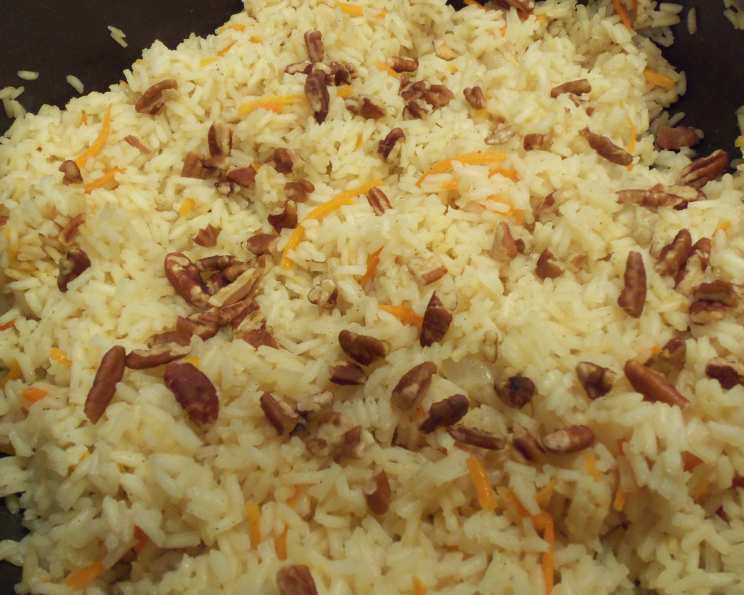
Aromatic Rice Pilaf with Toasted Pecans: A Symphony of Textures and Flavors
I still remember the first time I encountered a truly elevated rice pilaf. It wasn’t the bland, mushy stuff often served as a side dish; this was a revelation. A gentle perfume of spices, the subtle sweetness of dried fruit, and the unexpected, delightful crunch of toasted nuts—it was a culinary moment that shifted my perspective on what a simple grain could become. This particular Rice Pilaf with Pecans, a gem from Cooking Light’s April 1995 archives, echoes that initial enchantment. It’s a dish that feels both comforting and sophisticated, capable of gracing a weeknight dinner table or a festive holiday spread with equal aplomb. The way the pecans toast and their rich, earthy notes mingle with the fragrant rice and hints of citrus is nothing short of magical.
Recipe Overview
- Prep Time: 20 minutes
- Cook Time: 20 minutes
- Total Time: 40 minutes
- Servings: 12
- Yield: 12 cups
- Dietary Type: Can be adapted to vegetarian/vegan
Ingredients
This pilaf relies on a thoughtful balance of aromatics, liquids, and textural elements to create a dish that sings.
- 3 tablespoons olive oil
- 1 cup carrot, julienned and cut into 1-inch pieces
- 3⁄4 cup onion, finely chopped
- 5 cups low sodium chicken broth (or vegetable broth for a vegetarian option)
- 1 cup orange juice
- 3 cups long-grain rice, uncooked
- 1⁄2 cup golden raisin
- 1 tablespoon sugar
- 3⁄4 teaspoon salt
- 1⁄4 teaspoon ground cinnamon
- 6 tablespoons pecans, finely chopped
Equipment Needed
You won’t need a battalion of specialized tools for this recipe. A few standard kitchen essentials will do the trick:
- A large Dutch oven or a heavy-bottomed pot with a tight-fitting lid. This is crucial for even cooking and preventing scorching.
- A measuring cup and spoons for accurate ingredient portions.
- A cutting board and a sharp knife for prepping your vegetables.
- A stirring spoon or spatula.
Instructions
The beauty of this pilaf lies in its straightforward preparation. Follow these steps closely, and you’ll be rewarded with a magnificent side dish.
-
Sauté the Aromatics: Begin by heating the olive oil in your large Dutch oven or pot over medium-high heat. Once the oil is shimmering, carefully add the julienned carrots and finely chopped onion. Sauté these vegetables, stirring occasionally, for about 5 minutes, until they begin to soften and become fragrant. This initial sauté helps to draw out their natural sweetness and build a foundational layer of flavor.
-
Build the Flavor Base: Pour in the low sodium chicken broth and the orange juice. Bring this liquid mixture to a rolling boil over medium-high heat.
-
Incorporate the Rice and Seasonings: Once boiling, add the uncooked long-grain rice, golden raisins, sugar, salt, and ground cinnamon to the pot. Stir everything gently to ensure the rice is fully submerged and the ingredients are evenly distributed.
-
Simmer to Perfection: Cover the pot tightly with its lid. Immediately reduce the heat to low and simmer gently for 20 minutes, or until all the liquid has been absorbed by the rice. It’s vital to avoid lifting the lid during this simmering period, as this releases precious steam that is essential for cooking the rice evenly.
-
The Pecan Finish: After the 20 minutes of simmering, remove the pot from the heat. Sprinkle the finely chopped pecans evenly over the top of the pilaf. Replace the lid and let the pilaf stand for about 5 minutes. This resting period allows the pecans to slightly toast in the residual heat, releasing their nutty aroma and flavor, and allows the rice to finish steaming and become perfectly fluffy.
Expert Tips & Tricks
To elevate your Rice Pilaf with Pecans from good to truly exceptional, consider these professional insights:
- Toasting the Pecans (Optional but Recommended): While the residual heat will lightly toast the pecans, for an even more pronounced nutty flavor, you can lightly toast them separately. Spread the chopped pecans on a small baking sheet and toast in a 350°F (175°C) oven for 5-7 minutes, or in a dry skillet over medium heat, stirring frequently, until fragrant. Watch them closely as they can burn quickly.
- The Rice Ratio is Key: Using long-grain rice is important for pilaf as it tends to cook up fluffy and separate. If you’re unsure about your rice, a quick rinse under cold water before adding it can help remove excess starch, further ensuring a non-clumpy result.
- Broth Quality Matters: The flavor of your broth will directly impact the final dish. Opt for a low sodium chicken broth so you can control the saltiness yourself. If you’re making this vegetarian or vegan, a good quality vegetable broth is an excellent substitute.
- Don’t Over-Stir: Once the rice is simmering, resist the urge to stir it too much. Over-stirring can break down the grains and lead to a gummy texture.
- Flavorful Additions: Feel free to add a pinch of nutmeg or a whisper of clove along with the cinnamon for a more complex spice profile. A bay leaf added during the boiling stage and removed before serving can also lend a subtle depth.
Serving & Storage Suggestions
This Rice Pilaf with Pecans is incredibly versatile. Serve it warm as a delightful accompaniment to roasted meats like chicken, pork, or lamb. It also pairs beautifully with grilled fish or as a substantial side for vegetarian entrees.
For storage, allow the pilaf to cool completely before transferring it to an airtight container. It will keep well in the refrigerator for up to 3-4 days. To reheat, you can gently warm it in a skillet over low heat with a splash of broth or water to rehydrate the grains, or microwave it until heated through. While it can be frozen, the texture of the rice might change slightly upon thawing.
Nutritional Information
Here’s an estimated nutritional breakdown for this aromatic pilaf.
| Nutrient | Amount per Serving | % Daily Value |
|---|---|---|
| Calories | 303.8 kcal | – |
| Calories from Fat | 85 kcal | – |
| Total Fat | 9.5 g | 14% |
| Saturated Fat | 1.2 g | 5% |
| Cholesterol | 0 mg | 0% |
| Sodium | 186.4 mg | 7% |
| Total Carbohydrate | 49.2 g | 16% |
| Dietary Fiber | 2.1 g | 8% |
| Sugars | 7.8 g | 31% |
| Protein | 6.5 g | 13% |
Note: Nutritional values are approximate and can vary based on specific ingredients used.
Variations & Substitutions
While this recipe is fantastic as is, it also offers a wonderful canvas for creativity.
- Nut Alternatives: If pecans aren’t your favorite, walnuts or sliced almonds would also be delicious. For an allergen-friendly option, omit the nuts entirely, or consider toasted sunflower or pumpkin seeds.
- Dried Fruit Swaps: Beyond golden raisins, consider incorporating dried cranberries for a tart counterpoint, or chopped dried apricots for a chewier texture and brighter sweetness.
- Vegetarian/Vegan Adaptation: As mentioned, simply substitute vegetable broth for the chicken broth. Ensure your broth is flavorful and well-seasoned to make up for any potential depth lost from not using chicken broth.
- Spice It Up: A pinch of cardamom or a whisper of nutmeg can add an extra layer of intrigue. For a more savory profile, consider adding a finely minced clove of garlic along with the onion and carrot.
FAQs (Frequently Asked Questions)
Q: Can I use a different type of rice besides long-grain?
A: While long-grain rice is ideal for pilaf due to its ability to remain separate and fluffy, you could experiment with basmati or jasmine rice. However, cooking times may vary, so it’s best to follow the package directions for those varieties if substituting.
Q: My rice came out a bit mushy. What went wrong?
A: This often happens if the lid was lifted too often during simmering, allowing steam to escape. It can also occur if too much liquid was used or if the rice was stirred excessively after the initial incorporation.
Q: How can I make this pilaf richer in flavor?
A: Using a high-quality, flavorful broth is paramount. You could also consider a small amount of butter in addition to the olive oil for sautéing, though this would make it non-vegan.
Q: Can I add fresh herbs to this pilaf?
A: Absolutely! Freshly chopped parsley, cilantro, or chives, stirred in right before serving, would add a lovely pop of freshness and color.
Q: Is it important to use low-sodium broth?
A: Yes, it is recommended. Using low-sodium broth allows you to better control the overall saltiness of the dish, especially since the raisins and other ingredients contribute their own flavors.
Final Thoughts
This Rice Pilaf with Pecans is more than just a side dish; it’s an invitation to savor the simple elegance of well-prepared food. It’s a testament to how a few thoughtful ingredients and a straightforward technique can transform humble rice into something truly special. I encourage you to try this recipe, to breathe in the fragrant aromas as it cooks, and to delight in the satisfying interplay of textures. It’s a dish that’s perfect for sharing, so gather your loved ones and enjoy the delicious results. Pair it with a crisp white wine or a sparkling cider for a truly complete meal.