
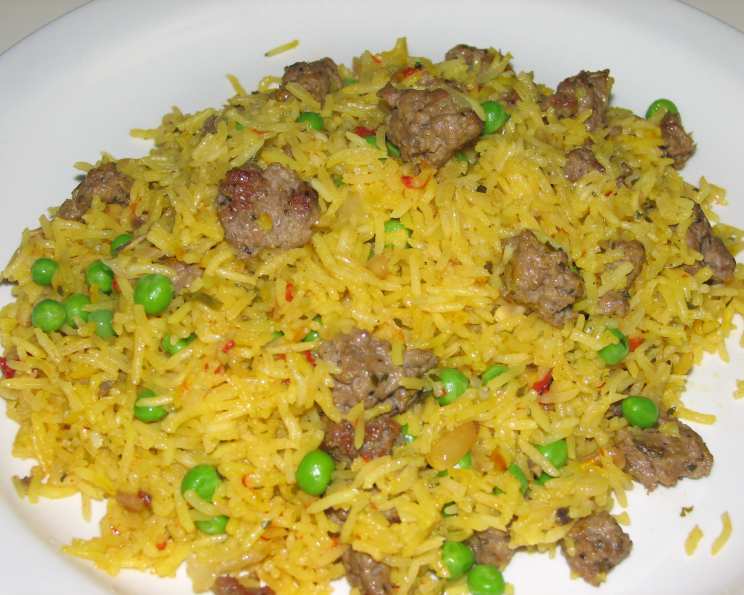
Aromatic Rice Pilaf with Tender Lamb: A Journey of Spice and Comfort
There are some dishes that transport you instantly, conjuring memories with their very aroma. For me, rice pilaf with lamb is one of those magical creations. I recall a crisp autumn evening in my grandmother’s kitchen, the air thick with the intoxicating perfume of toasted basmati rice, fragrant saffron, and warming spices. She’d pull a heavy Dutch oven from the oven, and the steam that rose was a cloud of pure culinary bliss. The lamb, infused with herbs and slow-cooked to perfection, nestled amongst the fluffy grains, promising a meal that was both elegant and deeply comforting. It’s a dish that speaks of tradition, family, and the simple joy of sharing a beautifully crafted meal.
Recipe Overview
- Prep Time: 15 minutes
- Cook Time: 30 minutes
- Total Time: 45 minutes
- Servings: 4-6
- Yield: Serves 4-6
- Dietary Type: Not specified
Ingredients
This recipe celebrates the harmonious blend of fragrant rice, succulent lamb, and the subtle perfume of saffron, creating a dish that’s both exotic and deeply satisfying.
- 1 lb ground lamb
- 2 cups basmati rice (or other long grain rice)
- 1 onion (finely chopped)
- 1/2 red bell pepper (finely chopped)
- 2 3/4 cups low sodium chicken broth (no MSG)
- 2 ounces pine nuts
- 4 tablespoons butter
- 1/2 teaspoon salt
- 1 cup frozen baby peas (thawed)
- 1/4 cup hot water
- 1/2 teaspoon saffron (steeped in hot water)
- 1 bay leaf
- 1/2 teaspoon dried thyme
- 1/2 teaspoon dried rosemary
Equipment Needed
- A 5-quart roaster or Dutch oven with a well-fitting lid. This is crucial for trapping heat and moisture, ensuring the pilaf cooks perfectly.
- Measuring cups and spoons
- A knife and cutting board for chopping vegetables
- A fork for fluffing the rice and removing the bay leaf
Instructions
The magic of this pilaf lies in its layered approach, building flavor and texture with each step. The key is to manage heat carefully and allow the ingredients to meld beautifully.
- Preheat your oven to 350°F (175°C). A moderate oven is ideal for gently cooking the rice and infusing it with the lamb’s richness.
- In your 5-quart roaster or Dutch oven, melt the butter over medium-high heat. This forms the flavorful base for our aromatics.
- Add the finely chopped onion, red bell pepper, and salt to the melted butter. Sweat these vegetables for a few minutes, stirring occasionally, until they are softened and translucent but not browned. We’re looking for a gentle softening, not caramelization at this stage.
- Now, it’s time to introduce the rice and pine nuts. Stir them in with the softened vegetables and gently toast them while stirring until the rice begins to smell nutty. This toasting process is vital for developing a wonderfully complex flavor and preventing the rice from becoming mushy.
- Pour in the saffron (which you’ve already steeped in the hot water), the bay leaf, and the low sodium chicken broth.
- Increase the heat to high. Once the broth begins to boil, give the ingredients a single stir to ensure everything is well combined.
- Place the lid securely on the roaster and transfer it to the preheated oven. Let it bake for 15 minutes.
- After 15 minutes, remove the roaster from the oven. Here’s a crucial step: let it rest for another 15 minutes with the lid DO NOT remove the lid. This resting period allows the rice to continue cooking in its own steam, ensuring a perfectly tender and fluffy texture.
- While the rice is in the oven and then resting, it’s time to prepare the lamb. In a separate bowl, mix the ground lamb with the dried thyme and dried rosemary.
- Season the lamb mixture to your liking and then gently brown it in a skillet over medium heat, breaking it into pieces about the size of a garlic clove. Drain off any excess fat if desired.
- Once the rice has finished its resting period, carefully remove the lid from the roaster.
- Add the browned lamb and the thawed frozen baby peas to the pilaf.
- With a fork, gently mix everything together, fluffing the rice as you go. While doing this, be sure to locate and remove the bay leaf.
- Serve your aromatic rice pilaf with tender lamb immediately onto a warm platter or individual plates, allowing the beautiful aromas and colors to be appreciated fully.
Expert Tips & Tricks
To elevate this already delightful pilaf, consider these professional insights. Toasting the pine nuts with the rice adds an extra layer of nutty depth. When steeping saffron, use hot, not boiling, water to coax out its vibrant color and delicate flavor without bitterness. For an even richer flavor, you can substitute half of the chicken broth with lamb broth. Ensure your lamb is broken into small, bite-sized pieces; this allows them to distribute evenly and cook through beautifully within the pilaf.
Serving & Storage Suggestions
This pilaf is a complete meal in itself, but it also pairs wonderfully with a simple green salad dressed with a lemon vinaigrette, or a side of roasted root vegetables. For an extra touch of elegance, a dollop of plain yogurt or a sprinkle of fresh parsley can be added just before serving. Leftovers can be stored in an airtight container in the refrigerator for up to 3 days. To reheat, gently warm the pilaf on the stovetop over low heat, adding a tablespoon or two of water or broth to help reconstitute the grains, or microwave until heated through.
Nutritional Information
Here’s an estimated nutritional breakdown per serving, assuming 6 servings:
| Nutrient | Amount per Serving | % Daily Value |
|---|---|---|
| Calories | 931.7 kcal | |
| Calories from Fat | 465 g | |
| Total Fat | 51.7 g | 79% |
| Saturated Fat | 20.4 g | 102% |
| Cholesterol | 113.3 mg | 37% |
| Sodium | 499.2 mg | 20% |
| Total Carbohydrate | 84.5 g | 28% |
| Dietary Fiber | 6.4 g | 25% |
| Sugars | 5.4 g | 21% |
| Protein | 33.9 g | 67% |
Note: Nutritional values are approximate and can vary based on specific ingredients used.
Variations & Substitutions
While this recipe shines with lamb, you could certainly experiment with other proteins. Ground beef or turkey would be good substitutes, though they might alter the traditional flavor profile. For a vegetarian option, omit the lamb and increase the quantity of vegetables, perhaps adding chickpeas or lentils for protein. If you’re not a fan of pine nuts, slivered almonds or chopped walnuts could be used. For an even more intensely aromatic pilaf, consider adding a pinch of ground cardamom or a few whole cloves to the toasting rice.
FAQs (Frequently Asked Questions)
Q: Why is it important to use a Dutch oven or roaster with a tight-fitting lid?
A: The tight-fitting lid is essential for trapping steam, which cooks the rice evenly and keeps it moist, preventing it from drying out in the oven.
Q: Can I use regular long-grain white rice instead of basmati?
A: Yes, other long-grain rice varieties can be used, but basmati rice is preferred for its delicate fragrance and distinct texture.
Q: How do I properly steep saffron?
A: Gently crush the saffron threads and steep them in a small amount of hot, but not boiling, water for at least 10 minutes to release their color and flavor.
Q: What if I don’t have low sodium chicken broth?
A: You can use regular chicken broth, but be mindful of the salt content and adjust the added salt accordingly. Vegetable broth is also an option for a lighter flavor.
Q: Can I prepare the lamb ahead of time?
A: Yes, you can brown the lamb with the herbs and spices ahead of time and store it in the refrigerator. Gently reheat it before adding it to the pilaf.
Final Thoughts
This Rice Pilaf with Lamb is more than just a meal; it’s an experience. It’s a testament to how simple ingredients, when treated with respect and layered with intention, can create something truly extraordinary. I encourage you to bring this dish to your table, to share its comforting warmth and captivating aromas with your loved ones. As the seasons change, consider pairing it with a robust red wine or a crisp, refreshing white. I’d be delighted to hear about your culinary adventures with this recipe.