
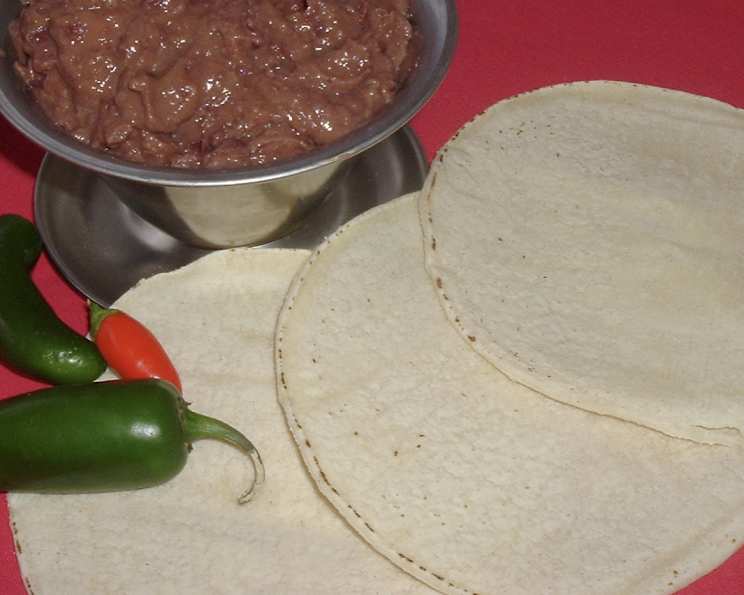
The Soul of Authenticity: Crafting Restaurant-Style Corn Tortillas at Home
There’s a certain magic that happens when you bite into a truly exceptional corn tortilla. It’s not just about the taste, though that’s paramount – that earthy, slightly sweet, subtly toasted corn essence is a revelation. It’s about the texture: the perfect pliable chew, the faint whisper of a crisp edge when fresh off the griddle. I remember a small, unassuming taqueria in Oaxaca, its kitchen barely visible behind a beaded curtain. The aroma that wafted out was intoxicating, a symphony of corn and heat. They were making tortillas right there, by hand, and the experience of tasting one, still warm and fragrant, served simply with a sprinkle of salt, imprinted itself on my culinary memory forever. It’s that memory, that pursuit of pure, unadulterated corn flavor, that drives my desire to share this recipe.
Recipe Overview
- Prep Time: 15 minutes
- Cook Time: 30 minutes
- Total Time: 45 minutes
- Servings: 60
- Yield: Approximately 60 tortillas
- Dietary Type: Vegan, Gluten-Free
Ingredients
The beauty of these restaurant-quality corn tortillas lies in their simplicity. With just three core ingredients, the quality of each truly shines through.
- 750 grams masa harina (This is crucial! Use a good quality masa harina specifically for tortillas. Do not substitute with regular cornmeal or corn flour.)
- 330 grams all-purpose flour (This adds a touch of elasticity and tenderness to the tortillas.)
- 1100 ml water (This is 1 liter plus 100 ml. It’s important to have the water at room temperature for mixing.)
Equipment Needed
While the ingredients are few, a few key pieces of equipment will make the process much smoother and yield the best results.
- Large mixing bowl
- Measuring cups and spoons
- Tortilla press
- Plastic wrap or a damp kitchen towel
- A cast-iron skillet, comal, or a good quality non-stick griddle
- Spatula
Instructions
Creating authentic corn tortillas is an art form that’s remarkably accessible once you understand the process. The key is in the proper mixing of the masa and the gentle, even cooking.
-
Prepare the Dry Ingredients: In your large mixing bowl, combine the 750 grams of masa harina and the 330 grams of all-purpose flour. Whisk them together thoroughly to ensure they are evenly distributed. This ensures a consistent dough texture.
-
Incorporate the Water: Gradually add the 1100 ml of water to the dry ingredients. Begin by mixing with your hands, or a sturdy spoon, until a shaggy dough starts to form. Continue to mix and knead the dough in the bowl until it comes together.
-
Knead the Dough: Once the dough has formed, turn it out onto a clean surface. Knead the dough for about 5–7 minutes. You’re looking for a smooth, pliable dough that’s neither too sticky nor too dry. It should feel soft and elastic, similar to playdough. If the dough feels too dry and crumbly, add a tablespoon of water at a time and knead until it reaches the desired consistency. If it feels too sticky, dust your hands with a little masa harina or all-purpose flour and continue kneading.
-
Rest the Dough: Cover the dough tightly with plastic wrap or a damp kitchen towel. Let it rest for at least 15 minutes at room temperature. This resting period allows the masa harina to fully hydrate, which is essential for creating soft, flexible tortillas.
-
Prepare for Pressing: While the dough rests, set up your tortilla press. If you have a new press, it’s a good idea to season it first. You’ll also want to have small squares of plastic wrap or parchment paper ready to place inside the press. These act as a barrier, preventing the dough from sticking to the press plates and making it easier to handle the tortillas.
-
Portion the Dough: After the dough has rested, uncover it. Take a handful of masa – about the size of a golf ball or slightly larger, depending on your desired tortilla size. Roll this portion of masa between your palms to form a smooth ball.
-
Press the Tortillas: Place one masa ball onto the bottom plate of the tortilla press, nestled between two pieces of plastic wrap or parchment paper. Close the lid of the press and gently press down. You’re looking for an even pressure that flattens the ball into a thin, circular shape. Don’t press too hard, or you risk tearing the tortilla. If the tortilla is too thick, you can gently press again.
-
Cook the Tortillas: Heat your cast-iron skillet, comal, or griddle over medium-high heat. It’s important that the cooking surface is hot enough to cook the tortillas quickly without burning them. Once hot, carefully peel one side of the plastic wrap off the pressed tortilla and gently lay the tortilla, masa-side down, onto the hot surface.
-
First Side Cook: Cook the tortilla for approximately 1–2 minutes on the first side. You’ll see small bubbles begin to form on the surface, and the edges might start to dry slightly.
-
Second Side Cook: Carefully flip the tortilla using a spatula. Cook for another 1–2 minutes on the second side. During this stage, the tortilla should puff up slightly, indicating that it’s cooking through evenly.
-
Final Cook and Puff: Flip the tortilla one more time. Cook for an additional 30 seconds to 1 minute. At this point, the tortilla should be fully cooked and may puff up significantly. This puffing action is a good sign of a well-made and properly cooked tortilla. If it doesn’t puff, don’t worry; it will still be delicious.
-
Keep Warm: As each tortilla is cooked, immediately wrap it in a clean kitchen towel or place it in a tortilla warmer to keep them warm, soft, and pliable until serving.
-
Repeat: Continue this process with the remaining masa, pressing and cooking each tortilla until all the dough is used.
Expert Tips & Tricks
To elevate your homemade tortillas from good to truly exceptional, consider these pro insights:
- The Masa Matters: I cannot stress this enough: use masa harina, not regular cornmeal. Masa harina is nixtamalized corn flour, treated with an alkali process that makes it easier to digest and gives it that unique flavor and texture essential for authentic tortillas.
- Water Temperature: While room temperature water is standard, some chefs find that slightly warm water can help hydrate the masa more effectively, leading to a softer dough. Experiment to see what works best for you.
- Don’t Overwork the Dough: While kneading is important, over-kneading can make the tortillas tough. Aim for that smooth, elastic texture, but stop as soon as you achieve it.
- The Tortilla Press is Your Friend: Investing in a good tortilla press makes a world of difference. Ensure it’s properly seasoned and always use the plastic wrap or parchment paper liners to prevent sticking and ensure easy handling.
- Hot Surface is Key: A properly heated griddle or skillet is crucial for cooking tortillas quickly and evenly. If the surface is too cool, the tortillas will turn out dry and tough. If it’s too hot, they’ll burn before cooking through.
- The Humble Towel: Keeping your cooked tortillas wrapped in a towel or in a tortilla warmer is a game-changer. It traps steam and keeps them wonderfully soft and pliable for serving.
Serving & Storage Suggestions
These restaurant’s corn tortillas are best served immediately after cooking, while they are still warm and soft. They are the perfect vessel for your favorite tacos, enchiladas, quesadillas, or simply enjoyed on their own with a smear of butter or a pinch of salt.
Leftover tortillas can be stored at room temperature in an airtight container or a sealed plastic bag for 1–2 days. For longer storage, place them in the refrigerator for up to a week. To reheat, gently warm them in a dry skillet over medium heat, or wrap them in a damp paper towel and microwave for a few seconds. They can also be frozen for up to 3 months. Thaw them in the refrigerator overnight or reheat them directly from frozen in a dry skillet.
Nutritional Information
Here’s an estimated nutritional breakdown for one of these delicious corn tortillas:
| Nutrient | Amount per Serving | % Daily Value |
|---|---|---|
| Calories | 65.7 kcal | |
| Calories from Fat | 4 g | |
| Total Fat | 0.5 g | 0% |
| Saturated Fat | 0.1 g | 0% |
| Cholesterol | 0 mg | 0% |
| Sodium | 1.3 mg | 0% |
| Total Carbohydrate | 13.7 g | 4% |
| Dietary Fiber | 0.9 g | 3% |
| Sugars | 0 g | 0% |
| Protein | 1.7 g | 3% |
Note: Nutritional values are estimates and can vary based on specific ingredients and preparation methods.
Variations & Substitutions
While the beauty of these tortillas lies in their classic simplicity, here are a few ideas for variations:
- Spiced Tortillas: For a flavorful twist, incorporate a teaspoon of chili powder, cumin, or smoked paprika into the dry ingredients before adding the water.
- Herb Infused: Finely chopped fresh cilantro or epazote (a traditional Mexican herb) can be mixed into the dough for a fragrant, herbaceous note.
- Gluten-Free Focus: If you prefer to make them entirely gluten-free, you can omit the all-purpose flour and increase the masa harina to 1080 grams, while keeping the water at 1100 ml. You may need to adjust the water slightly depending on the masa harina’s absorption rate. The texture might be slightly more rustic.
FAQs
Q: What is masa harina and why is it essential?
A: Masa harina is a type of corn flour made from dried corn kernels that have been treated with an alkali solution (nixtamalization). This process makes the corn more nutritious, easier to digest, and gives it the unique texture and flavor required for authentic tortillas.
Q: My tortillas are cracking when I press them. What am I doing wrong?
A: Cracking often indicates the dough is too dry. Ensure you’ve added enough water to make the dough pliable. If the dough is already mixed, try adding a tablespoon of water at a time and kneading until it’s smooth and elastic. Also, make sure you’re not pressing too hard.
Q: Can I make these tortillas without a tortilla press?
A: Yes, you can! Roll your masa balls into thin discs using a rolling pin. Place the masa ball between two pieces of plastic wrap or parchment paper on a flat surface and roll it out evenly to your desired thickness.
Q: Why do my tortillas turn out tough and dry?
A: Toughness can be caused by several factors: not resting the dough, overcooking, or the dough being too dry to begin with. Ensure you follow the resting time, cook them quickly on a hot surface, and that your dough is soft and pliable.
Q: How do I know when my tortillas are perfectly cooked?
A: A perfectly cooked tortilla will be pliable and slightly puffed. You’ll see some browning and possibly small charred spots on the surface. The key is a quick cook on a hot surface, allowing them to steam inside as they cook.
These tortillas are more than just a recipe; they are a gateway to the heart of Mexican cuisine. The aroma that fills your kitchen as they cook is an invitation to gather, to share, and to savor the simple perfection of maíz. Whether you’re filling them with vibrant al pastor or a simple avocado salsa, I encourage you to embrace the process and delight in the authentic flavors you create. Happy cooking!