
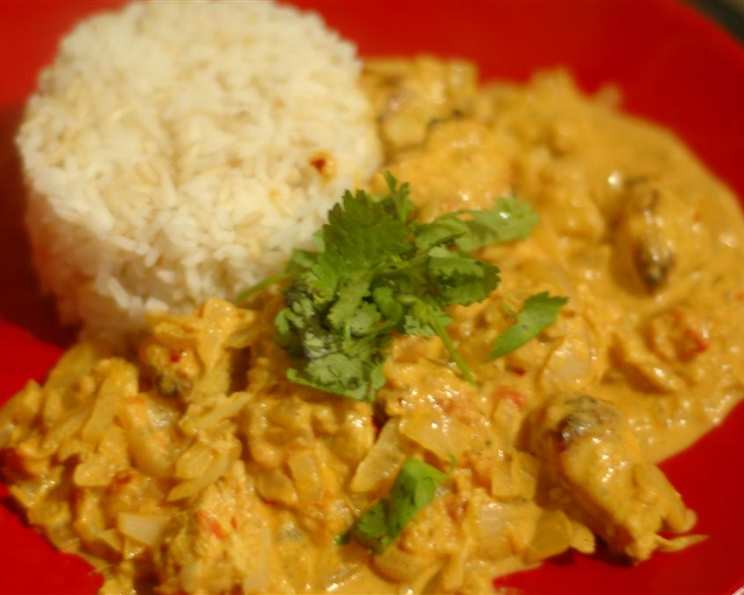
Restaurant Style Chicken Tikka Masala: A Taste of Home
There are few dishes that evoke the cozy, comforting aroma of a bustling curry house quite like Chicken Tikka Masala. I remember one particularly chilly evening years ago, the kind where the wind seems to carry whispers of distant spices. I’d just finished a long shift in a kitchen that, while skilled, lacked the soul of true Indian cuisine. Craving something deeply satisfying, I found myself drawn to a small, unassuming Indian restaurant down the street. The moment the Chicken Tikka Masala arrived, a crimson jewel in a rich, creamy sauce, I knew I was in for a treat. That first bite – tender, smoky chicken bathed in a symphony of fragrant spices – was an epiphany. It was a dish that spoke of tradition, warmth, and an undeniable culinary magic that I’ve strived to recreate ever since.
Recipe Overview
- Prep Time: 20 minutes
- Marinating Time: 1-2 hours
- Cook Time: 30 minutes
- Total Time: approx. 2 hours 30 minutes
- Servings: 4
- Yield: Serves 4
- Dietary Type: Contains Dairy, Gluten (if served with naan), adaptable for other dietary needs
Ingredients
For the Chicken Tikka Marinade:
- 1 lb boneless, skinless chicken thighs, cubed
- 1/2 cup plain yogurt
- 2 tablespoons grated ginger
- 2 tablespoons pressed garlic
- Juice of 1 lime
- 2 teaspoons chili powder
- 1/4 teaspoon turmeric
- 1/2 teaspoon garam masala
- 1/4 teaspoon liquid smoke
- Salt, to taste
For the Masala Sauce:
- 2 tablespoons vegetable oil
- 1 onion, finely sliced
- 1 jalapeno, minced
- 2 teaspoons grated ginger
- 2 teaspoons pressed garlic
- 1 tomato, finely chopped
- 2 teaspoons tomato paste
- 1/4 teaspoon turmeric
- 1 teaspoon chili powder
- 1 teaspoon coriander
- 1/2 teaspoon garam masala
- Salt, to taste
- 1/2 cup heavy cream (more if you desire a saucier consistency)
- 1/4 cup chopped fresh cilantro, for garnish
Equipment Needed
- Mixing bowls
- Measuring cups and spoons
- Knife and cutting board
- Grater
- Garlic press
- Skewers (metal or pre-soaked wooden)
- Baking sheet (for broiler method)
- Large skillet or Dutch oven
- Spatula or wooden spoon
Instructions
The journey to restaurant-quality Chicken Tikka Masala begins with a deeply flavorful marinade. It’s this step that imbues the chicken with its signature tang and allows it to tenderize beautifully before hitting the heat.
-
Marinate the Chicken: In a medium-sized mixing bowl, combine all the marinade ingredients: the plain yogurt, grated ginger, pressed garlic, lime juice, chili powder, turmeric, garam masala, liquid smoke, and a good pinch of salt. Stir everything together until you have a smooth, cohesive marinade. Add the cubed chicken thighs to the bowl, ensuring each piece is thoroughly coated. Cover the bowl tightly with plastic wrap and refrigerate for at least 1 to 2 hours, or even up to 4 hours for a more intense flavor.
-
Cook the Chicken: This is where we mimic the char and smoky notes of traditional tandoori cooking. Thread the marinated chicken pieces onto skewers, leaving a small space between each piece to allow for even cooking.
- Broiler Method: Preheat your broiler to high. Place the skewers on a baking sheet lined with foil (for easier cleanup). Position the baking sheet about 4-6 inches from the broiler element. Broil for 3-5 minutes per side, or until the chicken is cooked through and has developed appealing blackened, charred edges. Keep a close eye on it, as broilers can vary in intensity.
- Grill Method: If you’re using an outdoor grill, preheat it to medium-high heat. Grill the skewers, turning occasionally, for about 8-10 minutes total, or until the chicken is cooked through and nicely charred in places.
- Once cooked, carefully remove the chicken from the skewers and set it aside.
-
Prepare the Masala Sauce: In a large skillet or Dutch oven, heat the vegetable oil over medium heat. Add the finely sliced onion and minced jalapeno. Sauté them, stirring occasionally, until the onions are softened and translucent, which should take about 5-7 minutes.
-
Build the Flavor Base: Add the grated ginger and pressed garlic to the skillet. Cook for another 30 seconds, stirring constantly, until fragrant. Be careful not to burn the garlic.
-
Incorporate Tomatoes and Spices: Stir in the finely chopped tomato and tomato paste. Cook for a minute or two, allowing the tomato paste to deepen in color. Now, add the ground spices: turmeric, chili powder, coriander, and garam masala. Stir well to combine with the onion and tomato mixture. Cook on medium-low heat, stirring frequently, for about 5-7 minutes. If the mixture seems too dry and is sticking to the pan, add a tablespoon or two of water to prevent scorching and help the flavors meld. You want the sauce to become fragrant and well-blended.
-
Combine and Finish: Add the cooked chicken pieces to the skillet with the masala sauce. Pour in the heavy cream. Stir everything gently to coat the chicken in the luscious sauce. Heat the dish through over low heat, being careful not to bring it to a boil, as this can cause the cream to separate. Continue to cook for about 5 minutes, allowing the flavors to meld and the sauce to thicken slightly. If you prefer a saucier consistency, you can add a little more heavy cream at this stage.
-
Garnish and Serve: Remove the skillet from the heat. Stir in most of the chopped fresh cilantro. Taste and adjust salt if needed. Garnish with the remaining cilantro and serve your glorious restaurant-style Chicken Tikka Masala immediately over fluffy basmati rice.
Expert Tips & Tricks
- Yogurt Choice: For the marinade, full-fat plain yogurt yields the creamiest results and helps to tenderize the chicken without making it mushy. Greek yogurt can also be used, but you might need to add a tiny splash of water if it’s too thick.
- Don’t Skimp on Marinade Time: While 1-2 hours is good, allowing the chicken to marinate for 4 hours or even overnight can lead to an even more deeply flavored and tender result.
- Broiler Control: Broilers are powerful! It’s better to err on the side of slightly under-charred chicken and finish it in the sauce than to burn it to a crisp. Keep a close eye and rotate as needed.
- Spice Adjustment: The spice levels in this recipe are a good starting point. Feel free to increase the chili powder or add a pinch of cayenne pepper if you like it spicier. Conversely, reduce it if you prefer a milder dish.
- Tomato Freshness: Using fresh, ripe tomatoes will lend a brighter, fresher flavor to the sauce. If fresh tomatoes are out of season, canned diced tomatoes can be a good substitute, but ensure they are well-drained.
- Creaminess Control: The amount of heavy cream is a guide. If you love a rich, decadent sauce, don’t hesitate to add a bit more. For a lighter option, you can try half-and-half, but the sauce might not be as thick or as luxuriously creamy.
Serving & Storage Suggestions
Chicken Tikka Masala is best served piping hot. It pairs beautifully with fragrant basmati rice to soak up all that delicious sauce. For an authentic touch, serve with warm naan bread or roti. A dollop of plain yogurt or a sprinkle of extra cilantro makes for a lovely presentation.
Leftovers can be stored in an airtight container in the refrigerator for up to 3 days. To reheat, gently warm the chicken and sauce in a skillet over low heat, or microwave until heated through. Avoid boiling the sauce once it’s been cooked with cream.
Nutritional Information
| Nutrient | Amount per Serving | % Daily Value |
|---|---|---|
| Calories | 367.7 kcal | |
| Calories from Fat | ||
| Total Fat | 24 g | 36% |
| Saturated Fat | 9.7 g | 48% |
| Cholesterol | 139.2 mg | 46% |
| Sodium | 169.5 mg | 7% |
| Total Carbohydrate | 13.4 g | 4% |
| Dietary Fiber | 2.3 g | 9% |
| Sugars | 4.4 g | 17% |
| Protein | 25.7 g | 51% |
(Note: Nutritional values are estimates and can vary based on specific ingredients and portion sizes.)
Variations & Substitutions
- Vegetarian Tikka Masala: For a vegetarian version, substitute paneer cheese or firm tofu cubes for the chicken. Marinate and cook them similarly, though paneer will soften more, so add it towards the end of the sauce cooking.
- Spicier Kick: For extra heat, add a finely chopped green chili (like a serrano or Thai chili) along with the jalapeno, or increase the amount of chili powder and turmeric.
- Dairy-Free Option: To make this dish dairy-free, use a thick, unsweetened coconut milk or cashew cream instead of heavy cream. For the marinade, a dairy-free yogurt (like coconut or almond-based) can be used.
- Smokier Flavor: If you don’t have liquid smoke, you can achieve a similar effect by charring the chicken more intensely on the grill or under the broiler, or by adding a pinch of smoked paprika to the marinade or sauce.
FAQs
Q: Can I make the Chicken Tikka Masala ahead of time?
A: Yes, you can prepare the marinated chicken and even cook it ahead of time. The sauce can also be made and stored separately. Reheat both gently and combine just before serving for the best texture.
Q: What is the best way to get that authentic char on the chicken without a tandoori oven?
A: Using the broiler or a hot grill is key. Ensure the chicken is well-coated in the marinade and that the heat is high enough to create those desirable blackened, charred edges.
Q: My sauce seems a bit thin, how can I thicken it?
A: You can thicken the sauce by simmering it uncovered for a few extra minutes over low heat to allow some of the liquid to evaporate. Alternatively, you can create a slurry with 1 tablespoon of cornstarch mixed with 2 tablespoons of cold water and stir it into the simmering sauce.
Q: Can I use chicken breast instead of thighs?
A: While chicken thighs are recommended for their tenderness and ability to stay moist, chicken breast can be used. Be cautious not to overcook it, as chicken breast can dry out more quickly. Reduce the cooking time slightly.
Q: Is liquid smoke essential for this recipe?
A: Liquid smoke is used to replicate the smoky flavor of tandoori cooking. If you cannot find it, you can still achieve a delicious Chicken Tikka Masala by focusing on charring the chicken well, or by adding a pinch of smoked paprika.
This Chicken Tikka Masala is more than just a recipe; it’s an invitation to savor a dish that has captured hearts and taste buds worldwide. It’s a testament to how simple ingredients, combined with a little care and culinary technique, can create something truly extraordinary. Gather your friends and family, put on some music, and embark on this flavorful adventure. I guarantee the aroma filling your kitchen will be as rewarding as the first delicious bite.