
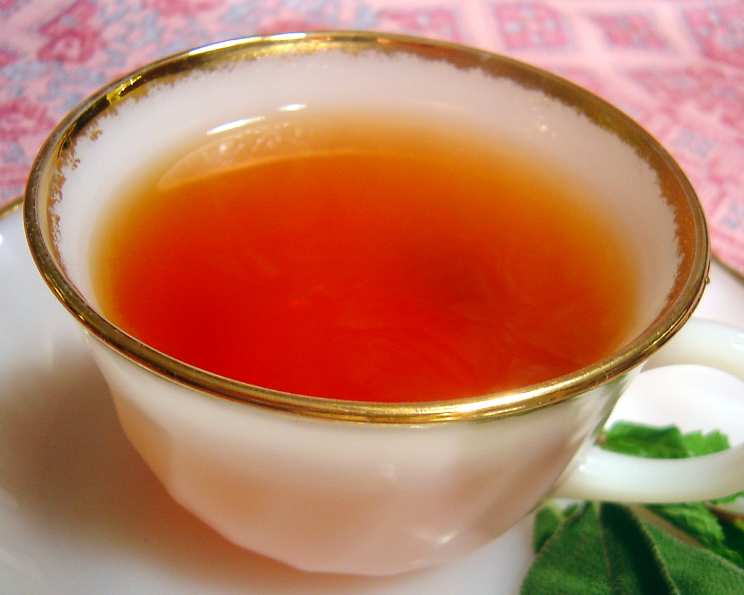
The Soul-Soothing Embrace of Middle Eastern Sage and Mint Tea
There’s a particular kind of magic that happens when the simple act of brewing tea transcends mere refreshment and becomes a ritual, a moment of profound peace. I remember one crisp autumn afternoon, long before I had the privilege of writing about food, I found myself visiting a small, bustling souk in Amman. The air was thick with the scent of spices, leather, and something wonderfully herbaceous. Tucked away in a quiet alcove, an elderly woman with eyes as warm as the desert sun was meticulously arranging sprigs of fresh mint and sage. She invited me to sit, and with practiced hands, she brewed a pot of tea that smelled like an aromatic garden after a gentle rain. That first sip was a revelation – a comforting warmth that settled deep in my soul, a perfect distillation of her gentle hospitality and the rich traditions of the region. It was a moment of pure, unadulterated tranquility, and it ignited a lifelong love affair with this deceptively simple, yet profoundly satisfying beverage.
Recipe Overview
- Prep Time: 5 minutes
- Cook Time: 15 minutes
- Total Time: 20 minutes
- Servings: 4
- Yield: 1 teapot
- Dietary Type: Vegan, Gluten-Free, Dairy-Free
Ingredients
To craft this aromatic infusion, you’ll need just a few simple, yet potent ingredients:
- 1/2 sprig of fresh mint (or 1/2 sprig dried mint)
- 1/2 sprig fresh sage (whole)
- 2 Ceylon tea bags
- Water (for boiling and steeping)
- Sugar (optional, to taste)
A Note on Ingredients: The beauty of this tea lies in its simplicity. I’ve specified Ceylon tea bags, as they offer a robust yet clean flavor profile that stands up well to the herbs without becoming bitter. However, if you prefer a milder base, you could certainly experiment with a different black tea. For the herbs, fresh is always ideal if you can find it – the aroma is unparalleled. But in a pinch, good quality dried mint and sage will certainly do the trick. The “sprig” measurement is intentionally rustic; we’re looking for a generous handful of each herb, enough to impart a significant aroma and flavor to the tea.
Equipment Needed
- A teapot (preferably ceramic or glass, to best appreciate the tea’s color and aroma)
- A kettle or pot for boiling water
- A fine-mesh sieve (if using loose herbs and you prefer to strain them out, though this recipe typically steeps with the herbs in the teapot)
- Your favorite teacups
Instructions
Brewing this Middle Eastern tea is less about following rigid rules and more about embracing a mindful process. It’s a gentle invitation to slow down and savor the moment.
- Prepare the Herbs: Begin by gently rinsing your fresh mint and sage sprigs under cool water. If using dried herbs, simply have them ready.
- Boil the Water: Fill your teapot with the desired amount of fresh, cold water. Place the teapot on your stovetop or use a kettle to bring the water to a rolling boil.
- Infuse the Herbs: Once the water reaches a vigorous boiling point, carefully add the sprigs of fresh mint and fresh sage directly into the boiling water within the teapot. Let these herbs simmer and infuse their essence into the water for a short period.
- Add the Tea Bags: After the herbs have had a moment to begin infusing (about 2-3 minutes), carefully add the two Ceylon tea bags to the boiling water in the teapot.
- Steep with Care: Allow the tea bags to steep in the hot, herb-infused water. This is where you’ll want to pay close attention. The goal is to achieve a lovely amber hue and a fragrant aroma, but don’t let the tea get too strong or dark. Over-steeping can lead to bitterness. A steeping time of about 3 to 5 minutes is usually perfect, but this can vary depending on the tea bags and your personal preference.
- Sweeten to Taste (Optional): If you prefer your tea sweetened, now is the time to add sugar. You can add it directly to the teapot, stirring to dissolve, or offer sugar on the side for each person to adjust their own cup. The amount of sugar is entirely a matter of personal preference, from a hint of sweetness to a more pronounced one.
- Serve and Enjoy: Once you’re satisfied with the strength and aroma of your tea, carefully pour it into your favorite cup. Remove the tea bags and herb sprigs if desired, or leave them in for a more rustic presentation.
Expert Tips & Tricks
- The Power of the Bloom: If you’re using fresh herbs, a gentle bruise of the mint leaves before adding them to the water can release even more of their aromatic oils.
- Water Quality Matters: Always use fresh, cold water for boiling. Re-boiled water can taste flat and may not extract the full flavor from the tea and herbs.
- Control Your Steep: The beauty of this tea is its adaptability. If you find your tea brewing too quickly, remove the tea bags earlier. If you prefer a stronger herbal note, let the herbs steep for an extra minute or two before adding the tea bags.
- The “Trademark” Blend: While I personally adore the combination of sage and mint, remember the original recipe’s suggestion: feel free to use just mint or just sage if that’s your preference. Sage tea is traditionally revered in the Middle East for its medicinal properties, so don’t shy away from its robust flavor.
Serving & Storage Suggestions
This tea is a chameleon, perfectly at home at various times of day. It’s a wonderful accompaniment to a traditional Middle Eastern breakfast, alongside fluffy flatbreads and savory dips. It also pairs beautifully with sweet treats like pound cake or delicate tea biscuits, offering a refreshing counterpoint to the sweetness.
Serving: Serve hot, directly from the teapot. A slice of lemon is an optional but delightful addition for those who enjoy a citrusy tang.
Storage: This tea is best enjoyed fresh. If you have leftovers, store the brewed tea in an airtight container in the refrigerator for up to 24 hours. Reheat gently on the stovetop or in the microwave. Be aware that the flavor might change slightly upon reheating.
Nutritional Information
As this is primarily a beverage made from water and herbs, the nutritional profile is quite minimal. The addition of sugar will alter this.
| Nutrient | Amount per Serving (Unsweetened) | % Daily Value |
|---|---|---|
| Calories | 0 | 0% |
| Total Fat | 0 g | 0% |
| Saturated Fat | 0 g | 0% |
| Cholesterol | 0 mg | 0% |
| Sodium | 0 mg | 0% |
| Total Carbohydrate | 0 g | 0% |
| Dietary Fiber | 0 g | 0% |
| Sugars | 0 g | 0% |
| Protein | 0 g | 0% |
Note: Nutritional values are estimates and can vary based on specific ingredient brands and preparation methods. Sugars are not included in the calculation unless added.
Variations & Substitutions
While the classic combination of sage and mint is divine, Middle Eastern tea traditions are rich with variations.
- Lemon Verbena: For a brighter, more floral note, consider adding a sprig of lemon verbena alongside or instead of the mint.
- Cardamom Pods: A lightly crushed cardamom pod added to the boiling water with the herbs can infuse a warm, exotic spice into the brew.
- Cinnamon Stick: A small piece of cinnamon stick can add a touch of sweet warmth, particularly welcome on cooler days.
- Herbal Focus: If you’re keen on the medicinal aspects, explore using a larger quantity of sage, perhaps with a hint of dried thyme for an added layer of earthiness.
FAQs (Frequently Asked Questions)
Q: Why do you use Ceylon tea bags in this recipe?
A: Ceylon tea provides a clean, robust flavor that complements the herbal notes without becoming overpowering or bitter, making it an ideal base for this infusion.
Q: Can I use dried mint and sage instead of fresh?
A: Absolutely! If fresh herbs are unavailable, good quality dried mint and sage can be used. You may need to adjust the quantity slightly to achieve your desired flavor intensity.
Q: How long should I let the herbs boil in the water?
A: It’s best to let the herbs simmer for just a few minutes to release their aroma and flavor before adding the tea bags. Over-boiling can make the herbal notes too intense or bitter.
Q: Is this tea good for an upset stomach?
A: Traditionally, sage tea is used in the Middle East for its medicinal properties, including alleviating stomach discomfort and cramps. While this recipe is designed for enjoyment, the inclusion of sage aligns with those traditional uses.
Q: Can I make this tea iced?
A: Yes! Brew a stronger batch of the tea, let it cool completely, then serve over ice. You might want to increase the amount of tea bags and herbs slightly to account for dilution from the ice.
Final Thoughts
This Middle Eastern Sage and Mint Tea is more than just a beverage; it’s an invitation to pause, to breathe, and to reconnect with simple pleasures. It’s a testament to how a few humble ingredients, prepared with care and intention, can create something truly extraordinary. I encourage you to brew a pot the next time you feel the need for a moment of calm, a touch of warmth, or simply a delicious departure from the everyday. Share it with loved ones, or savor it in quiet solitude. I’d be delighted to hear about your experiences with this soul-soothing brew.