
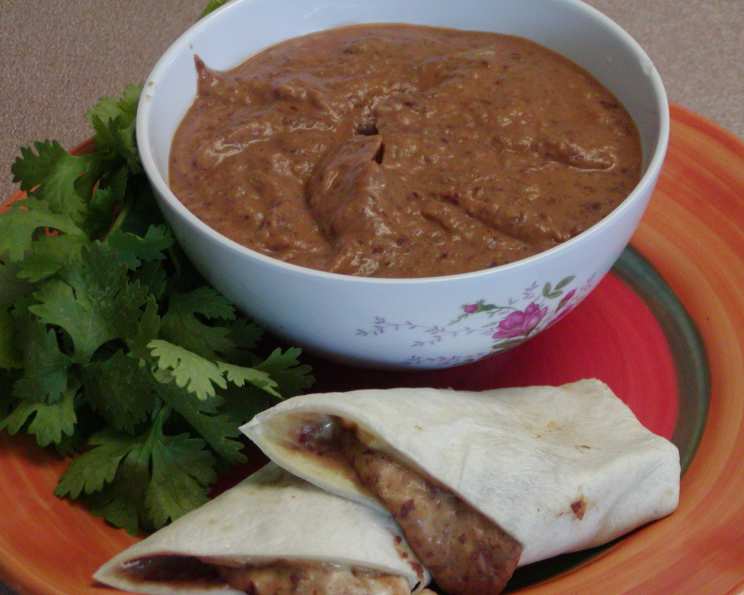
The Soul of the Kitchen: Mastering Authentic Refried Beans
There’s a particular comfort that settles in my kitchen when the aroma of simmering pinto beans begins to fill the air. It’s a scent that transports me back to my grandmother’s bustling kitchen in Jalisco, where pots bubbled with anticipation and the air thrummed with laughter and conversation. Refried beans, or frijoles refritos as we call them, weren’t just a side dish; they were the heart of many meals, a versatile foundation upon which countless culinary creations were built. From humble tacos filled with savory goodness to a simple bowl topped with a sprinkle of salty cheese, these beans were, and still are, the cornerstone of authentic Mexican cuisine, a taste of home that I can recreate any day of the week.
Recipe Overview
- Prep Time: 2 hours 30 minutes (includes soaking)
- Cook Time: 1 hour 30 minutes
- Total Time: 4 hours
- Servings: 8-12
- Yield: Approximately 6 cups
- Dietary Type: Adaptable (ensure lard substitute is vegan for vegan option)
Ingredients
This recipe celebrates the simplicity and purity of flavor that comes from using quality ingredients. The magic lies in the transformation of humble dried beans into a creamy, soul-satisfying staple.
- 1 lb dried pinto beans
- 1 large sweet onion, chopped
- 4 tablespoons lard or 4 tablespoons vegetable shortening
- 5-6 cloves garlic, minced
- 1 ½ teaspoons adobo seasoning or 1 ½ teaspoons seasoning salt, to taste
Equipment Needed
While this recipe relies on traditional techniques, a few key pieces of equipment will ensure success:
- Large pot or Dutch oven
- Colander
- Deep skillet or large sauté pan
- Potato masher or immersion blender (optional, for smoother texture)
Instructions
The journey to perfect refried beans is a patient one, but the rewards are immeasurable. This method, passed down through generations, ensures a depth of flavor and a luscious texture that canned beans simply cannot replicate.
-
Prepare the Beans: Begin by sorting your dried pinto beans. Discard any discolored beans or small stones. Place the sorted beans in a large pot or Dutch oven. Add 6 cups of water. You have two options for soaking:
- Overnight Soak: Let the beans soak overnight (about 8-12 hours). This is the traditional and often preferred method as it allows the beans to absorb moisture evenly, leading to a creamier texture.
- Quick Soak: If you’re short on time, bring the beans and water to a boil. Cook for 3 minutes, then cover the pot and remove it from the heat. Let the beans sit undisturbed for 1 hour.
-
Cook the Beans: After soaking (either method), drain and rinse the beans thoroughly. Return the drained beans to the pot and cover them with 6 cups of fresh water. Bring to a boil over medium-high heat, then reduce the heat to low, cover the pot, and simmer for 1 to 1 ½ hours, or until the beans are tender and creamy. The exact cooking time will vary depending on the age and type of your beans. You’ll know they’re ready when they yield easily to a fork.
-
Drain and Reserve Liquid: Once the beans are tender, drain them, but crucially, retain the cooking liquid. This flavorful liquid, often called “the pot liquor,” is essential for achieving the perfect creamy consistency in your refried beans.
-
Sauté Aromatics: While the beans are cooking, or after they have been drained, prepare your aromatics. In a deep skillet or large sauté pan, heat the lard or vegetable shortening over medium heat. Add the chopped sweet onion and cook until tender and translucent, which should take about 5-7 minutes. Next, add the minced garlic and cook for an additional minute until fragrant, being careful not to burn it.
-
Mash the Beans: Add the drained, cooked beans to the skillet with the sautéed onion and garlic. Now comes the mashing! Using a potato masher, begin to mash the beans directly in the skillet. Continue mashing until the beans reach your desired consistency – some prefer them a bit chunky, while others enjoy them perfectly smooth and creamy. If the beans become too dry as you mash, add some of the reserved cooking liquid, a few tablespoons at a time, until you reach your liking for consistency.
-
Season and Serve: Once you have achieved the desired texture, season the refried beans to taste. Stir in the adobo seasoning or seasoned salt, starting with the recommended amount and adding more if needed to achieve the perfect balance of savory flavor. Stir well to ensure the seasoning is evenly distributed.
Expert Tips & Tricks
- Bean Quality Matters: Fresher dried beans cook more evenly and have a better texture. If your beans are very old, they might take longer to cook and might not soften as well.
- The Lard Advantage: While vegetable shortening is a perfectly acceptable substitute, traditional lard imparts a unique richness and subtle flavor that is hard to replicate. If you can source good quality lard, I highly recommend it for an authentic taste.
- Achieving Ultimate Creaminess: For an exceptionally smooth refried bean texture, you can use an immersion blender for a quick pulse or two after mashing with a potato masher. Be careful not to over-blend, as you still want a hint of texture.
- Don’t Skimp on the Simmer: Allowing the beans to simmer gently until truly tender is key. Rushing this step will result in tough, undercooked beans that will never become creamy.
- Taste and Adjust: The final seasoning step is crucial. Taste your refried beans before serving and adjust the adobo seasoning or salt as needed. The flavor should be robust but balanced.
Serving & Storage Suggestions
Refried beans are incredibly versatile, serving as a delicious side dish or a base for countless Mexican favorites.
Serving:
Serve them warm. They are fantastic as a side to tacos, enchiladas, or quesadillas. A dollop of your favorite salsa, a sprinkle of fresh cilantro, or a crumble of cotija cheese can elevate them further. They are also the perfect base for a hearty bean dip or a layer in a Mexican casserole. For a quick and satisfying meal, simply serve them in a bowl topped with a little melted Monterey Jack cheese.
Storage:
Refrigerator: Cooled refried beans can be stored in an airtight container in the refrigerator for 3-4 days.
Freezer: For longer storage, allow the beans to cool completely, then transfer them to freezer-safe containers or heavy-duty freezer bags. They will keep well in the freezer for up to 2-3 months.
Reheating: To reheat, you can gently warm them on the stovetop over low heat, adding a splash of water or broth if they seem too thick. Alternatively, they can be reheated in the microwave, stirring occasionally.
Nutritional Information
Note: Nutritional values are approximate and can vary based on specific ingredients used.
| Nutrient | Amount per Serving (approx. 1/2 cup) | % Daily Value |
|---|---|---|
| Calories | 266 kcal | – |
| Calories from Fat | 123 kcal | – |
| Total Fat | 13.7 g | 18% |
| Saturated Fat | 5.2 g | 26% |
| Cholesterol | 12.2 mg | 4% |
| Sodium | 15.4 mg | 1% |
| Total Carbohydrate | 38.1 g | 12% |
| Dietary Fiber | 9.1 g | 36% |
| Sugars | 2.0 g | 2% |
| Protein | 12.5 g | 24% |
Variations & Substitutions
While this recipe is a classic for a reason, feel free to experiment!
- Spice It Up: For a bit of heat, sauté a finely chopped jalapeño or serrano pepper along with the onion and garlic.
- Smoky Flavor: Add a pinch of smoked paprika or a small amount of finely diced chipotle pepper in adobo sauce to the skillet with the garlic for a smoky depth.
- Vegetarian/Vegan: Use vegetable shortening or a neutral-flavored oil (like canola or vegetable oil) instead of lard. Ensure your adobo seasoning is also vegan-friendly if needed.
- Adding Richness: Some cooks like to stir in a tablespoon or two of a creamy cheese, like Monterey Jack or a mild cheddar, at the very end of cooking for added richness and a melty texture.
FAQs
Q: Why is soaking the beans important?
A: Soaking helps to rehydrate the dried beans, allowing them to cook more evenly and absorb flavors better, resulting in a creamier texture.
Q: Can I use canned beans for refried beans?
A: While you can, using dried beans cooked from scratch yields a far superior flavor and texture. Canned beans often have a mushier texture and less depth of flavor.
Q: What is the best way to store leftover refried beans?
A: Store cooled refried beans in an airtight container in the refrigerator for up to 4 days or freeze them for longer storage.
Q: My refried beans are too dry, what can I do?
A: If your beans are too dry, gradually add some of the reserved bean cooking liquid, a few tablespoons at a time, while mashing until you reach your desired consistency.
Q: How can I make my refried beans smoother?
A: For an extra smooth texture, you can use an immersion blender to pulse the mashed beans a few times in the skillet.
Final Thoughts
The beauty of homemade refried beans lies not just in their incredible flavor and texture, but in their ability to bring people together around the table. They are a testament to the power of simple, wholesome ingredients transformed with a little patience and a lot of love. Whether you’re serving them as a humble side or as the star of your next taco night, I encourage you to embrace this recipe and make it your own. Share the warmth, share the flavor, and savor the moments. Happy cooking!