
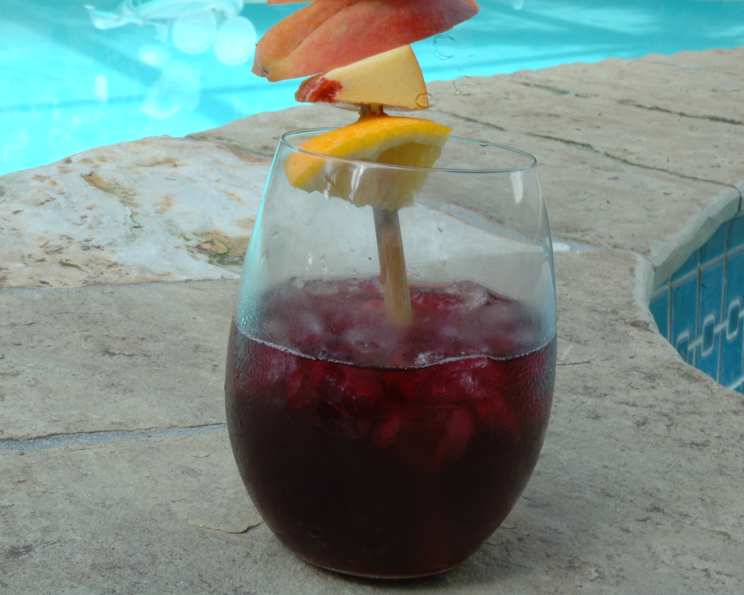
The Quintessential Red Wine Sangria: A Celebration in a Pitcher
There’s a certain magic that happens when the sun dips below the horizon on a warm summer evening, casting long shadows and painting the sky with hues of orange and pink. It’s in those moments, with the gentle hum of cicadas and the soft rustle of leaves, that a pitcher of perfectly chilled Red Wine Sangria feels less like a drink and more like a welcome embrace. I remember one particular twilight gathering, a spontaneous backyard barbecue with dear friends, where we unveiled a sangria I’d been letting macerate for a full day. The anticipation in the air was palpable, and the first clink of ice-filled glasses, followed by the effervescent murmur of satisfied sips, cemented my love for this deceptively simple, yet utterly captivating, concoction. It’s a drink that’s as much about the company it keeps as the ingredients within.
Recipe Overview
- Prep Time: 15 minutes
- Cook Time: 0 minutes
- Total Time: 24 hours 5 minutes (minimum chilling)
- Servings: 8
- Yield: Approximately 3 liters
- Dietary Type: Dairy-Free, Gluten-Free, Nut-Free
Ingredients
This sangria is a testament to the beauty of simple, high-quality ingredients coming together in harmony. The key is to use a Spanish table wine that you genuinely enjoy drinking on its own; something too tannic or overly complex can overpower the fruit.
- 2 (750 ml) bottles red Spanish table wine
- 1 cup brandy
- 1/2 cup triple sec
- 1/2 cup simple syrup (adjust to taste)
- 2 oranges, sliced
- 2 peaches, sliced
Equipment Needed
While sangria is famously forgiving, a few essential tools will ensure a smooth preparation and a delightful presentation.
- A large pitcher (at least 3-liter capacity)
- A cutting board and sharp knife for slicing fruit
- A measuring cup and measuring spoons
- A long spoon for stirring
Instructions
The art of making a superior sangria lies not in complicated techniques, but in patience and the allowance of time for flavors to meld and deepen.
- Begin by preparing your fruit. Wash the oranges and peaches thoroughly. Slice the oranges into thin rounds. If the peaches have a pit that is difficult to remove, you can slice around it.
- In your large pitcher, combine the 2 (750 ml) bottles of red Spanish table wine, the 1 cup of brandy, and the 1/2 cup of triple sec.
- Add the sliced oranges and sliced peaches to the pitcher.
- Pour in the 1/2 cup of simple syrup. It’s always a good idea to start with a smaller amount of simple syrup and add more to taste later, as the sweetness of the fruit and wine can vary.
- Gently stir all the ingredients together to ensure they are well incorporated.
- Refrigerate the sangria for at least 24 hours before serving. This crucial step allows the fruits to macerate, releasing their juices and infusing the wine with their natural sweetness and aroma, while also allowing the alcohol to marry with the other flavors.
Expert Tips & Tricks
To elevate your sangria from good to truly memorable, consider these professional insights:
- The Power of Patience: The 24-hour chill is not a suggestion; it’s a necessity. This allows the harsh edges of the alcohol to soften and the fruity notes to fully develop. Don’t be tempted to rush this process!
- Sweetness Adjustment: Taste your sangria after it has chilled for at least 12 hours. If it’s not sweet enough for your liking, you can add more simple syrup, a tablespoon at a time, stirring and tasting until it reaches your desired sweetness. Conversely, if it’s too sweet, a squeeze of fresh lemon or lime juice can help balance it out.
- Quality Matters: As mentioned, the base wine is critical. Opt for a medium-bodied Spanish red like a Tempranillo or Garnacha. Avoid anything too light or too heavy.
- Fruit Selection: While oranges and peaches are classic, feel free to experiment with other seasonal fruits like berries, apples, or pears. Ensure they are ripe but not overly soft, so they hold their shape.
- Ice Etiquette: Serve the sangria very cold. It’s best to have ice in the glasses when serving, rather than adding ice directly to the pitcher, as melting ice can dilute the flavors over time. You can even freeze some of the sliced fruit to use as ice cubes that won’t water down the drink.
Serving & Storage Suggestions
Sangria is inherently a communal drink, best enjoyed in good company.
To serve, give the sangria a final stir. Ladle the wine and fruit into ice-filled glasses. You can garnish each glass with an extra slice of orange or peach for a beautiful presentation. This sangria is perfect for parties, barbecues, or a relaxed evening at home.
Leftover sangria can be stored in the refrigerator, covered tightly with plastic wrap, for up to 3 days. The flavors may continue to develop slightly, but the fruit will soften over time. It is best consumed within the first 2 days.
Nutritional Information
This nutritional information is an estimation and can vary based on the specific brands and ripeness of ingredients used.
| Nutrient | Amount per Serving (approx. 1.5 cups) | % Daily Value |
|---|---|---|
| Calories | 264.1 | |
| Calories from Fat | 0.1 | |
| Total Fat | 0.1 g | 0 % |
| Saturated Fat | 0 g | 0 % |
| Cholesterol | 0 mg | 0 % |
| Sodium | 9.6 mg | 0 % |
| Total Carbohydrate | 11.3 g | 3 % |
| Dietary Fiber | 1.1 g | 4 % |
| Sugars | 6.6 g | 26 % |
| Protein | 0.7 g | 1 % |
Note: Percentage of Daily Values are based on a 2,000-calorie diet. Your daily values may be higher or lower depending on your calorie needs.
Variations & Substitutions
While this classic recipe is a winner, there’s always room for creative interpretation.
- White Wine Sangria: For a lighter, brighter option, substitute the red wine with a crisp dry white wine such as Sauvignon Blanc, Pinot Grigio, or Albariño. You might also want to incorporate fruits like green apples, grapes, and kiwi.
- Sparkling Sangria: Top off your glass with a splash of sparkling wine, Prosecco, or club soda just before serving for a delightful effervescence.
- Berry Infusion: Add a handful of mixed berries (strawberries, raspberries, blueberries) to the pitcher along with the other fruits for an extra burst of color and flavor.
- Herbal Notes: A sprig of fresh mint or rosemary can add a subtle, intriguing aromatic dimension.
- Spiced Sangria: During the cooler months, consider adding a cinnamon stick or a few star anise pods to the pitcher for a warming twist.
FAQs (Frequently Asked Questions)
Q: What kind of red wine is best for sangria?
A: A fruity, medium-bodied Spanish red wine like Tempranillo or Garnacha is ideal. Avoid overly tannic or oaky wines.
Q: Can I make sangria ahead of time?
A: Yes, in fact, it’s highly recommended! Sangria needs at least 24 hours in the refrigerator for the flavors to meld and deepen.
Q: How long does sangria last?
A: Refrigerated sangria will keep for up to 3 days, though the fruit will become softer over time.
Q: Can I make sangria without simple syrup?
A: You can omit or reduce the simple syrup if the fruit you use is very sweet. Taste and adjust sweetness as needed with honey, agave, or a sugar substitute.
Q: What’s the difference between sangria and punch?
A: Sangria specifically refers to a Spanish wine punch, typically made with red wine, fruit, and often brandy or other liqueurs. Punch is a broader term for a mixed drink, which can be made with various spirits or wine bases.
Final Thoughts
There’s a profound joy in crafting a pitcher of Red Wine Sangria, a simple ritual that promises a delightful shared experience. It’s a drink that encourages conversation, laughter, and the savoring of simple pleasures. Whether you’re hosting a grand affair or enjoying a quiet evening under the stars, this sangria is sure to be a welcome addition. I encourage you to try this recipe, to let it work its magic in your refrigerator, and to share its vibrant spirit with those you hold dear. Cheers!