
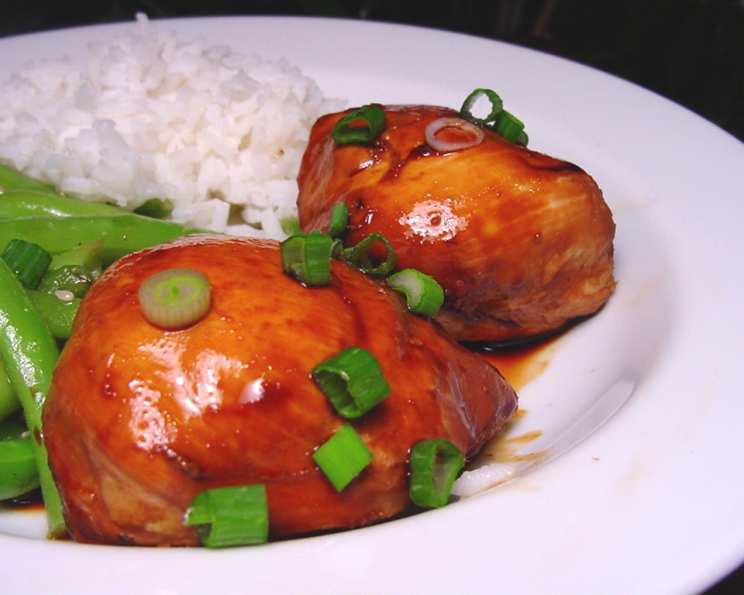
The Allure of Red-Cooked Chicken: A Symphony of Soy, Spice, and Savory Depth
There’s a unique magic that happens when humble ingredients are coaxed into something extraordinary through slow, patient cooking. Red-cooked chicken, or Hong Shao Ji, is one such dish that has always held a special place in my culinary heart. I remember the first time I encountered its intoxicating aroma wafting from a bustling Shanghai kitchen – a deep, sweet, and savory perfume that promised something truly special. It wasn’t just the visual appeal of the glistening, mahogany-hued chicken that captivated me, but the profound depth of flavor achieved with such seemingly simple components. Each bite was a revelation, a perfect balance of tender chicken and a rich, sticky sauce that clung to every morsel. This isn’t just a recipe; it’s an experience, a taste of tradition and comfort that can elevate any weeknight dinner or impress a small gathering of friends.
Recipe Overview
- Prep Time: 10 minutes
- Cook Time: 40 minutes
- Total Time: 50 minutes
- Servings: 4
- Yield: 4 servings
- Dietary Type: Not specified (can be adapted)
Ingredients
This recipe for Red-Cooked Chicken showcases how a few key pantry staples can transform simple chicken into a culinary masterpiece. The secret lies in the careful layering of flavors and the slow simmering process.
- 1 (10 ounce) bottle low sodium soy sauce
- 1/3 cup dry sherry
- 1/2 cup green onion, sliced
- 3 tablespoons brown sugar
- 2 slices fresh ginger
- 2 whole star anise
- 1 cinnamon stick, 3 to 4 inches long
- 1/4 – 1/2 teaspoon red pepper flakes (adjust to your spice preference)
- 4 skinless chicken leg quarters
- 2-3 green onions, sliced for garnish
Equipment Needed
For this delightful dish, you’ll need a few essential kitchen tools:
- A large saute pan or wok with a lid.
- A plate for resting the chicken.
- Aluminum foil for tenting.
- A sieve or fine-mesh strainer.
- A brush for glazing.
Instructions
The beauty of this Red-Cooked Chicken lies in its straightforward preparation, allowing the ingredients to meld and develop a rich, complex flavor profile.
- Begin by combining the low sodium soy sauce, dry sherry, 1/2 cup of sliced green onion, brown sugar, fresh ginger slices, star anise, cinnamon stick, and red pepper flakes in a large saute pan.
- Place the pan over high heat and bring the mixture to a rolling boil.
- Carefully add the skinless chicken leg quarters to the boiling liquid.
- Cover the pan, then reduce the heat to medium.
- Simmer the chicken for 30 minutes.
- After 30 minutes, turn the chicken pieces over.
- Cover the pan again and continue to cook for an additional 10 minutes.
- Once the chicken is cooked through, transfer the chicken to a plate. Tent it loosely with aluminum foil to keep it warm and moist.
- Return the saute pan with the braising liquid to the heat. Boil the braising liquid, uncovered, allowing it to reduce and thicken. This should take approximately 5 to 10 minutes, or until the liquid has become syrupy.
- Strain the thickened sauce through a sieve or fine-mesh strainer into a clean bowl.
- Carefully spoon off any fat that has risen to the surface of the strained sauce.
- Using a brush, generously brush the syrupy sauce onto the chicken pieces, coating them evenly.
- Garnish the chicken with the remaining sliced green onions.
- Serve immediately, with any extra sauce on the side for dipping.
Expert Tips & Tricks
Achieving that perfect mahogany glaze and tender chicken is all about a few key considerations.
- Chicken Quality: While leg quarters are ideal for their succulence and ability to stand up to braising, you can also use thighs. Ensure they are skinless as specified, as the skin can sometimes impart an undesirable texture in the reduced sauce.
- The Simmer is Key: Don’t rush the simmering process. Medium heat is crucial for allowing the chicken to cook through gently without becoming tough, while simultaneously infusing it with the aromatic braising liquid.
- Reducing the Sauce: The final reduction is where the magic happens. Keep a close eye on it, as it can go from perfectly syrupy to burnt very quickly. The color should deepen to a rich, glossy mahogany.
- Fat Skimming: Don’t skip the step of skimming the fat. This ensures a clean, intense flavor in your sauce and a more appealing final dish.
- Aromatic Balance: The ginger, star anise, and cinnamon stick are essential for the classic red-cooked flavor. Ensure they are fresh for the most vibrant aromatic contribution.
Serving & Storage Suggestions
Red-cooked chicken is incredibly versatile and can be enjoyed in several ways.
This dish is best served hot. The glossy, flavorful chicken is magnificent on its own, but it truly shines when paired with steamed Jasmine rice to soak up the luscious sauce. A side of blanched bok choy or steamed broccoli provides a refreshing contrast. For a more elaborate meal, consider serving it alongside some delicate wontons or a light, refreshing cucumber salad.
Leftovers can be stored in an airtight container in the refrigerator for up to 3 days. The flavors tend to meld and deepen overnight, making it even more delicious the next day. To reheat, gently warm the chicken and sauce in a saucepan over low heat, or microwave it, stirring occasionally, until heated through. For the best texture, avoid over-reheating.
Nutritional Information
While exact nutritional values can vary based on specific ingredient brands and precise quantities used, here’s an estimated breakdown per serving.
| Nutrient | Amount per Serving | % Daily Value |
|---|---|---|
| Calories | 167.3 kcal | N/A |
| Calories from Fat | ~50 kcal | N/A |
| Total Fat | 5.6 g | 7% |
| Saturated Fat | 1.5 g | 8% |
| Cholesterol | 135 mg | 45% |
| Sodium | 2393.1 mg | 99% |
| Total Carbohydrate | 4.9 g | 2% |
| Dietary Fiber | 0.5 g | 2% |
| Sugars | 3.9 g | 8% |
| Protein | 24.7 g | 49% |
Note: These values are approximate and do not include any accompaniments like rice or vegetables.
Variations & Substitutions
While this recipe is classic and incredibly satisfying as is, a few tweaks can tailor it to your preferences or pantry availability.
- Chicken Cuts: If leg quarters aren’t your preference, chicken thighs can be substituted. They will cook in a similar timeframe and offer a rich, succulent result. Chicken wings could also work, but will require a shorter simmering time.
- Sweetness Adjustment: For those who prefer a less sweet profile, you can slightly reduce the brown sugar. Conversely, if you love a sweeter glaze, you can add another teaspoon.
- Spice Level: The red pepper flakes can be increased for a spicier kick or omitted entirely for a milder dish.
- Aromatic Additions: While traditional, some cooks enjoy adding a knob of rock sugar for an extra layer of sweetness and gloss, or a few slices of dried tangerine peel for a subtle citrus note.
- Vegetarian/Vegan Adaptation: For a meatless version, firm tofu or hearty mushrooms like shiitake can be used. They will absorb the flavors beautifully. Adjust cooking time accordingly, as they will not require the same braising period as chicken.
FAQs (Frequently Asked Questions)
Q: Why is it called “Red-Cooked” chicken?
A: The name “Red-Cooked” (Hong Shao) refers to the characteristic deep, reddish-brown color achieved by braising in a soy sauce-based liquid, often with sugar, which caramelizes and creates the signature hue and glossy finish.
Q: Can I use bone-in chicken with skin?
A: While the recipe calls for skinless chicken leg quarters for a cleaner sauce, you could use bone-in, skin-on pieces. However, you would want to be more diligent about skimming fat from the sauce after braising.
Q: How can I make the sauce thicker if it doesn’t reduce enough?
A: If your sauce isn’t reaching the desired syrupy consistency after 10 minutes of boiling, you can create a slurry by mixing 1 teaspoon of cornstarch with 1 tablespoon of cold water. Whisk this slurry into the simmering sauce and cook for another minute or two until thickened.
Q: Can I prepare this dish ahead of time?
A: Yes, Red-Cooked Chicken is an excellent make-ahead dish. The flavors often improve after a day. Reheat gently on the stovetop or in the oven.
Q: What kind of soy sauce should I use?
A: Low sodium soy sauce is recommended to control the saltiness, especially since it’s the primary liquid base for the sauce. If you only have regular soy sauce, you might want to dilute it slightly with water.
Final Thoughts
The journey of creating Red-Cooked Chicken is as rewarding as savoring its deeply comforting flavors. It’s a testament to the power of simple ingredients transformed by thoughtful cooking. I encourage you to embrace the aromas that will fill your kitchen and to savor each tender, glazed piece. Whether you’re serving it to loved ones or enjoying a quiet moment of culinary pleasure, this dish is sure to bring warmth and satisfaction to your table. I’d be delighted to hear about your own Red-Cooked Chicken adventures – share your experiences and any creative pairings you discover!