
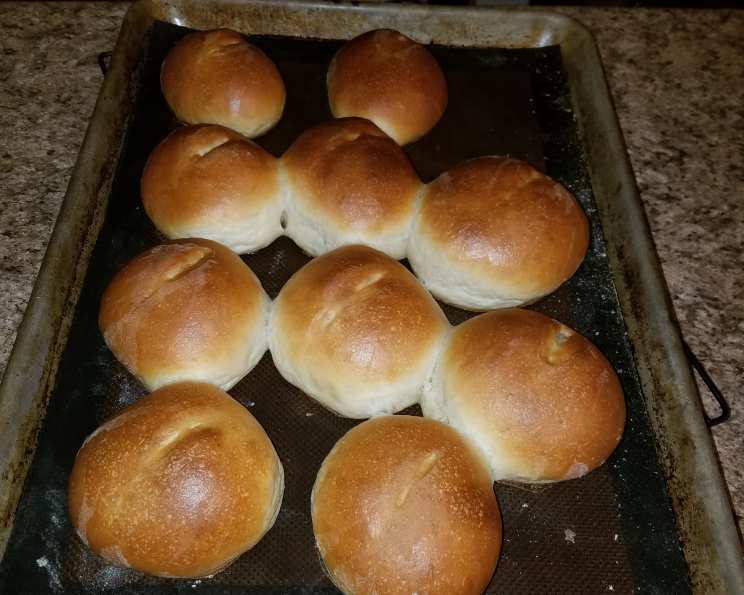
Really Easy, Really Good French Bread
There are certain recipes that, when shared, carry with them a whisper of a promise – a promise of simplicity, of deliciousness, and of a reward far greater than the effort expended. This French bread recipe is one of those gems. It arrived in my life, as many of the best things do, through a friend with a twinkle in her eye and an unwavering conviction. She swore it was foolproof, and to this day, her words echo in my mind every time I pull a golden, fragrant loaf from the oven. It’s a bread that speaks of cozy kitchens, impromptu gatherings, and the sheer joy of transforming humble ingredients into something truly spectacular, often surpassing even the finest bakery offerings.
Recipe Overview
- Prep Time: 15 minutes, plus 1 hour rising time
- Cook Time: 25–30 minutes
- Total Time: Approximately 2 hours
- Servings: 10–12
- Yield: 2-3 loaves
- Dietary Type: Vegan
Ingredients
This recipe is a testament to the magic that can happen with just a few pantry staples.
- 1⁄4 ounce dry active yeast (this is equivalent to one standard packet)
- 1⁄4 cup warm water (around 105-115°F or 40-46°C)
- 1⁄4 teaspoon sugar (for proofing the yeast)
- 1 cup hot water (around 120-130°F or 49-54°C)
- 1 1⁄2 tablespoons granulated sugar
- 1⁄2 tablespoon salt
- 1⁄4 cup oil (vegetable, canola, or a light olive oil work well)
- 2 1⁄2 to 3 cups all-purpose flour, plus more for dusting
Equipment Needed
You won’t need any specialized equipment for this straightforward bread, just the basics:
- A small bowl for proofing yeast.
- A large mixing bowl, or a stand mixer with a dough hook.
- A measuring cup and measuring spoons.
- A whisk or spoon for mixing.
- A baking sheet.
- A sharp knife or razor blade for scoring.
- A pastry brush (optional, for egg wash).
- An oven.
- A cooling rack.
Instructions
The beauty of this recipe lies in its uncomplicated process. Follow these steps, and you’ll be rewarded with fantastic French bread.
-
Activate the Yeast: In a small bowl, combine the 1⁄4 cup of warm water and 1⁄4 teaspoon of sugar. Sprinkle the dry active yeast over the surface. Let it sit undisturbed for about 5 to 10 minutes. You’ll know it’s ready when it becomes foamy and smells pleasantly yeasty – a sign that your yeast is alive and kicking. If it doesn’t foam, your yeast might be expired, or the water wasn’t the right temperature, and you’ll need to start with fresh yeast and water.
-
Build the Base: In a large mixing bowl (or the bowl of your stand mixer), combine the 1 cup of hot water, 1 1⁄2 tablespoons of granulated sugar, salt, and oil. Give this a brief stir to dissolve the sugar and salt.
-
Incorporate the Flour and Yeast: Add 1 1⁄2 cups of the all-purpose flour to the wet ingredients in the large bowl. If you’re using a stand mixer, attach the dough hook and mix on low speed until just combined. If mixing by hand, use a sturdy spoon or spatula. Next, gently stir in the activated yeast mixture.
-
Develop the Dough: Gradually add another 1 to 1 1⁄2 cups of all-purpose flour, mixing until the dough is well blended. At this stage, the dough will likely be quite sticky. This is perfectly normal! Resist the urge to add too much extra flour at this point, as it can make the bread dense. The dough should still have a slight tackiness.
-
First Rise: Cover the bowl with a clean kitchen towel or plastic wrap. Let the dough rise in a warm place for 1 hour. During this hour, you can gently punch down the dough a few strokes once or twice. This helps to develop the gluten and create a better texture. The dough should roughly double in size.
-
Shape the Loaves: Once the dough has risen, turn it out onto a lightly floured surface. Divide the dough into 2 or 3 equal pieces, depending on how large you want your loaves. If you’re making 2 loaves, each will be quite substantial; 3 will yield smaller, more manageable baguettes. Gently shape each piece into your desired loaf length, then roll it up lengthwise, similar to how you would roll a jelly roll. This creates layers and structure within the bread.
-
Prepare for Baking: Place the rolled loaves, sealed side down, onto a lightly greased baking sheet. Tuck the ends of each loaf under slightly to create a neat finish. Using a sharp knife or a razor blade, slash the top of each loaf diagonally every couple of inches. This allows the bread to expand evenly in the oven and gives it that classic French bread look. For a richer, golden crust, you can brush the tops with an egg white, though this is entirely optional and the bread is delicious without it.
-
Preheat and Second Rise: Preheat your oven to 400 degrees Fahrenheit (200°C). Place the prepared loaves back into a warm spot and let them rise for an additional 30 minutes. This second rise, often called proofing, gives the bread its final airy structure before baking.
-
Bake to Perfection: Once the oven is preheated and the loaves have proofed, carefully place the baking sheet into the hot oven. Bake for 25 to 30 minutes. The bread is ready when it’s a beautiful golden-brown color and sounds hollow when tapped on the bottom. The internal temperature should register around 200-210°F (93-99°C) on an instant-read thermometer.
-
Cooling: Transfer the baked loaves to a wire cooling rack immediately. This prevents the bottoms from becoming soggy. Allow them to cool for at least 15-20 minutes before slicing. The crust will crisp up further as it cools.
Expert Tips & Tricks
- Warmth is Key for Yeast: Ensure your warm water for proofing yeast is between 105-115°F (40-46°C). Too hot, and you’ll kill the yeast; too cool, and it won’t activate effectively. A kitchen that’s slightly warmer than usual, or placing the bowl near a slightly warm oven (turned off!), can create an ideal rising environment.
- Don’t Fear the Stickiness: Remember, a slightly sticky dough is a good sign of proper hydration, leading to a tender crumb. Only add enough extra flour to make the dough manageable to handle, not so much that it becomes stiff.
- Scoring Technique: A clean, sharp knife or a baker’s lame is crucial for scoring. A gentle, confident slash allows the bread to expand beautifully without tearing.
- Oven Variations: Every oven is different! If your oven tends to run hot, keep an eye on the bread and you might need to reduce the baking time slightly to prevent over-browning. Conversely, if it runs cooler, you might need the full 30 minutes.
- Egg Wash for Shine: While not essential, a light brush of egg white (or even just water) mixed with a splash of milk before the second rise can give the crust a lovely sheen and a slightly darker bake.
Serving & Storage Suggestions
This Really Easy, Really Good French Bread is incredibly versatile. Serve it warm, sliced thick, with a generous smear of butter, alongside your favorite soup or stew, or as the foundation for a magnificent sandwich. It’s also a fantastic accompaniment to pasta dishes or a simple cheese board.
For storage, it’s best enjoyed fresh. If you have leftovers, wrap them tightly in plastic wrap or a bread bag and keep them at room temperature for up to 2 days. For longer storage, slice the cooled bread and freeze it in airtight packaging. Reheat slices directly from frozen in a toaster or a low oven until warmed through and crisp.
Nutritional Information
This is an estimated nutritional breakdown per serving, assuming the recipe yields 10-12 servings.
| Nutrient | Amount per Serving | % Daily Value |
|---|---|---|
| Calories | 172 kcal | 9% |
| Total Fat | 5.8 g | 7% |
| Saturated Fat | 0.8 g | 4% |
| Cholesterol | 0 mg | 0% |
| Sodium | 351 mg | 15% |
| Total Carbohydrate | 26.1 g | 9% |
| Dietary Fiber | 1 g | 4% |
| Sugars | 2.1 g | 2% |
| Protein | 3.5 g | 7% |
Note: Percent Daily Values are based on a 2,000-calorie diet. Your daily values may be higher or lower depending on your calorie needs.
Variations & Substitutions
While this recipe is beautifully simple as is, feel free to experiment:
- Herb Bread: Incorporate a tablespoon or two of finely chopped fresh herbs like rosemary, thyme, or parsley into the dough during the last addition of flour.
- Garlic and Cheese: Brush the rolled loaves with melted butter, minced garlic, and a sprinkle of Parmesan cheese before the second rise for a savory twist.
- Whole Wheat Blend: Substitute up to 1 cup of the all-purpose flour with whole wheat flour for a nuttier flavor and added fiber. You may need to adjust the liquid slightly.
FAQs
Q: Can I make this bread ahead of time?
A: You can prepare the dough and let it undergo its first rise, then refrigerate it overnight. Bring it to room temperature before shaping and proceeding with the second rise and baking.
Q: My bread didn’t rise much. What could be wrong?
A: The most common culprits are inactive yeast or an improper water temperature when proofing the yeast. Ensure your yeast is fresh and the water is warm, not hot.
Q: Why are the slashes important?
A: The slashes, or scores, allow the bread to expand predictably as it bakes, preventing it from bursting in unwanted places and contributing to the classic French bread appearance.
Q: Can I use instant yeast instead of active dry yeast?
A: Yes, you can often substitute instant yeast for active dry. If you do, you can usually skip the proofing step and add it directly to the dry ingredients, but always check the yeast package for specific instructions.
Q: How can I get a crisper crust?
A: Baking in a preheated oven at 400°F (200°C) is key. Some bakers also like to add a steam element to their oven by placing a shallow pan of water on the rack below the bread during the first 10-15 minutes of baking, which helps create steam and a crispier crust.
Final Thoughts
There’s a profound satisfaction that comes from baking your own bread, and with this recipe, that satisfaction is within everyone’s reach. It’s a humble loaf, yes, but one that carries immense flavor and a delightful chew. Imagine the aroma filling your kitchen as it bakes – a true testament to the power of simple ingredients and a little bit of time. Share it generously, savor each slice, and perhaps, like me, you’ll find yourself reaching for this recipe again and again, a reliable friend in your culinary adventures.