
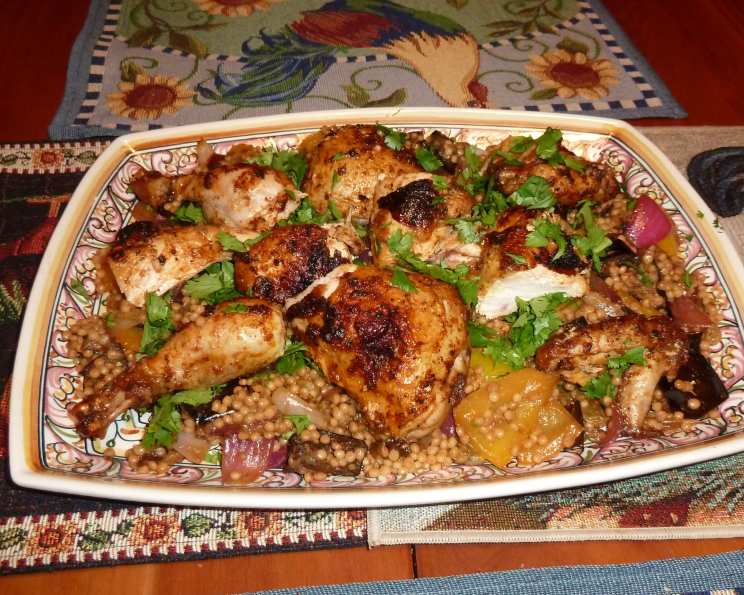
Ras El Hanout: The Soul of Moroccan Spice
My first encounter with Ras El Hanout wasn’t in a bustling Moroccan souk, but rather in the hushed reverence of a spice shop in Marrakesh. The proprietor, with eyes that held the warmth of a thousand sunsets, meticulously measured out an array of dried petals, roots, and seeds. He explained that “Ras El Hanout” means “head of the shop,” a testament to a spice blend so prized that it represented the very best the merchant had to offer. The aroma that wafted from his small shop was intoxicating – a symphony of sweet, savory, earthy, and floral notes that promised culinary magic. It was more than just a spice mix; it was an olfactory journey, a whisper of ancient traditions and vibrant flavors.
Recipe Overview
- Prep Time: 15 minutes
- Cook Time: A few minutes (for toasting spices)
- Total Time: ~15 minutes (plus cooling time for spices)
- Servings: Yields approximately 3/4 cup of spice blend
- Yields: ~3/4 cup
- Dietary Type: Vegan, Gluten-Free, Dairy-Free (as a spice blend; preparation depends on usage)
Ingredients
The magic of Ras El Hanout lies in its complexity, a harmonious marriage of diverse aromatic components. While authentic versions can be incredibly elaborate, this rendition focuses on readily available ingredients that deliver a profound depth of flavor.
- 4 whole nutmegs
- 10 dried rosebuds
- 12 cinnamon sticks (Ceylon)
- 12 pieces mace blades
- 1 teaspoon anise seed
- 2 dried chipotle peppers
- 1/2 teaspoon dried lavender
- 1 tablespoon white peppercorns
- 1 tablespoon cumin seed
- 1 tablespoon coriander seed
- 2 pieces dried galangal
- 2 tablespoons dried whole gingerroot
- 8 pieces dried turmeric (roots)
- 6 whole cloves
- 24 allspice berries
- 20 green cardamom pods
- 4 black cardamom pods
- 2 teaspoons saffron threads
Equipment Needed
- Small skillet
- Spice grinder (a dedicated coffee grinder is ideal for spices)
- Mortar and pestle (optional, for breaking down nutmeg)
- Fine-mesh strainer
- Airtight glass jar for storage
Instructions
Crafting your own Ras El Hanout is a rewarding endeavor, transforming humble pantry staples into a potent flavor elixir. The process is straightforward, focusing on releasing the inherent aromas of each spice through gentle heat and then uniting them in a finely ground blend.
- Toast the Aromatics: Place a small skillet over moderate heat. When the skillet is hot, carefully add the white peppercorns, anise seed, cumin seed, coriander seed, cloves, and allspice berries. Stir constantly for a few minutes, until the spices become fragrant and their essential oils are released. This toasting process is crucial for intensifying their flavors. Be careful not to burn them.
- Cool the Toasted Spices: Once toasted, remove the skillet from the heat and transfer the spices to a separate bowl. Allow them to cool completely. This prevents them from becoming clumpy when ground.
- Prepare the Cardamom: While the toasted spices cool, husk the green cardamom pods, carefully reserving the small, intensely fragrant seeds within. You can discard the outer shells. For the black cardamom pods, you’ll also want to extract the seeds, as they carry a smoky, camphoraceous aroma that adds a unique dimension.
- Seed the Chipotle Peppers: Remove the seeds and veins from the dried chipotle peppers. Then, break them apart into smaller pieces. This will help them grind more easily.
- Break Down the Nutmeg: If you have whole nutmegs, use a mortar and pestle to break them up into smaller pieces. This makes them easier to grind. Alternatively, you can grate them.
- Combine and Grind: Once the toasted spices have cooled, combine them in your spice grinder with the prepared cardamom seeds, seeded chipotle peppers, broken nutmeg, dried rosebuds, cinnamon sticks, mace blades, dried lavender, dried galangal, dried whole gingerroot, dried turmeric roots, and saffron threads.
- Grind to a Fine Powder: Grind all the ingredients together until you achieve a fine powder. For best results, grind in batches if your spice grinder is small to avoid overheating. A coffee grinder dedicated solely to spices works wonderfully for this purpose, ensuring that no coffee residue compromises the purity of your blend. As Alton Brown wisely suggests, having a dedicated spice grinder is a worthwhile investment for any serious home cook.
- Sift for Smoothness: After grinding, it’s beneficial to sift the spice blend through a fine-mesh strainer. This step will remove any larger, fibrous pieces from the galangal, turmeric, and ginger that may not have fully ground down, ensuring a consistently smooth texture.
- Store Properly: Transfer the finished Ras El Hanout to an airtight glass jar. To preserve its potent aroma and flavor, store it under refrigeration.
Creating a Classic Slather:
A typical way to use this Ras El Hanout is to create a flavorful slather. To do this, combine 1 tablespoon of this Ras El Hanout blend with 1 tablespoon of Spanish smoked paprika. Crush at least one large clove of garlic into a paste with Kosher salt. Combine this garlic paste with the paprika and Ras El Hanout. Then, add olive oil and the juice of one lemon. This vibrant mixture is perfect for slathering over chicken, lamb, or fish before roasting until done.
Expert Tips & Tricks
- Freshness is Key: The quality of your Ras El Hanout hinges on the freshness of its components. Source whole spices whenever possible, as they retain their essential oils for longer.
- Roast with Care: When toasting the initial spices, keep a close eye on them. A minute too long can turn fragrant into burnt, which will impart a bitter note to your blend.
- The Power of the Saffron: Saffron threads are potent and add a unique aroma and subtle color. Ensure they are fresh for the best flavor contribution.
- Spice Grinder Etiquette: If you use a coffee grinder for your spices, make it a dedicated one. The residual oils from coffee beans can subtly alter the aroma of your precious spice blends.
- Adjusting Heat: While chipotle peppers add a smoky heat, you can omit them or add a pinch of cayenne if you prefer a milder blend, or more for an extra kick.
Serving & Storage Suggestions
This aromatic Ras El Hanout is incredibly versatile. Store the ground blend in an airtight glass jar in the refrigerator. It will maintain its peak flavor for up to six months.
When using it to create a slather, apply it generously to your chosen protein and roast until cooked through. It’s also a fantastic addition to tagines, stews, couscous dishes, and marinades. For an unexpected twist, sprinkle a pinch over roasted vegetables or even into a warm lentil soup.
Nutritional Information
(Note: Nutritional information for a spice blend is an estimate and depends heavily on the specific ingredients and their proportions. This data reflects the blend itself, not a dish prepared with it.)
| Nutrient | Amount per Serving (approx. 1 tsp) | % Daily Value |
|---|---|---|
| Calories | 20 kcal | 1% |
| Total Fat | 1.5 g | 2% |
| Saturated Fat | 0.5 g | 3% |
| Cholesterol | 0 mg | 0% |
| Sodium | 5 mg | <1% |
| Total Carbohydrate | 3 g | 1% |
| Dietary Fiber | 1 g | 4% |
| Sugars | 0.5 g | 1% |
| Protein | 0.5 g | 1% |
These values are estimates and may vary based on ingredient sourcing and exact measurements.
Variations & Substitutions
While this recipe provides a robust foundation, feel free to experiment and adapt.
- Floral Notes: For an even more pronounced floral character, consider adding a small amount of dried hibiscus flowers.
- Citrus Zest: Dried citrus zest, such as orange or lemon, can add a bright, zesty undertone. Ensure it’s thoroughly dried to prevent spoilage.
- Peppercorn Play: Swap white peppercorns for black peppercorns for a slightly different bite, or incorporate a few pink peppercorns for a delicate fruity note.
- Sweetness Spectrum: Some recipes include a touch of dried fruit powder, like apricot or date, for a subtle sweetness.
FAQs
Q: What is the meaning of “Ras El Hanout”?
A: “Ras El Hanout” translates to “head of the shop” in Arabic, signifying the best and most premium spices a merchant has to offer.
Q: Why are some ingredients toasted before grinding?
A: Toasting whole spices awakens their essential oils, intensifying their aromas and flavors, and adding a depth that raw spices wouldn’t provide.
Q: Can I use pre-ground spices instead of whole ones?
A: While you can, it’s highly recommended to use whole spices for the freshest and most vibrant flavor. Pre-ground spices lose their potency much faster.
Q: How long does homemade Ras El Hanout last?
A: Stored properly in an airtight jar in the refrigerator, your homemade Ras El Hanout can last for up to six months, though its flavor is best within the first three to four months.
Q: Is Ras El Hanout spicy?
A: The heat level of Ras El Hanout can vary depending on the ingredients used. This recipe includes chipotle peppers for a mild smokiness and heat, but it’s generally considered a warmly spiced blend rather than overtly hot.
Final Thoughts
The journey of creating your own Ras El Hanout is as enriching as the final product. It’s an invitation to engage with the soul of Moroccan cuisine, to understand the intricate dance of flavors that has captivated palates for centuries. This blend isn’t just an ingredient; it’s a story, a tradition, and a promise of deliciousness. So, gather your spices, embrace the aromas, and let this magnificent blend transform your cooking into an extraordinary culinary adventure. Serve it with love, share it with joy, and perhaps pair it with a fragrant mint tea to complete the sensory experience.