
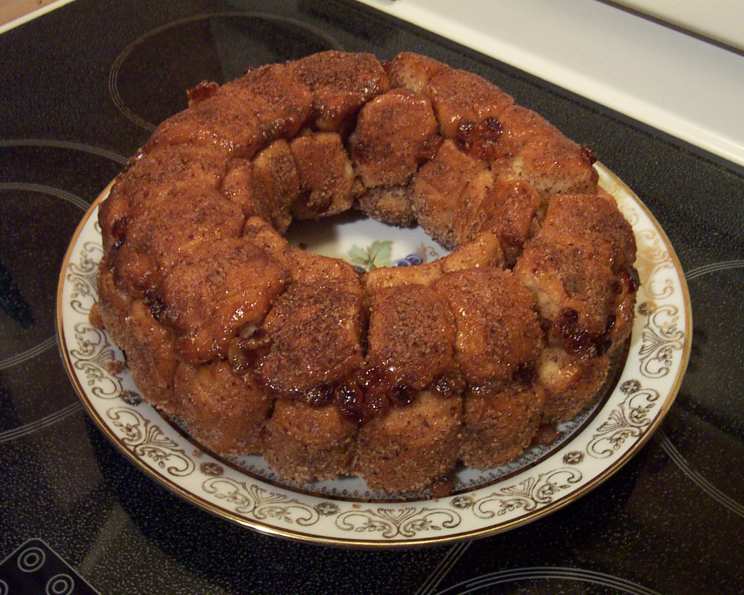
Raisin-Nut Monkey Bread: A Sweet Symphony of Nostalgia and Flavor
There are certain aromas that, for me, are inextricably linked to pure, unadulterated joy and the warmth of family gatherings. The scent of cinnamon and warm butter, mingling with the sweet promise of caramelization, is one such olfactory signature. I vividly recall a particular Christmas morning, the air thick with anticipation and the subtle crackle of the tree lights, when this very Raisin-Nut Monkey Bread emerged from the oven. My husband, a man of few effusive pronouncements, took one bite and his eyes widened with delight, a silent testament to its magic that has echoed through our home ever since, his requests for its return a sweet, recurring melody. This isn’t just a recipe; it’s an invitation to create memories, especially with little hands eager to help shape the dough balls and a sprinkle of cinnamon-sugar magic. The preparation time, while requiring a bit of patience for the dough to work its enchanting rise, is a small price to pay for the delightful reward.
Recipe Overview
- Prep Time: 30 minutes (plus 2 hours 15 minutes rising time)
- Cook Time: 35 to 40 minutes
- Total Time: 3 hours 25 minutes
- Servings: 8 to 10
- Yield: 1 (10-inch tube pan or Bundt pan)
- Dietary Type: Contains Gluten, Dairy, and Eggs
Ingredients
Here’s what you’ll need to create this pull-apart masterpiece:
For the Dough:
- 1 cup milk
- 1/4 cup butter or 1/4 cup margarine
- 1/4 ounce active dry yeast
- 1/4 cup warm water (105-115°F)
- 3 1/2 to 4 cups all-purpose flour
- 1/4 cup sugar
- 1 egg
- 1 teaspoon salt
For the Coating and Filling:
- 1 cup sugar (divided)
- 1/2 cup chopped pecans
- 1 1/2 teaspoons cinnamon
- 1/2 cup butter or 1/2 cup margarine, melted
- 1/2 cup golden raisins
Equipment Needed
To bring this recipe to life, you’ll want to have on hand:
- A 1-quart saucepan
- A large mixer bowl (for stand mixer, or a large mixing bowl for hand mixing)
- Measuring cups and spoons
- A clean, lightly floured surface for kneading
- A greased bowl for dough rising
- A 10-inch tube pan or Bundt pan
- Aluminum foil (if using a tube pan for lining the bottom)
- A heatproof serving plate
Instructions
Let’s embark on the delightful journey of creating your Raisin-Nut Monkey Bread.
-
Begin by preparing the liquid base for your dough. In a 1-quart saucepan, gently heat the milk until it just comes to a boil. Remove from heat and stir in the 1/4 cup of butter (or margarine) until it’s completely melted and incorporated into the milk. Allow this mixture to cool until it reaches a warm temperature, ideally between 105 and 115°F. This temperature is crucial for activating the yeast without harming it.
-
In the bowl of your stand mixer (or a large mixing bowl if you’re mixing by hand), dissolve the active dry yeast in the warm water. Let it sit for about 5 to 10 minutes, until it becomes foamy, indicating the yeast is alive and ready.
-
To the activated yeast mixture, add the cooled milk mixture, 2 cups of the all-purpose flour, 1/4 cup of sugar, the egg, and the salt.
-
If using a stand mixer, beat these ingredients at medium speed, scraping the bowl often, until the mixture is smooth. This should take about 1 to 2 minutes. If mixing by hand, whisk vigorously until well combined and smooth.
-
Gradually add more flour, about 1/2 cup at a time, stirring with a wooden spoon or the dough hook of your mixer. Continue adding flour until the dough becomes easy to handle and starts to pull away from the sides of the bowl. You might not need all of the flour, or you might need a touch more, depending on humidity and flour type.
-
Turn the dough out onto a lightly floured surface. Now comes the satisfying part: knead the dough until it’s smooth and elastic. This typically takes about 10 minutes by hand. If using a stand mixer with a dough hook, knead on medium-low speed for about 7 to 8 minutes.
-
Grease a clean bowl generously. Place the kneaded dough into the greased bowl, turning it over once to ensure the entire surface is lightly coated with grease. This prevents a dry skin from forming.
-
Cover the bowl with a clean kitchen towel or plastic wrap. Let the dough rise in a warm place until it has doubled in size. This usually takes about 1 to 1 1/2 hours. You’ll know it’s ready when an indentation remains when you gently touch the dough with your finger.
-
Once the dough has doubled, punch it down to release the air. Divide the dough into two equal portions.
-
With lightly floured hands, shape each portion of dough into 24 evenly sized balls. You should have a total of 48 balls.
-
In a small bowl, stir together 1 cup of sugar, the chopped pecans, and the cinnamon. This is your aromatic coating mixture.
-
Prepare your pan. Grease your 10-inch tube pan or Bundt pan thoroughly. If you are using a tube pan, it’s a good idea to line the bottom with aluminum foil to help with easy removal later.
-
Take the dough balls, one by one, and dip them first into the melted butter (or margarine), ensuring they are well coated. Then, roll them in the sugar-pecan-cinnamon mixture until thoroughly covered.
-
Arrange 24 of the coated balls in the bottom of your prepared pan. Try to distribute them evenly.
-
Sprinkle the golden raisins over the first layer of dough balls.
-
Now, take the remaining 24 coated dough balls and place them on top of the raisins and the first layer.
-
Cover the pan again with a clean towel or plastic wrap. Allow the monkey bread to rise again until doubled in size, which will take approximately 45 minutes.
-
Preheat your oven to 375°F (190°C).
-
Bake the monkey bread for 35 to 40 minutes, or until it sounds hollow when tapped lightly. The tops should be golden brown and the caramelization should be evident.
-
This step is critical for presentation: Immediately invert the pan onto a heatproof serving plate.
-
Let the pan stand for 1 minute. This brief pause allows the glorious caramelized sugar mixture to drizzle down over the monkey bread, creating that irresistible glaze.
-
Carefully remove the pan. Serve your magnificent Raisin-Nut Monkey Bread warm.
Expert Tips & Tricks
- Yeast Activation is Key: Don’t rush the yeast. If your water isn’t the right temperature or the yeast is old, it won’t foam, and your dough won’t rise properly. Use a thermometer if you’re unsure about water temperature.
- Flour Adjustment: The amount of flour can vary. Start with the lower end and add more as needed. Over-flouring can lead to a tough monkey bread.
- Warm Rising Place: A slightly warm oven (turned off, with the light on) or near a sunny window can create the perfect environment for dough to rise. Avoid drafts.
- Even Ball Size: While not strictly necessary, making the dough balls roughly the same size will ensure more even baking and a more cohesive pull-apart experience.
- Pan Prep: Don’t skimp on greasing the pan. A well-greased pan is your best friend when it comes to unmolding this sticky, delicious treat.
Serving & Storage Suggestions
This Raisin-Nut Monkey Bread is best enjoyed warm, straight from the oven, when the caramel is at its most gooey and enticing. The way the sugar mixture cascades down the sides as you invert it is part of the magic! It’s perfect for a festive brunch, a special breakfast, or even an after-school treat.
Leftovers can be stored at room temperature in an airtight container for up to 2 days. For longer storage, refrigerate it for up to 4 days. To reheat, place individual portions in the microwave for 15-30 seconds, or gently warm the entire loaf in a low oven (around 300°F or 150°C) for about 10 minutes until warmed through.
Nutritional Information
Here’s an estimated breakdown of the nutritional content per serving:
| Nutrient | Amount per Serving (approx.) | % Daily Value (approx.) |
|---|---|---|
| Calories | 4635.7 kcal | |
| Calories from Fat | 1766 g | |
| Total Fat | 196.3 g | 301% |
| Saturated Fat | 98.8 g | 493% |
| Cholesterol | 611.7 mg | 203% |
| Sodium | 3518.8 mg | 146% |
| Total Carbohydrate | 666.3 g | 222% |
| Dietary Fiber | 23.3 g | 93% |
| Sugars | 296.6 g | 1186% |
| Protein | 71.2 g | 142% |
Please note: Nutritional information is an estimate and can vary based on specific ingredients and portion sizes.
Variations & Substitutions
While this classic version is divine, feel free to experiment!
- Nut Swap: Walnuts or almonds can be used instead of pecans for a different nutty profile.
- Extra Spice: Add a pinch of nutmeg or cardamom to the cinnamon-sugar mixture for added complexity.
- Chocolate Lovers: Drizzle with a simple chocolate glaze after baking for an extra decadent treat.
- Fruit Focus: Dried cranberries or chopped dried apricots can be used in place of or alongside the raisins.
FAQs
Q: Why do I need to let the dough rise twice?
A: The first rise develops the gluten structure and flavor of the dough. The second rise allows the shaped balls to puff up, creating a lighter, airier texture when baked.
Q: My monkey bread didn’t come out of the pan easily. What went wrong?
A: Insufficient greasing of the pan is the most common culprit. Ensure you’ve thoroughly greased every nook and cranny, especially if using a non-stick pan. Lining the bottom of a tube pan with foil also helps.
Q: Can I make the dough ahead of time?
A: Yes, you can refrigerate the dough after its first rise. Punch it down, cover it tightly, and it can be stored in the refrigerator for up to 24 hours. Let it come to room temperature slightly before shaping.
Q: What kind of milk is best for the dough?
A: Whole milk will yield the richest dough. However, 2% or even skim milk will work, though the dough might be slightly less tender.
Q: How do I know when the monkey bread is fully baked?
A: Beyond the golden-brown color, the sound it makes when tapped is a key indicator. A hollow sound means it’s cooked through to the center.
A Sweet Farewell
This Raisin-Nut Monkey Bread is more than just a sweet indulgence; it’s a testament to the simple joys that food can bring. It’s a recipe that whispers of cozy mornings, shared laughter, and the enduring comfort of home. I encourage you to gather your loved ones, perhaps even those little ones, and embark on creating this delightful treat. Share stories as you shape the dough, enjoy the intoxicating aroma as it bakes, and savor the sticky, sweet perfection when it’s time to pull it apart. Serve it warm with a steaming mug of coffee or a glass of cold milk, and let the memories be as sweet as the bread itself. Happy baking!