
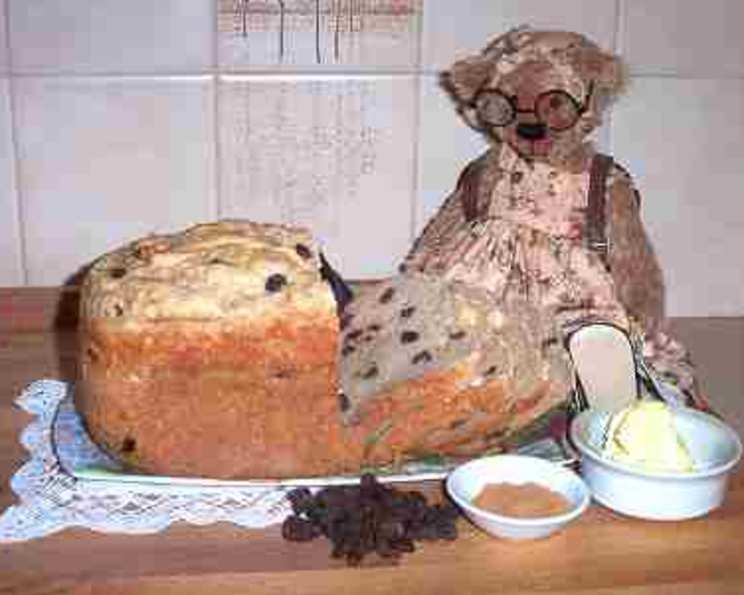
A Hug in a Loaf: My Journey with Gluten-Free Raisin Bread
The aroma of freshly baked raisin bread, warm and sweet, has always been a signal of comfort and home for me. It’s a scent that can transport me back to my grandmother’s kitchen, where she’d patiently knead dough, her hands dusted with flour, a gentle smile on her face. Even now, years later, the memory of that sweet, spiced bread, studded with plump, juicy raisins, brings a profound sense of warmth. Developing a gluten-free version that captured that same nostalgic essence was a delightful challenge, a culinary quest to prove that deliciousness knows no dietary bounds. And when even the most ardent gluten-lovers in my family rave about this loaf, I know we’ve achieved something truly special – a slice of pure, unadulterated joy for everyone.
Recipe Overview
- Prep Time: Variable, approximately 15-20 minutes active time
- Cook Time: 50-60 minutes (oven method) or as per breadmaker settings
- Total Time: Approximately 2 hours 15 minutes (including rising)
- Servings: 1 large loaf
- Yield: 1 large loaf
- Dietary Type: Gluten-Free, Dairy-Free (when using vegan egg replacer and soymilk powder)
Ingredients
To bring this comforting gluten-free raisin bread to life, gather these ingredients:
- For the Base Dough:
- 2 ½ cups water (this can vary; start with less and add more as needed)
- ⅓ cup oil (olive oil, canola oil, or a blend are excellent choices)
- 1 teaspoon cider vinegar
- ½ cup brown rice flour
- ½ cup besan (chickpea or garbanzo flour)
- 2 cups rice flour
- 1 cup arrowroot
- 4 teaspoons xanthan gum (or guar gum if preferred)
- 3 tablespoons sugar
- 4 tablespoons brown sugar
- 4 teaspoons cinnamon
- 1 ½ teaspoons salt
- 2 teaspoons gluten-free baking powder
- 6 teaspoons vegan egg replacer powder (or 3 large eggs, in which case you should reduce the water by ¾ cup)
- ½ cup soymilk powder
- 2 ½ teaspoons dried yeast granules
- For the Sweetness and Texture:
- 1 – 1 ½ cups sultanas (or raisins, feel free to adjust the quantity to your liking)
Equipment Needed
- Large mixing bowls
- Whisk
- Spatula or spoon for mixing
- Measuring cups and spoons
- Sifter
- Loaf pan (standard 9×5 inch or similar)
- Breadmaker (optional, if using the breadmaker method)
- Wire cooling rack
- Oven (preheated to 190°C / 375°F)
- Skewer or toothpick for testing doneness
Instructions
Creating this delightful gluten-free raisin bread is a rewarding process, and thankfully, there are a few methods to suit your kitchen setup. Whether you have a trusty breadmaker or prefer the hands-on approach, the result is a wonderfully fragrant loaf.
Breadmaker Method
- Combine Dry Ingredients: In a large bowl, sift together all the dry ingredients, except for the egg replacer powder. This ensures an even distribution and a lighter texture.
- Prepare Wet Ingredients: In a separate bowl, whisk the vegan egg replacer powder (or the eggs, if using) with approximately ½ cup of the water until it becomes frothy. Then, add the remaining wet ingredients, making sure to reserve about ¼ to ½ cup of the water.
- Mix Batter: Add the wet ingredients to the dry ingredients and begin to mix them together.
- Achieve Correct Consistency: Add any extra water slowly, about 1 tablespoon at a time, until the batter reaches the correct consistency. It should be thicker than a cake batter but not as thick as cookie dough.
- Transfer to Pan: Spoon the batter into your prepared breadmaker pan.
- Breadmaker Settings: Set your breadmaker to the recommended setting for your specific model. If you’re unsure, try the ‘Basic’ or ‘Rapid’ setting. If your breadmaker has a programmable option, it’s beneficial to set it to skip the second kneading, as this isn’t typically necessary for gluten-free breads. Alternatively, for breadmakers with a ‘Bake Only’ setting, you can use the ‘Dough’ setting followed by the ‘Bake Only’ setting.
- Add Sultanas: Add the sultanas when the “add-ins” beep sounds, or during the very last stages of mixing if your breadmaker doesn’t have an “add-ins” cycle.
- Mixing Oversight (If Applicable): If your breadmaker does a thorough job of mixing, you can try adding the wet ingredients to the pan first, followed by the combined dry ingredients (or vice-versa, depending on your machine). About 5 minutes into the mixing cycle, check that all the flour has been incorporated. If not, use a rubber spatula to scrape the sides and base of the pan and stir thoroughly. At this point, also check the batter consistency and add extra water, 1 tablespoon at a time, if it seems too stiff. Conversely, if it appears too wet, a little extra flour can be added.
- Final Sultana Addition: Again, add the sultanas when the “add-ins” beep sounds or at the very end of the mixing cycle.
- Cooling: Once the bread is cooked, remove it from the breadmaker immediately. Do not leave it in the machine during any ‘Keep Warm’ cycles, as this can affect the texture. Turn out the loaf from the pan after a few minutes and cool it completely on a wire rack.
Hand Method 1
- Combine Dry Ingredients: Sift and combine all the dry ingredients in a large mixing bowl.
- Prepare Wet Ingredients: In a separate bowl, whisk the vegan egg replacer powder (or eggs) with about ½ cup of the water until frothy. Add the remaining wet ingredients, reserving a little water as mentioned earlier.
- Mix Batter: Add the wet ingredients to the dry ingredients and mix slowly.
- Beat Until Smooth: Once combined, beat the batter on high speed until it is smooth. Add more water slowly if required to achieve the desired consistency.
- Incorporate Sultanas: Add the sultanas at the very end of the mixing process.
- Prepare for Rising: Spoon the batter into a greased and floured (using gluten-free flour) loaf pan. Cover the pan with plastic wrap.
- Rising: Place the covered loaf in a warm, draught-free position to rise for about 1 hour. If you struggle to find a warm spot, a very low oven can be used.
- Baking: Remove the plastic wrap and bake in a preheated oven at 190°C (375°F) for 50-60 minutes. You can test for doneness by inserting a skewer or toothpick into the center of the bread; it should come out clean.
- Cooling: Remove the bread from the pan immediately after baking and cool it on a wire rack.
- Prevent Over-Browning: If you notice the bread is becoming too dark during baking, you can loosely cover it with aluminum foil for the latter part of the cooking time.
Hand Method 2
- Activate Yeast: In a small bowl, dissolve 1 tablespoon of the sugar in ½ cup of lukewarm water. Add the yeast and set aside to proof for 10 minutes. The mixture should become frothy.
- Combine Dry Ingredients: Sift and combine all the dry ingredients in a large mixing bowl.
- Prepare Wet Ingredients: In a separate bowl, whisk the vegan egg replacer powder (or eggs) with about ½ cup of the water until frothy. Add the remaining wet ingredients, reserving a little water as explained before. Add the proofed yeast mixture.
- Mix Batter: Add the wet ingredients to the dry ingredients and mix slowly.
- Beat Until Smooth: Once combined, beat the batter on high speed until it is smooth. Add more water slowly if required to achieve the desired consistency.
- Incorporate Sultanas: Add the sultanas at the very end of the mixing process.
- Prepare for Rising: Spoon the batter into a greased and floured (using gluten-free flour) loaf pan. Cover the pan with plastic wrap.
- Rising: Place the covered loaf in a warm, draught-free position to rise for about 1 hour. If you struggle to find a warm spot, a very low oven can be used.
- Baking: Remove the plastic wrap and bake in a preheated oven at 190°C (375°F) for 50-60 minutes. A skewer or toothpick inserted into the center of the bread should come out clean when it’s done.
- Cooling: Remove the bread from the pan immediately after baking and cool it on a wire rack.
- Prevent Over-Browning: If you find the bread is becoming too brown, you can loosely cover it with foil for part of the cooking time.
Expert Tips & Tricks
- Flour Measurement is Key: Gluten-free flours can be finicky. For the most accurate results, weigh your flours if possible. If using cups, spoon the flour into the cup and level it off with a straight edge rather than scooping directly from the bag, which can compact the flour.
- Water Adjustment: The amount of water needed can vary slightly based on the humidity and the specific brands of gluten-free flours you use. Always start with the lower amount of water and add more gradually until you reach the correct batter consistency – it should be thick but pourable.
- Xanthan Gum’s Role: Xanthan gum is crucial for providing structure and elasticity in gluten-free baking, mimicking the role gluten plays. Ensure it’s well-distributed to avoid pockets of gumminess.
- Don’t Overmix: Once the ingredients are combined, avoid overmixing, as this can make the bread tough. A smooth batter is what you’re aiming for.
- Proofing Temperature: For the hand methods, a warm, draft-free spot is essential for the yeast to work its magic. This could be on a sunny windowsill, near a gently warming oven (not on), or in a slightly warmed (then turned off) oven.
Serving & Storage Suggestions
This gluten-free raisin bread is a delight served warm, fresh from the oven. A generous smear of butter (or a dairy-free alternative) is perfection, or enjoy it as is to fully appreciate its natural sweetness and spice. It’s also wonderful toasted and served with jam, honey, or a drizzle of maple syrup.
For storage, allow the bread to cool completely before slicing. Store it in an airtight container at room temperature for up to 2-3 days. If you live in a warmer climate or need to store it for longer, refrigerating it will extend its freshness. For long-term storage, wrap the cooled loaf tightly in plastic wrap, then in aluminum foil, and freeze for up to 3 months. To reheat, you can gently warm slices in a toaster, oven, or microwave.
Nutritional Information
Here is an estimated nutritional breakdown for a slice of this gluten-free raisin bread. Please note that these values can vary based on the specific ingredients used.
| Nutrient | Amount per Serving | % Daily Value |
|---|---|---|
| Calories | 3627 kcal | |
| Calories from Fat | 755 g | |
| Total Fat | 84 g | 129% |
| Saturated Fat | 11.8 g | 58% |
| Cholesterol | 0 mg | 0% |
| Sodium | 3587.3 mg | 149% |
| Total Carbohydrate | 686.9 g | 228% |
| Dietary Fiber | 34.2 g | 136% |
| Sugars | 194.8 g | 779% |
| Protein | 45 g | 89% |
Variations & Substitutions
- Nutty Addition: For added texture and flavor, stir in ½ cup of chopped nuts like walnuts or pecans along with the sultanas.
- Spice It Up: If you enjoy a warmer spice profile, consider adding a pinch of nutmeg or ground cloves to the dry ingredients.
- Citrus Zest: A tablespoon or two of orange or lemon zest can add a bright, fresh counterpoint to the sweetness of the raisins.
- Different Dried Fruit: While sultanas are classic, feel free to experiment with raisins, cranberries, or chopped dates.
FAQs
Q: Can I use all-purpose gluten-free flour blend instead of individual flours?
A: Yes, you can often substitute a good quality all-purpose gluten-free flour blend that contains xanthan gum, but you may need to adjust the liquid content as blends can vary.
Q: My bread is dense. What might have gone wrong?
A: Density in gluten-free bread can often be due to insufficient liquid, under-proofing, or using too much flour. Ensure you’ve achieved the correct batter consistency and allowed ample rising time.
Q: Can I make this bread dairy-free?
A: This recipe is naturally dairy-free if you use vegan egg replacer powder and soymilk powder. If you use eggs, it will contain dairy if you use dairy milk for the wet ingredients.
Q: How do I ensure my yeast is active?
A: The proofing step is key. If your yeast mixture doesn’t become frothy after 10 minutes, it’s likely not active, and you’ll need to use fresh yeast.
Q: Can I make this recipe without a breadmaker?
A: Absolutely! The ‘Hand Method 1’ and ‘Hand Method 2’ provide excellent results for baking this bread in a conventional oven.
Final Thoughts
There’s a profound satisfaction in baking bread from scratch, and crafting a gluten-free version that doesn’t compromise on taste or texture is a true triumph. This raisin bread, with its warm spices and sweet bursts of fruit, is more than just a recipe; it’s an invitation to gather, to share, and to savor those simple moments of deliciousness. I encourage you to try this recipe, to fill your home with its comforting aroma, and to share a slice (or two!) with loved ones. It pairs beautifully with a steaming mug of tea or coffee, making any moment feel a little more special. I’d love to hear about your baking adventures and how this raisin bread graces your table.