
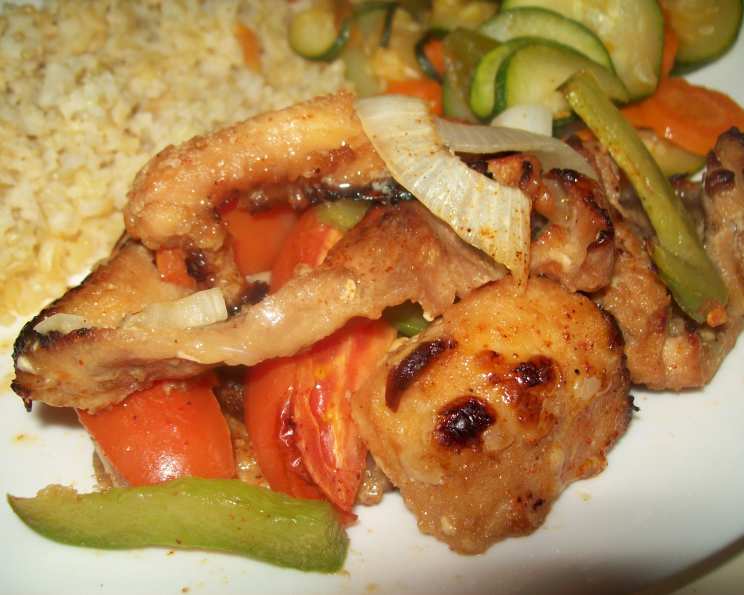
Ragin’ Cajun Gator Tail: A Taste of the Bayou
There’s something truly primal and exhilarating about cooking with ingredients that whisper tales of wild lands. For me, alligator tail has always evoked the steamy, vibrant spirit of the Louisiana bayou, a place where culinary traditions are as rich and complex as the ecosystem itself. I recall one sweltering summer afternoon, tucked away in a tiny, family-run eatery just outside of Lafayette, when I first encountered this dish. The air was thick with the scent of fried goodness and exotic spices, and the plate that arrived – glistening, perfectly seasoned gator tail – was a revelation. It was tender, surprisingly delicate, and packed with a bold, unapologetic flavor that was undeniably Cajun. It wasn’t just food; it was an experience, a delicious immersion into a culture that celebrates bold flavors and unique ingredients.
Recipe Overview
- Prep Time: 6 to 24 hours (for marinating)
- Cook Time: 2 to 3 minutes
- Total Time: 6 to 24 hours 3 minutes
- Servings: 4
- Yield: 4 servings
- Dietary Type: Pescatarian (if served as is), adaptable
Ingredients
- 1 lb alligator tail steaks
- 1 medium onion, finely diced
- 6 cherry tomatoes, finely diced
- 1 green pepper, finely diced
- 8 whole mushrooms, sliced
- 1 cup orange juice
- ½ cup teriyaki sauce
- Cajun seasoning, to taste
Equipment Needed
- Small pan or skillet
- Basting brush or spoon
- Broiler
Instructions
This recipe is an exercise in bold flavors and quick, intense cooking, perfect for those who appreciate a little adventure in their meal. The magic lies in the marinade and the final high-heat sear, which locks in moisture and infuses the gator tail with incredible taste.
-
Marinate the Alligator: Begin by preparing the marinade. In a non-reactive bowl or a large zip-top bag, combine the 1 cup of orange juice and the ½ cup of teriyaki sauce. Add the 1 lb of alligator tail steaks to the marinade, ensuring each piece is well-coated. Seal the bag or cover the bowl and refrigerate for 6 to 24 hours. The longer the marination time, the more deeply the flavors will penetrate the meat. This step is crucial for tenderizing the gator tail and imparting a subtle sweetness from the orange juice that balances the savory teriyaki.
-
Prepare the Vegetables: While the alligator is marinating, prepare your aromatics. Finely dice the medium onion, finely dice the cherry tomatoes, and finely dice the green pepper. Slice the 8 whole mushrooms. Having these prepped and ready will make the cooking process seamless.
-
Combine Ingredients for Cooking: Once the marination period is complete, remove the alligator tail steaks from the marinade. Reserve the marinade; it will be used for basting. In a small pan or skillet, combine the marinated alligator tail steaks, the diced onion, diced tomatoes, diced green pepper, and sliced mushrooms.
-
Baste and Cook: Pour some of the reserved marinade over the ingredients in the pan. This will add another layer of flavor and keep the ingredients moist during the brief cooking process.
-
Broil the Gator Tail: Preheat your broiler to high. Carefully place the pan with the alligator and vegetables under the broiler.
-
Broil and Turn: Broil for a total of 2 to 3 minutes. It is crucial to watch the gator tail very closely during this stage, as it cooks very quickly. Turn the pieces once about halfway through the broiling time to ensure even cooking and searing on all sides. The high heat of the broiler will create a beautiful char and caramelization on the gator tail.
-
Season and Serve: Once the alligator tail steaks have achieved a nice sear and are cooked through (they should be opaque and firm to the touch, but still moist inside), remove the pan from the broiler. Generously sprinkle the cooked alligator tail with Cajun seasoning to your liking. The Cajun seasoning will add that signature spicy, smoky, and savory kick that makes this dish so distinctive. Serve immediately.
Expert Tips & Tricks
The beauty of this Ragin’ Cajun Gator Tail recipe lies in its simplicity, but a few professional touches can elevate it further.
- Choosing Your Gator: Look for fresh or previously frozen alligator tail steaks. The tail is the most prized cut for its tender texture and mild flavor. If you can’t find pre-cut steaks, you can purchase a whole tail and cut it into medallions yourself, about 1-inch thick.
- Marinade Mastery: While 6 to 24 hours is the recommended marination time, don’t be afraid to go longer if you have the time. Some chefs marinate gator for up to 48 hours for maximum tenderness and flavor absorption. Ensure the alligator is fully submerged in the marinade.
- Broiler Savvy: Every broiler is different. Get to know yours. Some are hotter than others, and the distance of the pan from the heating element makes a significant difference. Start with the recommended time and adjust as needed. The goal is a quick sear, not to cook the gator through from raw under the broiler alone; it should be cooked through from the initial marination and resting before broiling.
- Cajun Seasoning: Quality matters here. A good Cajun seasoning blend will have a balanced mix of paprika, cayenne pepper, garlic powder, onion powder, black pepper, and oregano. You can also make your own blend for a personalized touch.
- Doneness Test: Gator tail is lean and can become tough if overcooked. It’s done when it’s opaque and firm, but still yields slightly to gentle pressure. The interior should be white, not pink.
- Vegetable Prep: For an even more intense flavor, you can lightly sauté the diced vegetables before adding them to the pan with the gator for broiling. This will soften them and release their natural sweetness.
Serving & Storage Suggestions
This Ragin’ Cajun Gator Tail is best enjoyed immediately after broiling, when it’s hot and perfectly seared. It’s a versatile dish that can be served in several ways:
- As an Appetizer: Serve the broiled gator tail pieces on their own, perhaps with a drizzle of extra reserved marinade or a dollop of remoulade sauce.
- As a Main Course: Pair it with classic Southern sides such as dirty rice, jambalaya, cornbread, or a crisp green salad.
- In a Po’boy: For a truly authentic Louisiana experience, chop the broiled gator tail and serve it in a toasted French roll with shredded lettuce, tomato, and remoulade sauce.
Storage: Leftovers can be stored in an airtight container in the refrigerator for 2 to 3 days. Reheat gently in a skillet over medium-low heat or in a warm oven to avoid drying out the meat. Freezing is not generally recommended for cooked alligator tail, as it can affect the texture.
Nutritional Information
This nutritional breakdown is an estimation and can vary based on specific ingredients and preparation methods.
| Nutrient | Amount per Serving | % Daily Value |
|---|---|---|
| Calories | 88.2 kcal | N/A |
| Calories from Fat | 4 g | N/A |
| Total Fat | 0.4 g | 0 % |
| Saturated Fat | 0.1 g | 0 % |
| Cholesterol | 0 mg | 0 % |
| Sodium | 1385.3 mg | 57 % |
| Total Carbohydrate | 18.5 g | 6 % |
| Dietary Fiber | 1.7 g | 6 % |
| Sugars | 13.1 g | 52 % |
| Protein | 4.4 g | 8 % |
(Note: The Daily Value percentage is based on a 2,000 calorie diet. Individual needs may be higher or lower.)
Variations & Substitutions
While this recipe focuses on the classic Ragin’ Cajun Gator Tail, there are several ways to adapt it:
- Protein Swap: If alligator tail is unavailable, other lean, firm white fish like catfish, snapper, or even chicken breast can be used. Adjust marination and cooking times accordingly.
- Vegetable Additions: Feel free to add other finely diced vegetables to the mix, such as red bell pepper, celery, or even a touch of jalapeño for extra heat.
- Spicy Kick: For those who love it really hot, add a pinch of cayenne pepper or a few dashes of your favorite hot sauce to the marinade.
- Citrus Twist: If you don’t have orange juice, pineapple juice or grapefruit juice can offer a similar sweet and tart counterpoint to the savory elements.
FAQs
Q: Is alligator tail meat tough?
A: When prepared correctly, particularly with proper marination and quick, high-heat cooking, alligator tail is surprisingly tender and succulent.
Q: Can I grill this instead of broiling?
A: Absolutely! Grilling at a high heat will also yield excellent results, giving the gator tail a delicious smoky flavor. Ensure your grill grates are well-oiled to prevent sticking.
Q: What’s the best way to ensure the gator tail isn’t dry?
A: Don’t overcook it! Alligator is very lean, so watch it closely under the broiler or on the grill. The marinade also helps to keep it moist.
Q: Is this dish spicy?
A: The level of spiciness depends on the Cajun seasoning you use and whether you add any extra chili peppers. The base recipe provides a balanced flavor with a hint of spice.
Q: Where can I buy alligator tail?
A: Alligator meat is becoming more widely available. Look for it at specialty butchers, online meat suppliers, or in some well-stocked grocery stores, especially in regions with a strong Southern culinary influence.
Final Thoughts
This Ragin’ Cajun Gator Tail recipe is a delightful journey into the heart of Louisiana’s vibrant culinary landscape. It’s a dish that’s both impressive and surprisingly easy to make, perfect for an adventurous dinner or a unique appetizer. The tender, flavorful meat, kissed by the heat of the broiler and the bold zest of Cajun spices, is sure to leave a lasting impression. So, gather your ingredients, embrace the spirit of the bayou, and prepare to be delighted by this taste of the wild. I encourage you to try it, perhaps with a side of crusty French bread to sop up any flavorful juices, and a crisp, cold lager to complement the bold flavors. Let me know your thoughts – the kitchen is always a place for discovery!