
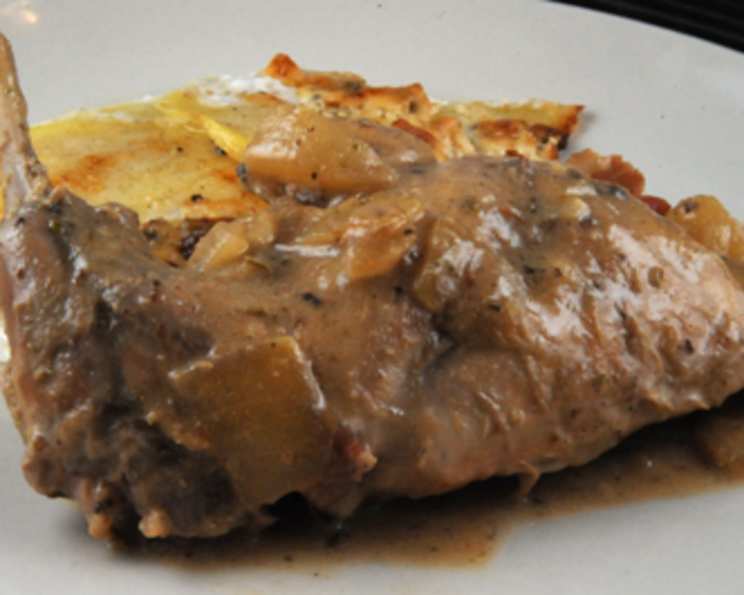
A Taste of Burgundy: My Journey with Rabbit in Mustard Sauce
There’s a certain magic that happens when you delve into the heart of a region through its food. For me, Burgundy conjures images of rolling vineyards, ancient abbeys, and, of course, rich, soulful cuisine. My “Travel by Stove” adventure brought me to this culinary mecca, and week 41 was dedicated to uncovering the secrets of its iconic dishes. It was during this exploration that I stumbled upon Rabbit in Mustard Sauce, a dish that whispered tales of rustic farmhouses and celebratory Sunday dinners. The first time I tasted a perfectly braised rabbit, meltingly tender and enveloped in a tangy, complex mustard sauce, it felt like a culinary embrace, a true connection to the spirit of Burgundy.
Recipe Overview
- Prep Time: 3-4 hours (for marinating) + 10 minutes
- Cook Time: Approximately 1 hour
- Total Time: 4 hours 10 minutes
- Servings: 4-6
- Yield: Rabbit with Sauce
- Dietary Type: Contains Meat
Ingredients
Here are the essential components for crafting this classic Burgundian delight:
- Rabbit: 4 slices
- Bacon: 1/2 cup, cut into 1-inch pieces
- Dijon Mustard: 1/2 cup
- Peanut Oil: 3 tablespoons
- Onion: 1 large, chopped
- Fresh Thyme: 1 1/2 teaspoons, chopped
- Fresh Rosemary: 1 teaspoon, chopped
- Bay Leaf: 1
- Dry White Wine: 1 cup
- Half-and-Half: 1/4 cup
- Salt and Pepper: To taste
- Butter: 1 tablespoon, softened (mixed with 1 tablespoon flour, if needed for thickening)
Equipment Needed
- Large Skillet or Dutch Oven with a Lid
- Tongs
- Paper Towels
- Measuring Cups and Spoons
- Cutting Board
- Knife
- Whisk (if thickening the sauce)
Instructions
Embark on this culinary journey with me, step by step, to bring the authentic flavors of Burgundy to your table.
-
Prepare the Rabbit: Begin by preparing your rabbit. Cut it into six manageable pieces. In a bowl, generously rub all sides of the rabbit pieces with Dijon mustard. Once coated, cover the bowl and place it in the refrigerator to marinate for a minimum of three to four hours. This crucial step allows the mustard to tenderize the meat and infuse it with its characteristic flavor.
-
Render the Bacon: In a large skillet or Dutch oven, fry the bacon pieces over medium heat. Cook until the bacon is lightly browned and has released its fat. Using a slotted spoon, remove the bacon from the skillet and drain it on paper towels. This crispy bacon will add a delightful textural contrast and savory depth later.
-
Sear the Rabbit: Pour off all but about a tablespoon of the rendered bacon fat from the skillet. Add the peanut oil to the skillet. Increase the heat slightly if needed, then add the marinated rabbit pieces to the hot oil. Sear the rabbit for approximately 10 minutes, turning the pieces once, until they are beautifully browned on all sides.
-
Build the Flavor Base: To the skillet with the browned rabbit, add the fried bacon, the chopped onion, the fresh thyme, the chopped rosemary, and the bay leaf. Stir everything together to combine.
-
Deglaze and Simmer: Pour in the dry white wine, scraping the bottom of the skillet with a wooden spoon to release any browned bits – this is where a lot of flavor resides! Bring the mixture to a boil. Once boiling, reduce the heat to low, cover the skillet with a lid, and simmer gently for 45 to 50 minutes, or until the rabbit is wonderfully tender. The low and slow cooking will ensure succulence.
-
Enrich the Sauce: After the rabbit has simmered, stir in the half-and-half. Continue to cook for another five minutes, allowing the sauce to meld and slightly thicken.
-
Final Touches: Remove the bay leaf from the skillet and discard it.
-
Serve: Arrange the tender rabbit pieces on a serving plate. Leave the luscious sauce in the pot.
-
Thicken the Sauce (If Necessary): If your sauce seems a bit too thin for your liking, you can thicken it. In a small bowl, mix the softened butter with the flour until a smooth paste forms (this is called a beurre manié). Whisk this paste into the simmering sauce. Bring the sauce back to a boil and cook for one to two minutes, whisking constantly, until it reaches your desired thickness.
-
Present: Spoon the rich, flavorful sauce generously over the rabbit on the serving plate.
Expert Tips & Tricks
- Mustard Matters: While Dijon is traditional and highly recommended, feel free to experiment with other high-quality mustards like a grainy Dijon for added texture.
- Marination Magic: Don’t skimp on the marination time. The longer the rabbit sits in the mustard, the more tender and flavorful it will become. Overnight marination is also an excellent option for deeper flavor penetration.
- Rabbit Quality: Source your rabbit from a reputable butcher or farmer’s market. A good quality rabbit will make a significant difference in the final dish.
- Don’t Rush the Sear: Achieving a good sear on the rabbit is crucial for developing complex flavors. Ensure your skillet is hot enough before adding the rabbit.
- Scraping for Flavor: When adding the white wine, make sure to thoroughly scrape up any browned bits (fond) from the bottom of the pan. This concentrated flavor is essential to the sauce.
- Sauce Consistency: If you find the half-and-half alone doesn’t thicken the sauce enough for your preference, the butter-flour roux is a classic and effective way to achieve a velvety texture. Be sure to cook out the raw flour taste by simmering for a minute or two.
Serving & Storage Suggestions
Rabbit in Mustard Sauce is a wonderfully comforting dish that pairs beautifully with a variety of accompaniments.
- Serving: Serve this dish immediately while the rabbit is tender and the sauce is warm and rich. It’s traditionally served with a side of creamy mashed potatoes, buttery egg noodles, or crusty bread to soak up every last drop of the delicious sauce. A simple green salad with a light vinaigrette can offer a refreshing contrast.
- Storage: Leftovers can be stored in an airtight container in the refrigerator for up to 3 days. The flavors often meld and deepen overnight, making leftovers just as enjoyable.
- Reheating: To reheat, gently warm the rabbit and sauce in a saucepan over low heat, or in the microwave, stirring occasionally. Be careful not to overheat, as this can dry out the rabbit.
Nutritional Information
(Note: Nutritional information is an estimate and can vary based on specific ingredients and portion sizes.)
| Nutrient | Amount per Serving | % Daily Value |
|---|---|---|
| Calories | 237.6 kcal | |
| Calories from Fat | ||
| Total Fat | 16.8 g | 25% |
| Saturated Fat | 4.1 g | 20% |
| Cholesterol | 11 mg | 3% |
| Sodium | 430.7 mg | 17% |
| Total Carbohydrate | 9 g | 3% |
| Dietary Fiber | 1.8 g | 7% |
| Sugars | 2.5 g | 9% |
| Protein | 3.4 g | 6% |
Variations & Substitutions
While this recipe is a beloved classic, there’s always room for creativity in the kitchen!
- Mustard Variation: For a milder mustard flavor with a hint of sweetness, you could try using a mix of Dijon and a milder whole-grain mustard.
- Herb Garden: If fresh thyme and rosemary aren’t available, dried versions can be used, though be mindful of their potency. Use about one-third the amount of dried herbs compared to fresh.
- Wine Choice: While a dry white wine is traditional, a dry sherry could also offer an interesting depth of flavor to the sauce.
- Creaminess: For an even richer sauce, you could substitute the half-and-half with heavy cream, but be aware this will increase the fat content.
FAQs
Q: Can I use chicken instead of rabbit?
A: While rabbit is traditional and has a unique flavor, you could substitute chicken thighs if rabbit is unavailable. Adjust cooking times as chicken may cook faster.
Q: How do I know if the rabbit is cooked through?
A: The rabbit is cooked when it is fork-tender and the meat easily pulls away from the bone. Internal temperature should reach 165°F (74°C).
Q: Can I make this dish ahead of time?
A: Yes, the rabbit can be cooked ahead of time and gently reheated. The sauce can also be made in advance and then combined with the rabbit and gently warmed.
Q: What if I don’t have peanut oil?
A: A neutral-flavored oil like canola oil or grapeseed oil would be a suitable alternative.
Q: Is this dish spicy?
A: The spice level depends on the Dijon mustard used. Traditional Dijon has a pleasant tang and mild heat, but if you are sensitive to spice, opt for a milder variety.
Final Thoughts
This Rabbit in Mustard Sauce is more than just a recipe; it’s an invitation to experience the rustic charm and culinary heritage of Burgundy. It’s a dish that speaks of tradition, of slow cooking, and of the simple joy of sharing good food. I encourage you to embrace the process, savor the aromas as they fill your kitchen, and delight in the rich, comforting flavors that await. Serve it with pride, perhaps with a glass of regional Burgundy wine, and share this taste of France with those you love. I’d be thrilled to hear about your own culinary adventures with this dish!