
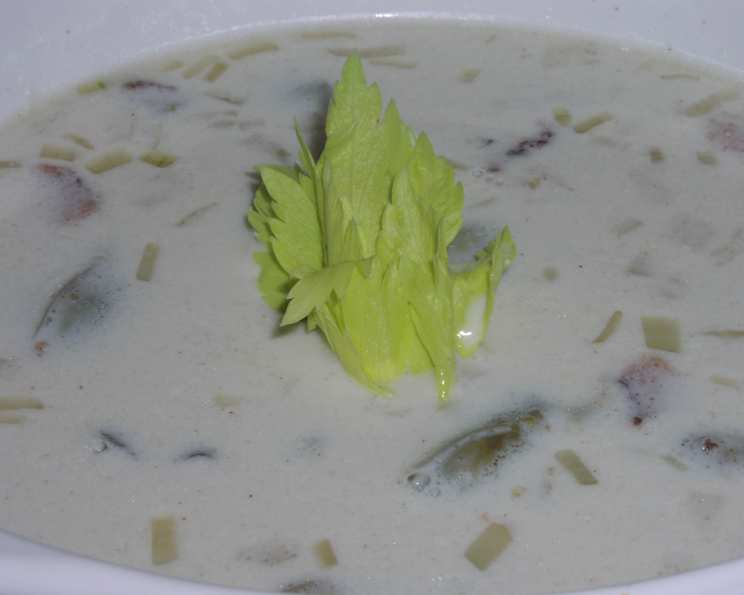
A Hug in a Bowl: Timeless Oyster Stew
The scent of the ocean, a whisper of brine and history, always brings me back to a small, weathered cottage on the Maine coast. It was a blustery autumn evening, the kind where the wind howled like a hungry wolf and the waves crashed with a primal rhythm against the rocky shore. Inside, a fire crackled merrily, casting dancing shadows on the walls, and a pot simmered on the stove, filling the cozy space with an aroma that was both comforting and invigorating. This was my introduction to oyster stew, a dish that felt like it had been passed down through generations, each spoonful a testament to simple ingredients transformed into something truly magical. It was more than just a meal; it was an embrace, a culinary anchor against the wildness of the outside world.
Recipe Overview
- Prep Time: 15 minutes
- Cook Time: 25 minutes
- Total Time: 40 minutes
- Servings: 4-6
- Yield: 1 pot of stew
- Dietary Type: Contains Dairy, Shellfish
The Heart of the Stew: Ingredients
To craft this classic oyster stew, we’ll gather a few simple, yet profoundly flavorful, ingredients. The beauty of this dish lies in its unfussy nature, allowing the star—the oysters—to shine.
- 2 (12-ounce) cans fresh oysters: Look for good quality oysters, packed in their own liquor. This liquor is liquid gold for this stew.
- 2 slices bacon, chopped: The smoky, salty foundation that adds an unparalleled depth.
- 1/3 cup chopped onion: A finely diced yellow or sweet onion will provide a gentle sweetness and aromatic base.
- 1 (10.25-ounce) can condensed cream of potato soup: This serves as a creamy binder and adds a subtle potato undertone that complements the oysters beautifully.
- 4 cups oyster liquid or 4 cups half-and-half cream: You can use the reserved oyster liquor from the cans, or opt for rich half-and-half cream for an even more decadent experience. For this recipe, we’re leaning into the tradition of using the oyster liquor for that authentic briny essence.
- 1 1/4 teaspoons salt: To enhance all the flavors.
- 1 dash white pepper: A gentle warmth without the visual distraction of black pepper specks.
- Chopped parsley (to garnish): For a final flourish of freshness and color.
Essential Tools
While this oyster stew is straightforward, having the right equipment will make the process smoother.
- A large, heavy-bottomed pot or Dutch oven
- A skillet for rendering bacon
- A slotted spoon or fine-mesh sieve
- A cutting board and sharp knife
- Measuring cups and spoons
The Art of Assembly: Instructions
Crafting this oyster stew is a dance of simple steps, each building upon the last to create a symphony of flavors. The goal is to coax out the best from each ingredient without overcooking, especially the delicate oysters.
-
Drain the Oysters and Reserve the Liquor: Begin by carefully draining the fresh oysters from their cans. As you drain them, make sure to reserve all the oyster liquid in a separate bowl. This briny liquid is crucial for the stew’s authentic flavor profile. If there isn’t quite enough liquor, or if you prefer a richer consistency, you can supplement with milk or half-and-half cream later.
-
Render the Bacon: Place the chopped bacon in your large pot or Dutch oven over medium heat. Cook, stirring occasionally, until the bacon is crisp. Once the bacon has reached your desired crispness, use a slotted spoon to remove the bacon from the pot and set it aside on a plate lined with paper towels to drain. Leave the rendered bacon fat in the pot.
-
Sauté the Onion: Add the chopped onion to the bacon fat remaining in the pot. Cook over medium heat, stirring occasionally, until the onion is tender and translucent. This usually takes about 5-7 minutes. Be careful not to brown the onions too much; we’re looking for a gentle softening to release their sweetness.
-
Build the Broth: Now, it’s time to introduce the creamy elements. Add the condensed cream of potato soup to the pot with the softened onions. Then, stir in the reserved oyster liquid (or your chosen liquid, as noted in the ingredients). Continue to stir until the soup is well incorporated and the mixture is smooth.
-
Season and Heat: Add the salt and the dash of white pepper to the pot. Heat the mixture over medium heat, stirring occasionally. Bring it to a gentle simmer, but avoid a rolling boil, as this can affect the texture of the soup.
-
Introduce the Stars: Once the broth is heated through and simmering gently, add the crispy bacon back into the pot. Then, gently add the drained oysters to the stew.
-
The Final Simmer: Cook for an additional 3 to 5 minutes, or just until the edges of the oysters begin to curl. This is the crucial moment to watch for; overcooking will make the oysters tough. The stew should be heated through, and the oysters perfectly tender.
-
Garnish and Serve: Ladle the hot oyster stew into bowls. Sprinkle generously with chopped parsley just before serving for a touch of freshness and visual appeal.
Chef’s Notes: Elevating Your Oyster Stew
A dish as classic as oyster stew often benefits from thoughtful touches. Here are a few insights gleaned from years at the pass:
- Quality of Oysters Matters: The flavor of your stew will directly reflect the quality of the oysters you use. If possible, seek out freshly shucked oysters from a reputable fishmonger, as they will have a more vibrant flavor than canned varieties. However, good quality canned oysters, especially those packed in their own liquor, are perfectly acceptable and widely available.
- Don’t Rush the Bacon: Crisping the bacon properly and reserving that flavorful fat is a non-negotiable step. The rendered fat is the aromatic foundation upon which the rest of the stew is built.
- Gentle Heat is Key: When it comes to the oysters, think of them as delicate jewels. They cook very quickly. Adding them at the very end and cooking only until their edges curl ensures they remain plump and tender, not rubbery.
- Texture of the Soup: If you find the condensed soup leaves too strong a potato flavor for your liking, you can use a cream of celery soup or even a cream of mushroom soup as an alternative, though cream of potato is the traditional choice and offers a wonderfully comforting flavor.
- Making Ahead: Oyster stew is best enjoyed fresh, as the oysters can toughen if left to sit in the hot liquid for too long. However, you can prepare the base (steps 1-5) up to the point of adding the oysters and bacon a few hours in advance. Store it covered in the refrigerator. Reheat the base gently, then add the oysters and bacon for the final few minutes of cooking just before serving.
Serving and Storage Suggestions
Oyster stew is a comforting main course, perfect for a chilly evening. It pairs beautifully with crusty bread for soaking up every last drop of the rich broth.
- Serving: Serve immediately after preparation, ladled generously into warm bowls. A sprinkle of fresh parsley adds a welcome pop of color and herbaceousness. For a heartier meal, serve with crackers or a side of oyster crackers.
- Storage: This stew is at its absolute best when consumed immediately. Leftovers can be stored in an airtight container in the refrigerator for 1 to 2 days. However, be aware that the oysters may become tougher upon reheating.
Nutritional Snapshot (Estimated per Serving)
| Nutrient | Amount per Serving | % Daily Value |
|---|---|---|
| Calories | 238.2 kcal | |
| Calories from Fat | ||
| Total Fat | 10.4 g | 15 % |
| Saturated Fat | 3.3 g | 16 % |
| Cholesterol | 96.3 mg | 32 % |
| Sodium | 1581.2 mg | 65 % |
| Total Carbohydrate | 16.5 g | 5 % |
| Dietary Fiber | 0.5 g | 1 % |
| Sugars | 1.8 g | 7 % |
| Protein | 18.5 g | 37 % |
Note: Nutritional values are estimates and can vary based on specific ingredients and preparation methods.
Variations and Substitutions
While the classic oyster stew is undeniably delightful, feel free to explore these variations to suit your palate:
- Creamier Texture: For an even richer stew, replace the oyster liquid with full-fat half-and-half or even heavy cream.
- A Touch of Spice: A pinch of cayenne pepper or a few dashes of your favorite hot sauce can add a welcome kick.
- Vegetarian Twist (Oyster-Free): While this deviates significantly from the original, for a dairy-based vegetable stew, you could omit the oysters and bacon. Sauté the onion in butter or olive oil, use vegetable broth, and incorporate a cream of potato soup or cream of mushroom soup as the base, perhaps adding other tender vegetables like leeks or celery.
Frequently Asked Questions
Q: Can I use fresh, shucked oysters instead of canned?
A: Absolutely! If you have access to fresh oysters, they can be wonderful. You’ll need about 1 to 1.5 pounds of fresh, shucked oysters. Reserve their liquor, and add them towards the end of cooking, just as you would with canned oysters.
Q: What if I don’t have condensed cream of potato soup?
A: You can substitute with condensed cream of celery or cream of mushroom soup. Some cooks also use a roux made from butter and flour, combined with milk or cream, to create the creamy base, but the condensed soup offers a convenient and classic shortcut.
Q: How do I prevent the oysters from becoming tough?
A: The key is to add the oysters only during the last few minutes of cooking. They are very delicate and cook rapidly. Cook them just until their edges begin to curl, which indicates they are heated through and tender.
Q: Can I freeze oyster stew?
A: It’s generally not recommended to freeze oyster stew. The texture of the oysters and the creamy base can change significantly upon thawing, often becoming watery or grainy. It’s best enjoyed fresh.
Q: Is oyster stew a main course or an appetizer?
A: Oyster stew is typically served as a hearty main course, especially when accompanied by bread or crackers. However, smaller portions can certainly be served as an elegant appetizer.
A Taste of Tradition
There’s a profound satisfaction in preparing and sharing a dish that carries a legacy. This oyster stew, with its roots in simple, honest ingredients, offers that in spades. It’s a dish that speaks of comfort, warmth, and the enduring appeal of well-executed classics. I encourage you to gather your ingredients, embrace the ease of the process, and savor every spoonful. Whether you’re a seasoned seafood lover or trying oyster stew for the first time, I hope this recipe brings a touch of coastal magic to your table. Serve it with a crisp white wine, or a hearty pint of ale, and let the flavors transport you. Enjoy!