
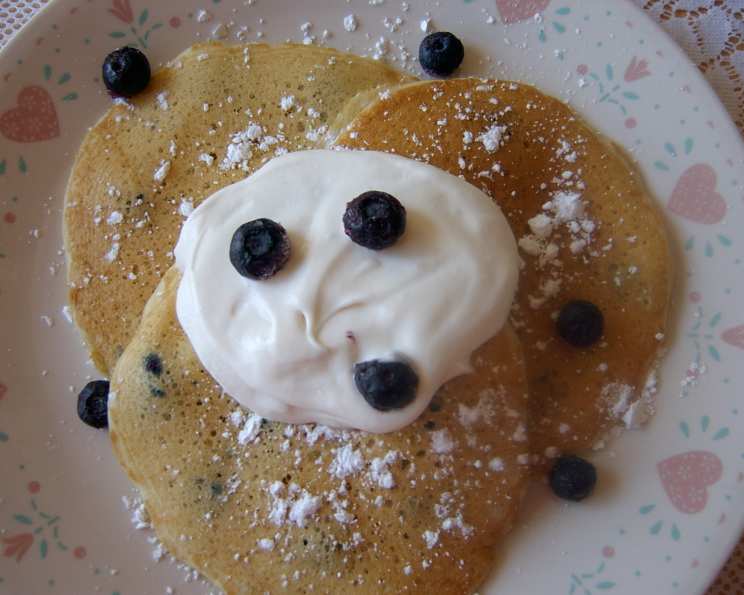
Overnite Sourdough Pancakes: A Camping Companion and Breakfast Revelation
There are recipes I guard like family heirlooms, secrets whispered down through generations. And then there are those that emerge from a happy accident, a moment of pure pantry magic that’s too good not to share. This recipe for Overnite Sourdough Pancakes falls firmly into the latter category. I’ve been making these for years, often tucked away in the quiet hum of a busy kitchen or, more memorably, conjured up on a crisp morning at our campsite. The beauty of this approach is its forgiving nature; it takes my sourdough starter on a little holiday, allowing it to work its magic overnight without demanding constant attention. It’s the perfect alchemy for anyone who loves the tang of sourdough but needs a simpler, faster path to fluffy, golden pancakes, especially when away from home.
Recipe Overview
- Prep Time: 10 minutes (plus overnight resting)
- Cook Time: 15-20 minutes
- Total Time: 24 hours 20 minutes (approximate)
- Servings: 8-10
- Yield: 1 batch
- Dietary Type: Conventional
Ingredients
This recipe cleverly divides into two parts: the starter preparation the night before, and the final assembly the next morning.
For the Starter (Prepare the Night Before):
- 3 cups all-purpose flour
- 4 teaspoons active dry yeast
- 3 cups water
For the Pancakes (The Next Morning):
- 2 eggs
- 1 ½ teaspoons baking soda
- 1 ½ teaspoons salt
- 2 tablespoons granulated sugar
- 3 tablespoons vegetable oil (or other neutral cooking oil)
Equipment Needed
- Large mixing bowl (for the starter)
- Airtight container or plastic wrap (to cover the starter)
- Another large mixing bowl (for the batter)
- Whisk
- Measuring cups and spoons
- Griddle or large non-stick frying pan
- Spatula
Instructions
The beauty of these Overnite Sourdough Pancakes lies in their simplicity and the minimal fuss involved. The overnight resting period is where the real magic happens, transforming basic ingredients into a light, tangy batter.
-
Prepare the Starter (The Night Before): In a large mixing bowl, combine the 3 cups of all-purpose flour, 4 teaspoons of active dry yeast, and 3 cups of water. Stir until just combined. The mixture will be quite watery and lumpy at this stage, which is perfectly normal. Cover the bowl tightly with plastic wrap or transfer it to an airtight container. Let it sit at room temperature overnight, or for at least 12 hours. This allows the yeast to begin its work, developing that signature sourdough flavor and creating a bubbly, active starter.
-
Mix the Batter (The Next Morning): The next morning, you’ll notice that your starter mixture has likely become bubbly and might have risen slightly. To this, add the remaining ingredients: 2 eggs, 1 ½ teaspoons baking soda, 1 ½ teaspoons salt, 2 tablespoons granulated sugar, and 3 tablespoons oil.
-
Combine Thoroughly: Whisk all the ingredients together until the batter is smooth and well combined. A few small lumps are acceptable, but aim for a relatively uniform consistency. The batter should be pourable but not watery.
-
Heat Your Griddle: Preheat your griddle or large non-stick frying pan over medium heat. You can test if it’s ready by flicking a few drops of water onto the surface; they should sizzle and evaporate quickly.
-
Cook the Pancakes: Pour about ¼ cup of batter onto the preheated griddle for each pancake. Cook for approximately 2-3 minutes per side, or until golden brown and cooked through. You’ll know it’s time to flip when you see bubbles forming on the surface of the pancake and the edges begin to look set.
-
Flip and Finish: Carefully flip the pancakes with a spatula and cook the other side for another 1-2 minutes until golden brown and cooked through.
-
Serve Immediately: Remove the cooked pancakes from the griddle and serve them hot.
Expert Tips & Tricks
- Starter Consistency: If your starter seems a little too thick or too thin the next morning, don’t fret. For a slightly thicker batter, let it rest a little longer; for a thinner batter, you can add a tablespoon or two of water, a little at a time, until you reach your desired consistency.
- Griddle Temperature is Key: Maintaining a consistent medium heat is crucial for perfectly cooked pancakes. Too high, and they’ll burn on the outside while remaining raw inside. Too low, and they’ll be pale and potentially gummy. Adjust your heat as needed, especially if cooking a large batch.
- Don’t Overmix: Once you add the wet ingredients to the starter, mix just until combined. Overmixing can develop the gluten too much, leading to tougher pancakes.
- Camping Hack: The original inspiration for this recipe was camping, and it truly shines in that environment. Measure out your dry ingredients for the starter into a sealed bag the night before. Keep your starter in a bowl inside a cooler or even the car overnight. In the morning, simply add the wet ingredients from separate bags and whisk.
Serving & Storage Suggestions
These Overnite Sourdough Pancakes are best enjoyed fresh off the griddle. Their slightly tangy flavor pairs wonderfully with both sweet and savory accompaniments.
- Classic Toppings: Serve with your favorite toppings such as real butter, a dusting of powdered sugar, dollops of whipped cream, and a generous handful of fresh blueberries.
- Blueberry Surprise: For an extra burst of flavor, gently fold fresh blueberries into the batter just before cooking, or add a few blueberries to each pancake as it begins to set on the griddle.
- Leftovers: If you happen to have any leftover pancakes, store them in an airtight container in the refrigerator for up to 2-3 days.
- Reheating: To reheat, place them in a toaster oven or a lightly oiled skillet over medium-low heat until warmed through. You can also microwave them, but they may lose some of their crispness.
Nutritional Information
Here’s an approximate nutritional breakdown for a serving of these pancakes. Please note that these values are estimates and can vary based on exact ingredients and portion sizes.
| Nutrient | Amount per Serving | % Daily Value |
|---|---|---|
| Calories | 265 kcal | 13% |
| Total Fat | 7.2 g | 9% |
| Saturated Fat | 1.2 g | 6% |
| Cholesterol | 46.5 mg | 16% |
| Sodium | 696.5 mg | 30% |
| Total Carbohydrate | 41.5 g | 15% |
| Dietary Fiber | 2.9 g | 10% |
| Sugars | 3.3 g | 7% |
| Protein | 8.8 g | 18% |
Variations & Substitutions
While this recipe is fantastic as is, here are a few ideas to switch things up:
- Whole Wheat Kick: For a heartier pancake, substitute half of the all-purpose flour with whole wheat flour in the starter.
- Spiced Delight: Add a teaspoon of cinnamon and a pinch of nutmeg to the batter the next morning for a warm, spiced flavor.
- Citrus Zest: Incorporate the zest of one lemon or orange into the batter for a bright, refreshing twist.
- Dairy-Free Option: While the recipe doesn’t call for dairy, if you prefer to use non-dairy milk for thinning the batter (though water is traditional here), a plant-based milk like almond or soy milk would work.
FAQs
Q: Can I use instant yeast instead of active dry yeast?
A: While you can use instant yeast, active dry yeast is recommended for developing the best sourdough flavor in this overnight starter method. If you must use instant yeast, you might need to adjust the quantity slightly and reduce the resting time, but the results may differ.
Q: My starter didn’t bubble much overnight. Is it still usable?
A: It’s possible your yeast wasn’t as active, or the room temperature was cooler than ideal. As long as there are some signs of activity and the mixture hasn’t spoiled, it should still work. Add the next day’s ingredients and mix well. If it still seems sluggish, you might consider letting it rest a little longer.
Q: Can I make the starter and batter ahead of time and refrigerate it?
A: The starter must rest at room temperature overnight. However, you can prepare the batter the night before and refrigerate it. In the morning, let it sit at room temperature for about 30 minutes to take the chill off before cooking.
Q: Why are these called “overnight” sourdough pancakes if they only rest overnight?
A: The term “overnight” refers to the crucial resting period of the starter mixture, which develops the sourdough characteristics. The final batter mixing and cooking happen the following morning, but the “overnight” process is what defines this specific recipe.
Q: Are these pancakes very tangy like traditional sourdough bread?
A: These pancakes have a mild tang, a pleasant counterpoint to their sweetness. The overnight resting period allows for fermentation, but it’s not as pronounced as in a long-fermented sourdough bread. Purists might call it a “cheater’s” sourdough, but it delivers a delicious result that’s far more convenient.
Final Thoughts
There’s a unique satisfaction in waking up to a batter that’s already done the hard work for you. These Overnite Sourdough Pancakes are a testament to that, offering a delightful tang and a wonderfully fluffy texture with minimal morning effort. Whether you’re enjoying them on a leisurely weekend breakfast or conjuring them up under the stars on a camping trip, they’re sure to become a beloved part of your culinary repertoire. Give them a try, and I’d love to hear how you serve them – perhaps with a side of crispy bacon or a refreshing glass of freshly squeezed orange juice. Happy cooking!